Pregnant women are more susceptible to respiratory illnesses in polluted air due to weakened immunity, changes in respiratory anatomy and physiology, and increased oxygen demand. Even without immediate symptoms, prolonged exposure to polluted environments can cause silent damage to expectant mothers.
Fine dust and toxic chemicals can enter the body through the respiratory tract, leading to systemic inflammation, endocrine disorders, and placental issues. Other effects include an increased risk of preeclampsia, restricted fetal growth (intrauterine growth restriction), a higher chance of delivering low birth weight babies (under 2,5 kg), and the risk of birth defects related to the respiratory and nervous systems.
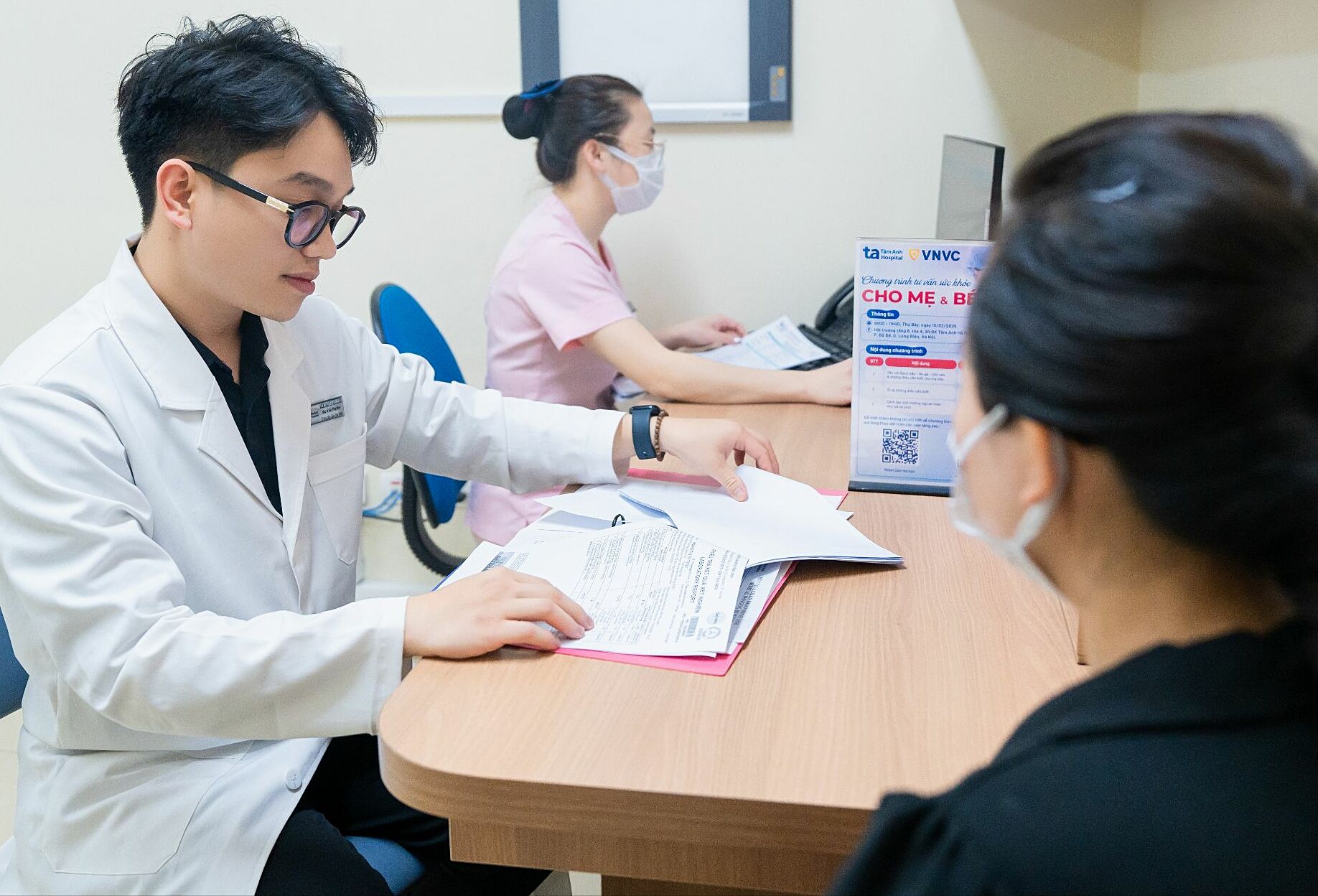 |
A doctor examining and counseling a pregnant woman. Illustration: Tam Anh General Hospital |
If you reside in a polluted area, monitor for unusual symptoms such as persistent fatigue, shortness of breath, dry cough, chest pain, frequent headaches, or dizziness. Consider these tips to protect both mother and baby:
Minimize exposure to polluted air
Keep windows and doors closed to prevent smoke and dust from entering your home during peak traffic hours or when air quality is poor (early morning, late afternoon). Pregnant women should avoid outdoor exercise on days with heavy air pollution.
Purify indoor air
Use an air purifier to remove fine dust particles. Introduce indoor plants such as snake plants, ferns, and aloe vera to naturally filter the air. Regularly clean curtains, carpets, and floors, where dust and allergens accumulate.
Boost immunity through nutrition
Increase your intake of antioxidant-rich foods like green vegetables, fresh fruits (oranges, blueberries, tomatoes, avocados), and nuts (walnuts, almonds). Supplement with vitamins C, E, iron, and omega-3 through food or as directed by your doctor. Drink plenty of water and avoid processed foods containing preservatives and additives.
Attend regular prenatal check-ups and monitor health closely
Pregnant women should attend all scheduled ultrasound and pregnancy tests. Report any unusual signs, such as abnormal blood pressure, fetal heart rate, or fetal movement, to your doctor immediately. Discuss potential health risks with your doctor if you live near industrial zones, major roads, or waste treatment plants.
Manage stress
Practice deep breathing, meditation, yoga, and relaxation techniques to reduce stress. This helps improve overall health during pregnancy and boosts the body's immunity.
Master, Doctor Phung Thi Thom
Respiratory Department
Tam Anh General Hospital Hanoi
| Readers can submit questions about obstetrics and gynecology here for doctors to answer. |