Helicobacter pylori (H. pylori) is a gram-negative, spiral-shaped bacterium. It can neutralize acid to survive in the mucus lining of the stomach. While H. pylori is a risk factor for gastric adenocarcinoma, not all infections lead to cancer.
Once in the stomach, H. pylori adheres to the epithelium, secretes toxins, and causes inflammation. This chronic inflammation damages DNA, disrupts cell regeneration, and leads to mucosal atrophy, dysplasia, and metaplasia. Unrepaired DNA mutations ultimately cause abnormal stomach cell proliferation, leading to cancer.
Since your H. pylori test was positive, your doctor will prescribe immediate treatment, even without stomach ulcers. This aims to reduce the risk of inflammation, bleeding, and related complications. You must strictly follow your doctor's treatment plan, not miss doses, and not stop medication prematurely, as this can lead to antibiotic resistance and stronger recurrence. After completing the regimen, you need a follow-up appointment for retesting H. pylori. If the bacteria are still present, your doctor will adjust the treatment to eliminate them completely.
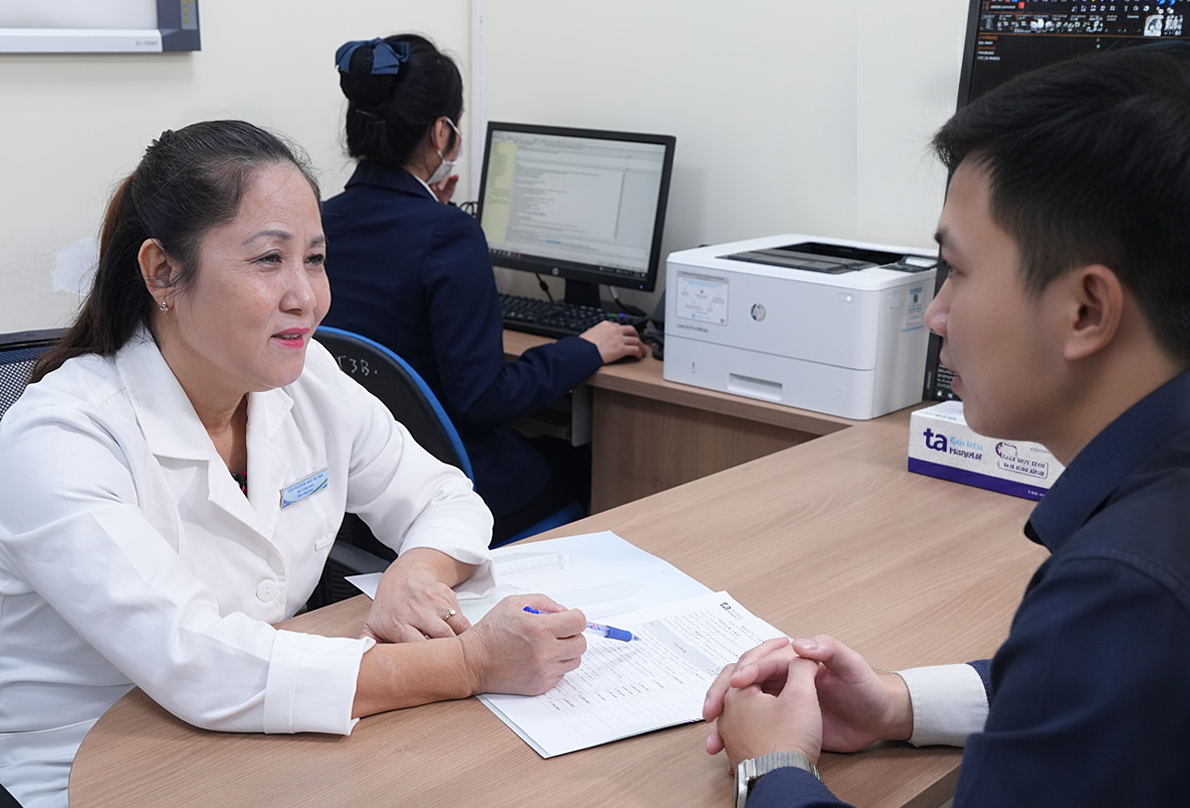 |
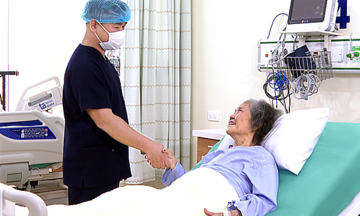
A doctor advises a stomach cancer patient. Photo: Tam Anh General Hospital |
Even after H. pylori eradication, patients should undergo regular stomach endoscopies every one to two years. They should also seek immediate medical attention if symptoms such as persistent epigastric pain (pain in the upper abdomen above the navel), bloating, indigestion, or weight loss occur.
To prevent H. pylori reinfection, you should eat cooked food, drink boiled water, avoid sharing eating utensils, wash hands frequently, and avoid kissing or sharing toothbrushes while infected.
Beyond H. pylori, many lifestyle factors can increase stomach cancer risk. These include smoking, alcohol consumption, and diets high in salt, pickled foods, and smoked meats. Maintain a healthy diet with regular meals rich in green vegetables and fresh fruits, which contain antioxidants and fiber that help protect the stomach lining. Prioritize fatty fish for their anti-inflammatory omega-3 fatty acids. Limit pickled, smoked, and charred foods, which often contain nitrites or nitrosamines that can elevate stomach cancer risk.
Avoid smoking, limit alcohol consumption, and reduce intake of spicy, hot, or overly sour foods to prevent stomach lining damage. Managing stress, getting enough sleep, and exercising daily boost immunity and lower stomach cancer risk.
Associate Professor Doctor Ngo Thi Tinh
Department of Oncology
Tam Anh General Hospital Hanoi
| Readers can submit questions about cancer here for doctors to answer. |