Stem cell storage at birth offers significant potential for future medical treatments. In medicine, two groups of stem cells are extensively researched and applied: hematopoietic stem cells and mesenchymal stem cells. Hematopoietic stem cells can be harvested from bone marrow, which is the blood-forming organ, or from cord blood and peripheral blood. Mesenchymal stem cells are obtained from adipose tissue, cord tissue, bone marrow, and the placenta. These cells possess anti-inflammatory and immune-modulating properties, and they support tissue regeneration, making them crucial in regenerative medicine.
Hematopoietic stem cells can replace the blood and immune systems in many serious diseases. Mesenchymal stem cells, particularly those from cord tissue, have the ability to support the regeneration and repair of damaged tissues due to illness and help regulate the immune system. Furthermore, mesenchymal stem cells from cord tissue can be used to treat family members—including siblings, parents, and grandparents—as well as non-relatives.
Stem cells derived from cord blood and tissue are advantageous because they are young, have accumulated fewer mutations from environmental factors, exhibit low immunogenicity, and retain excellent stem cell characteristics. Women giving birth who wish to store stem cells can choose to store cord blood cells, cord tissue cells, or both. Storing stem cells is considered a promising option for future therapeutic applications when needed.
Families with the means are encouraged to consider storing their child's stem cells at birth. This acts as a preventive measure, offering support for future treatment should the child or a family member unfortunately develop a serious illness that requires stem cell transplantation.
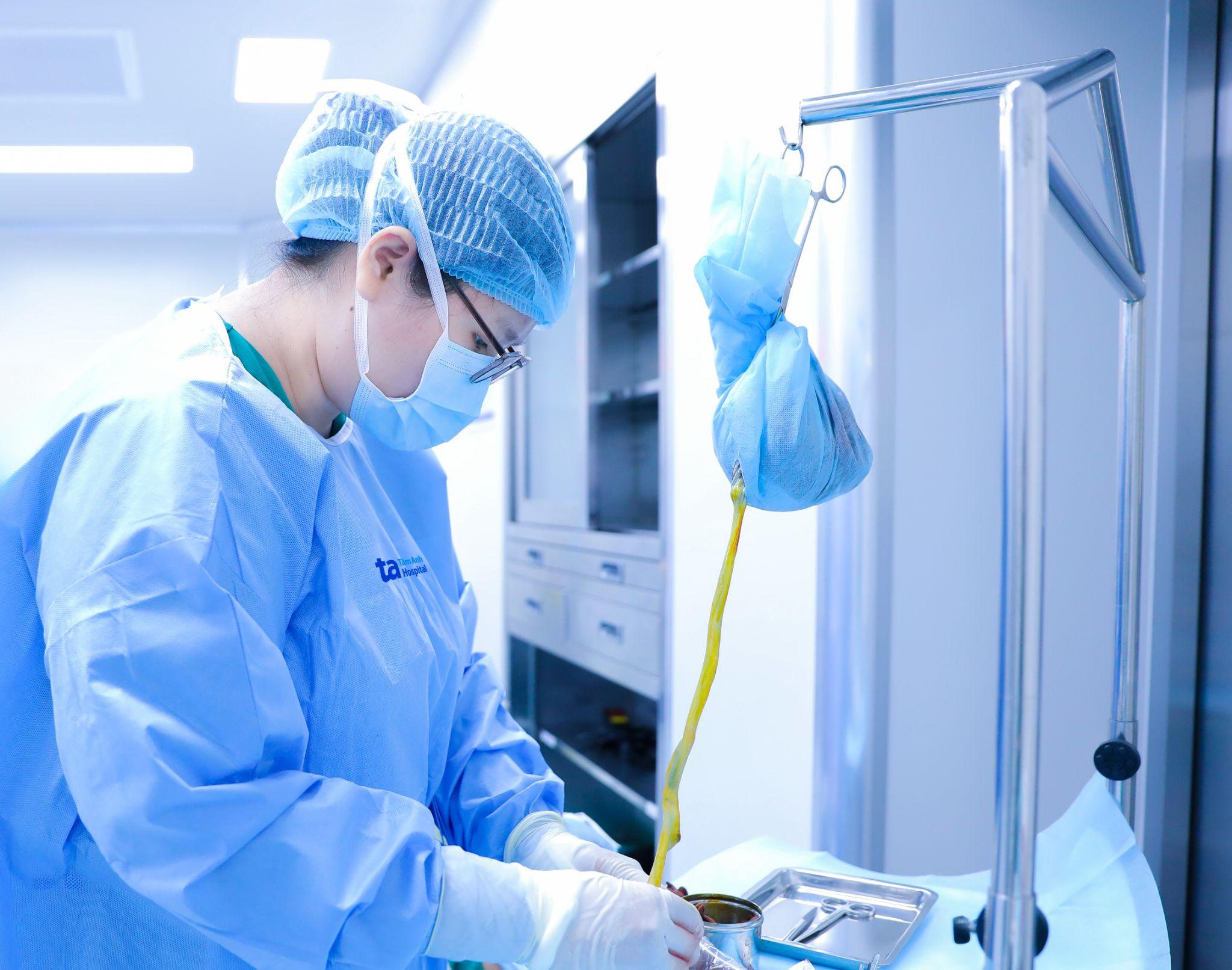 |
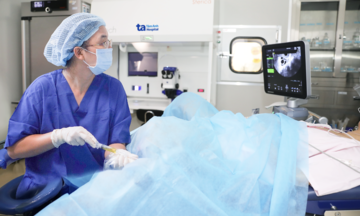
Staff at the Tissue Bank, Tam Anh General Hospital Ho Chi Minh City, collect cord tissue from a newborn for storage immediately after birth. Photo: Trung Vu |
Staff at the Tissue Bank, Tam Anh General Hospital Ho Chi Minh City, collect cord tissue from a newborn for storage immediately after birth. Photo: Trung Vu
Currently, hematopoietic stem cells are applied in treating numerous diseases affecting the hematopoietic and immune systems, such as leukemia, aplastic anemia, bone marrow failure, congenital immunodeficiency, Hodgkin's disease, and non-Hodgkin lymphoma. Global medical research is also expanding the application of mesenchymal stem cells in cardiovascular, neurological, and metabolic fields, including: heart failure, type 1 diabetes, Parkinson's disease, amyotrophic lateral sclerosis (ALS), and osteoarthritis.
Stem cell storage for a child is particularly meaningful for families with a history of genetic conditions or diseases known to be treatable by stem cell transplantation. Specifically, these include malignant and non-malignant blood diseases, bone marrow failure, immune disorders, or type 1 diabetes.
However, stem cell storage is not applicable in certain situations. These include pregnant women experiencing obstetric complications or those with infectious diseases that pose a risk of blood-borne transmission, such as hepatitis B virus, hepatitis C virus, rubella, syphilis, cytomegalovirus (CMV) infection, or HIV. Pregnant women diagnosed with cancer during pregnancy also require a thorough evaluation by a doctor to determine if they meet the storage criteria.
The child's stem cells must also meet sterility standards, achieve a minimum collected volume (for cord blood), and show no chromosomal abnormalities (for mesenchymal stem cells). Expectant parents and their families are advised to seek early consultation at reputable hospitals offering this service to receive comprehensive advice on indications and benefits.
In some cases, even if one or both parents have undergone cancer treatment, stem cell storage for the child may still be considered. However, families must discuss their specific situation with a specialist doctor for a thorough risk assessment.
Doctor Tham Thi Thu Nga
Head of Lab, Stem Cell Center
Tam Anh General Hospital System
| Readers can submit questions about obstetrics and gynecology here for a doctor's response |