Ortho-K, or orthokeratology, is a non-surgical myopia treatment. It uses rigid contact lenses, worn for about 8 hours at night, to temporarily reshape the cornea. This gentle pressure flattens the cornea, helping light focus precisely and resulting in clear vision during the day. This method is gaining popularity due to its convenience and reduced reliance on eyeglasses.
Doctor of First Degree Specialization Nguyen Duc Huy, from the High-Tech Ophthalmology department at Tam Anh General Clinic District 7, explains that Ortho-K does not cure myopia but provides temporary control. After removing the lenses in the morning, individuals can enjoy clear vision for 12-24 hours. Without continued wear, the cornea gradually reverts to its original shape, and myopia returns. A key advantage of Ortho-K over soft prescription contact lenses is its ability to provide clear vision even after removal, and it actively slows the progression of myopia.
Ortho-K is particularly beneficial for children and teenagers experiencing rapidly progressing myopia, defined as an increase of more than 0.75 diopters annually. This progression often occurs as the eyeball axis lengthens during growth. Doctor Huy notes that wearing Ortho-K lenses can slow this eyeball lengthening by approximately 50% compared to wearing conventional eyeglasses. The corneal flattening and steeper peripheral corneal region achieved with Ortho-K help light focus correctly. This process signals the retina, indicating that further eyeball lengthening is unnecessary, a fundamental difference from standard eyeglasses.
The lenses are suitable for individuals with mild to moderate myopia, specifically those with a refractive error from 0.75 to under 6 diopters, and astigmatism under 1.75 diopters. Within these parameters, Ortho-K effectively reshapes the cornea to significantly improve vision and manage myopia progression without overstressing the cornea. However, for those with severe myopia and astigmatism, Ortho-K is less effective. An unstable cornea in such cases can lead to distorted or blurry vision, dry eyes, irritation, or conjunctivitis.
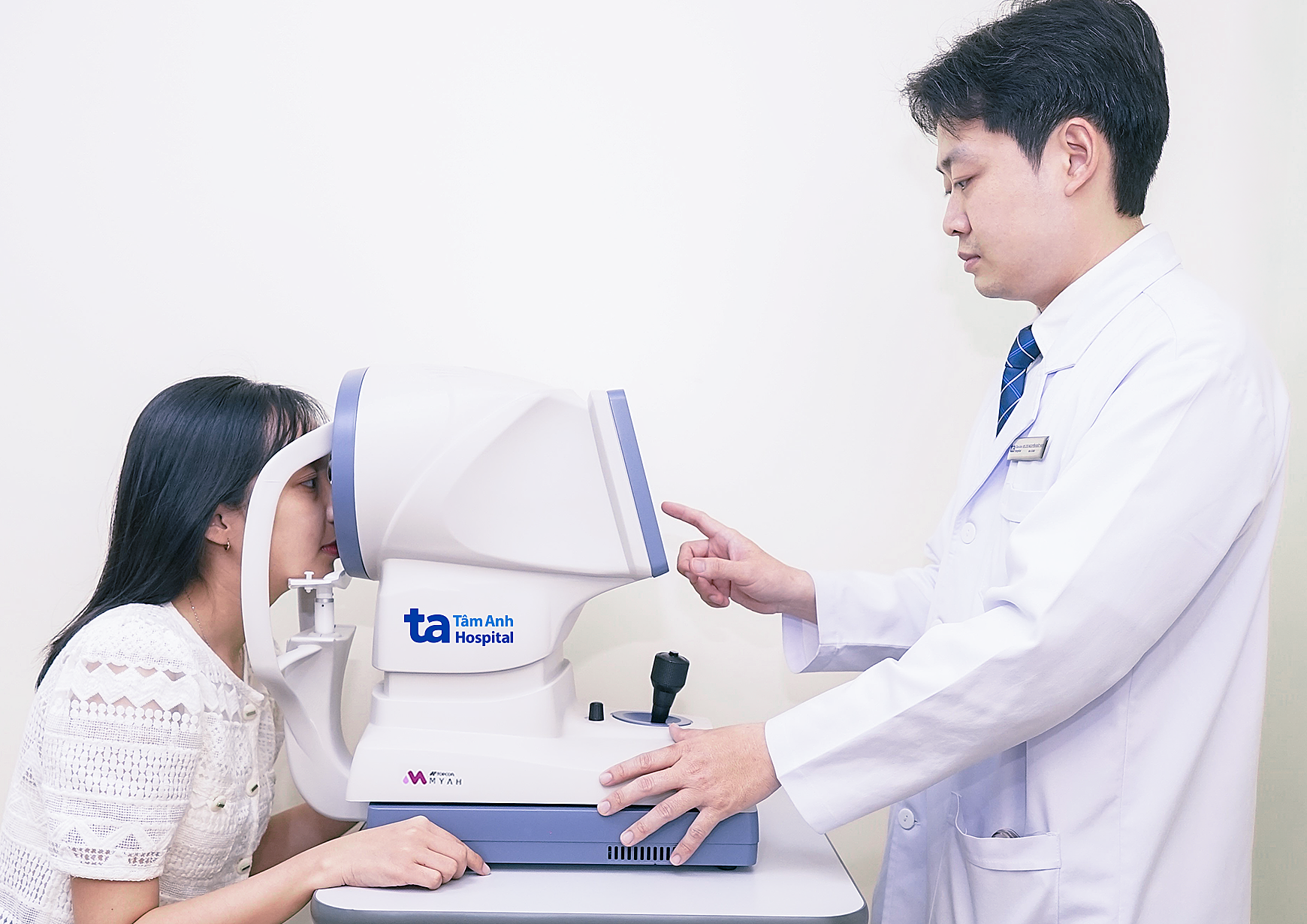 |
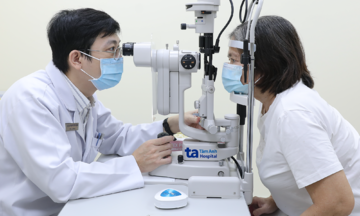
Doctor Huy examines a woman's eyes. *Illustration: Tam Anh General Hospital* |
Beyond children and teenagers, Ortho-K is also a viable option for adults who are not yet eligible for refractive surgery, such as those under 18 years old, or individuals who fear surgery, have thin corneas, or corneas that are not stable enough for surgical correction. Furthermore, it is ideal for people who regularly participate in sports, engage in vigorous activities, swim, or work in dusty environments like construction. Wearing Ortho-K at night eliminates the need for daytime glasses, removing concerns about eyeglasses falling or soft contact lenses shifting.
While Ortho-K offers many advantages, Doctor Huy stresses the importance of careful use. A comprehensive eye examination is crucial to determine the exact myopia, overall eye health, and ensure the lenses are appropriate. Before each use, hands must be washed with soap for disinfection. It is essential to use fresh soaking solution daily and to clean the lens case every day. Regular follow-up examinations every 3-6 months are also required to monitor corneal health and confirm the lenses remain suitable for the eye's condition.
Nhat Minh
| Readers can submit ophthalmology questions here for a doctor's response. |