Eng English
China 中国人

Eng English
China 中国人
  • News
  • World
  • Business
  • Entertainment
  • Sports
  • Law
  • Education
  • Health
  • Lifestyle
  • Travel
  • Science
  • Digital
  • Automobiles
  • Trở lại Thể thao
  • Health
Wednesday, 20/5/2026 | 10:01 GMT+7

Who should not get an intrauterine device?

Pregnant women, those with genital infections, abnormal uterine bleeding, or uterine abnormalities should avoid intrauterine device placement.

An intrauterine device (IUD) is a small, T-shaped device inserted into the uterus to prevent pregnancy. There are two common types: the copper IUD and the hormonal IUD. According to Specialist Doctor Level I Nguyen Thi Kieu Phuong from the Obstetrics and Gynecology Unit at Tam Anh Cau Giay General Clinic, this method offers approximately 90% contraceptive effectiveness, lasting from a few years to 10 years depending on the specific type.

A doctor advises a woman on contraception. Photo: Tam Anh Cau Giay General Clinic

While intrauterine device placement suits many women, doctors emphasize the importance of a thorough examination beforehand. This assessment helps rule out contraindications or identify cases requiring careful consideration.

Pregnant women or those with suspected pregnancy should not undergo intrauterine device placement, as this is an absolute contraindication. Prior to the procedure, doctors evaluate a woman's menstrual cycle, sexual history, signs of delayed menstruation, or may order a pregnancy test.

Women with active genital infections, pelvic inflammatory disease, or a high risk of sexually transmitted infections are not candidates for immediate intrauterine device insertion. Placing an IUD during an infection risks deeper bacterial spread, potentially leading to severe inflammation and impacting future fertility. Doctor Phuong advises that women who have experienced uterine lining inflammation after childbirth or abortion should postpone placement for at least three months.

Before considering an intrauterine device, women experiencing abnormal uterine bleeding of unknown origin must have the cause identified. Mid-cycle bleeding, prolonged heavy periods, or irregular bleeding may indicate polyps, uterine fibroids, hormonal imbalances, or malignant lesions. Inserting an IUD without a clear diagnosis could exacerbate symptoms and delay proper medical assessment.

Women diagnosed with cervical cancer, endometrial cancer, or other malignant reproductive tract diseases should not use an intrauterine device. The primary focus for these patients is treating their underlying condition, and doctors will recommend alternative, more appropriate contraceptive methods.

Intrauterine device placement is also contraindicated for women with uterine cavity abnormalities, including uterine malformations, fibroids that distort the uterine lining, or large polyps. These conditions increase the risk of device displacement, which reduces contraceptive effectiveness and raises the likelihood of abdominal pain, prolonged bleeding, and IUD expulsion.

Beyond these general contraindications, specific types of intrauterine devices have additional considerations. For copper IUDs, individuals with copper allergies, Wilson's disease, bleeding disorders, or heavy menstrual bleeding require particular caution. Hormonal IUDs are generally unsuitable for women with a history of breast cancer.

While not absolute contraindications, conditions such as a history of ectopic pregnancy, previous fallopian tube surgery, heart valve disease, pelvic organ prolapse, or anticipated difficulty with follow-up appointments necessitate careful doctor evaluation before intrauterine device placement. Additionally, women who have not given birth should seek specialist advice to select an IUD type appropriate for their uterine size and future reproductive plans.

Doctor Phuong emphasizes that an intrauterine device is an effective and convenient contraceptive method when prescribed for the appropriate individual at the correct time. Women should undergo a specialist examination at a hospital to determine the most suitable IUD type.

Van Anh

Readers can submit obstetrics and gynecology questions here for a doctor's response.
By VnExpress: https://vnexpress.net/ai-khong-nen-dat-vong-tranh-thai-5075921.html
Tags: intrauterine device obstetrics and gynecology

News in the same category

Premature baby boy suffers necrotizing enterocolitis

Premature baby boy suffers necrotizing enterocolitis

A premature baby boy, born at 35 weeks, developed hypoglycemia and necrotizing enterocolitis due to infection, and was stabilized by doctors after nearly one month of treatment.

What diseases can polysomnography detect?

What diseases can polysomnography detect?

I snore and have recently experienced fatigue and daytime sleepiness. My doctor recommended polysomnography. What conditions can this method diagnose, and is it safe? (Hoang Minh, TP HCM)

Boy severely burned after fire suspected to be arson by mother's partner

Boy severely burned after fire suspected to be arson by mother's partner

A four-year-old boy lost his mother and is in critical condition with over 90% of his body burned after a house fire in Ca Mau, suspected to be arson by his mother's partner.

6-year-old girl paralyzed by krait venom

6-year-old girl paralyzed by krait venom

A 6-year-old girl was hospitalized with full-body muscle paralysis and respiratory failure after a krait bite.

Where can all Ho Chi Minh City residents get free health check-ups?

Where can all Ho Chi Minh City residents get free health check-ups?

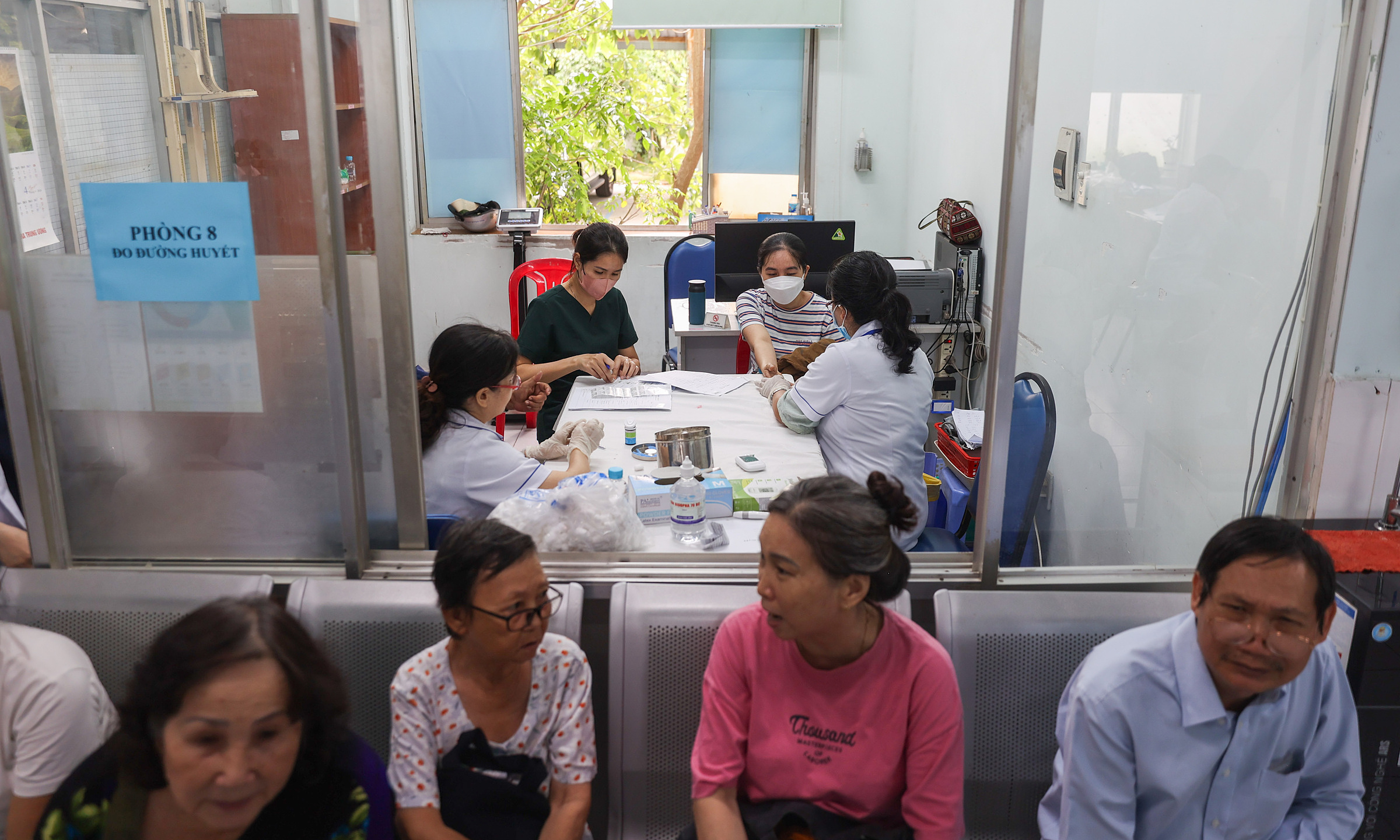
Soon, Ho Chi Minh City residents will be able to receive free health check-ups at their nearest local health stations or at public and private hospitals within the city, in specially designated areas.

Doctor shares how to distinguish real beef from chemical-laced fake meat

Doctor shares how to distinguish real beef from chemical-laced fake meat

To avoid buying fake beef, consumers can check by touch, observe its color and muscle fibers, test it with clean water, or rely on its distinct flavor when cooked.

Is pulmonary tuberculosis dangerous for the elderly?

Is pulmonary tuberculosis dangerous for the elderly?

My 72-year-old father recently experienced a persistent cough, weight loss, and was diagnosed with pulmonary tuberculosis. Is this condition more dangerous for older adults than for younger people? (Thanh Son, Bac Ninh)

Silent signs of high blood fat stealthily attack blood vessels

Silent signs of high blood fat stealthily attack blood vessels

Chest pain, shortness of breath, rapid fatigue during exertion, dizziness, or numb and cold limbs can be silent signs of high blood fat affecting blood vessels.

Three sisters share multiple obesity complications

Three sisters share multiple obesity complications

Nguyen, 52, and her two older sisters all suffer from varicose veins, diabetes, and high blood pressure, conditions doctors attribute to complications from obesity.

Jawbone-destroying bacteria attack sinuses

Jawbone-destroying bacteria attack sinuses

Ms. Vien, 75, experienced pain in her left cheek and nasal cavity, along with nasal congestion, due to jawbone-destroying bacteria creating a fistula to her sinuses, leading to recurrent inflammation.

Eng English
China 中国人
  • News
  • World
  • Business
  • Entertainment
  • Sports
  • Law
  • Education
  • Health
  • Lifestyle
  • Travel
  • Science
  • Digital
  • Automobiles
FPT Tower, 10 Pham Van Bach Street, Dich Vong Ward,
Cau Giay District, Hanoi, Vietnam
Email: contacts@vnportal.net
Tel: 028 7300 9999 - Ext 8556
Advertise with us: 090 293 9644
Register
© Copyright 2026 vnnow.net. All rights reserved.
Terms of use Privacy policy Cookies