Pulmonary tuberculosis (TB) is an infectious disease caused by the bacterium Mycobacterium tuberculosis. It primarily spreads through the respiratory tract when an infected person coughs, sneezes, or speaks. If not detected and treated promptly, the disease can cause severe damage to the lungs and other organs.
Pulmonary TB is often more dangerous in older adults due to age-related immune system decline. As the body ages, the immune system's ability to recognize and eliminate TB bacteria diminishes, particularly cellular immunity, which plays a critical role in controlling the disease. This makes older individuals more susceptible to the disease and increases the risk of reactivation of latent TB that may have been present for many years.
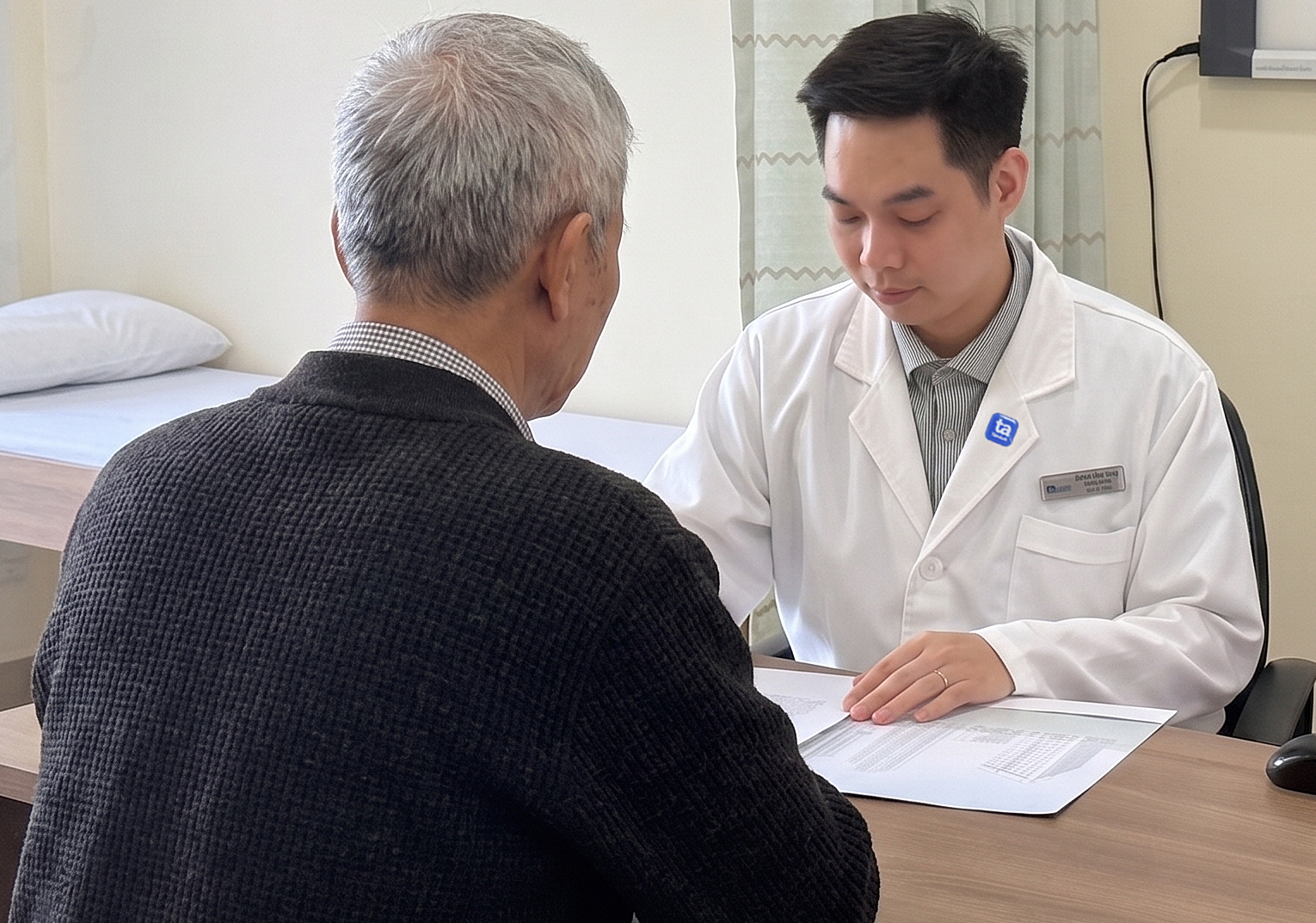 |
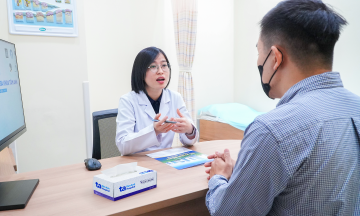
Doctor Dung examines a patient. Photo: Tam Anh General Hospital |
Beyond age, older adults often have underlying medical conditions such as diabetes, chronic obstructive pulmonary disease (COPD), bronchiectasis, kidney failure, cancer, or require prolonged use of corticosteroids and immunosuppressants. These conditions weaken the immune system, allowing TB bacteria to thrive and making treatment more challenging.
Malnutrition is also common among older adults. Nutritional deficiencies further compromise immune function, increasing the risk of new TB infections or the reactivation of latent TB. The aging process also alters respiratory structure and function, leading to reduced lung elasticity, decreased ability to cough and clear secretions, and a higher risk of lung infections.
Pulmonary TB in the elderly is also dangerous because its symptoms are often atypical and easily mistaken for other chronic respiratory diseases. Patients may experience only a mild, persistent cough, fatigue, loss of appetite, or gradual weight loss, leading to complacency. Some cases do not present with clear fever or night sweats as seen in younger individuals, resulting in delayed diagnosis.
Delayed diagnosis increases the risk of various complications, including respiratory failure, widespread lung damage, or severe wasting due to prolonged poor nutrition. In individuals with weakened immunity, TB bacteria can also spread beyond the lungs, causing conditions such as lymph node TB, meningeal TB, bone and joint TB, or miliary TB—a life-threatening disseminated form of the disease.
Nevertheless, pulmonary TB can be treated effectively if detected early and if the medication regimen is fully adhered to. Older adults require close monitoring during treatment, as they are prone to experiencing side effects from anti-TB drugs and rapid deterioration of their physical condition.
Older adults exhibiting symptoms such as a cough lasting over three weeks, productive cough, coughing up blood, shortness of breath, prolonged low-grade fever, night sweats, fatigue, or unexplained weight loss should seek medical attention promptly. Early detection and timely treatment improve recovery chances and reduce the risk of transmission to others.
Master of Science, Doctor Nguyen Thac Dung
Respiratory Unit
Tam Anh Cau Giay General Clinic
| Readers can submit respiratory questions here for doctors to answer |