A c-section scar defect is a depression that forms at the site of a previous c-section incision. All women who have undergone a c-section are at risk, with higher incidence in those with diabetes, who are overweight, or obese. This condition arises from impaired blood circulation to the uterine tissues, which slows scar healing. It can lead to scar adhesions, impacting uterine muscle function.
Additionally, accumulated old menstrual blood and fluid in the scar defect, along with fluid reflux into the uterus, can cause prolonged menstrual bleeding, inflammation, and reduce natural conception. During in vitro fertilization, fluid from the scar defect can also be toxic to embryos, lowering implantation rates or leading to various pregnancy complications.
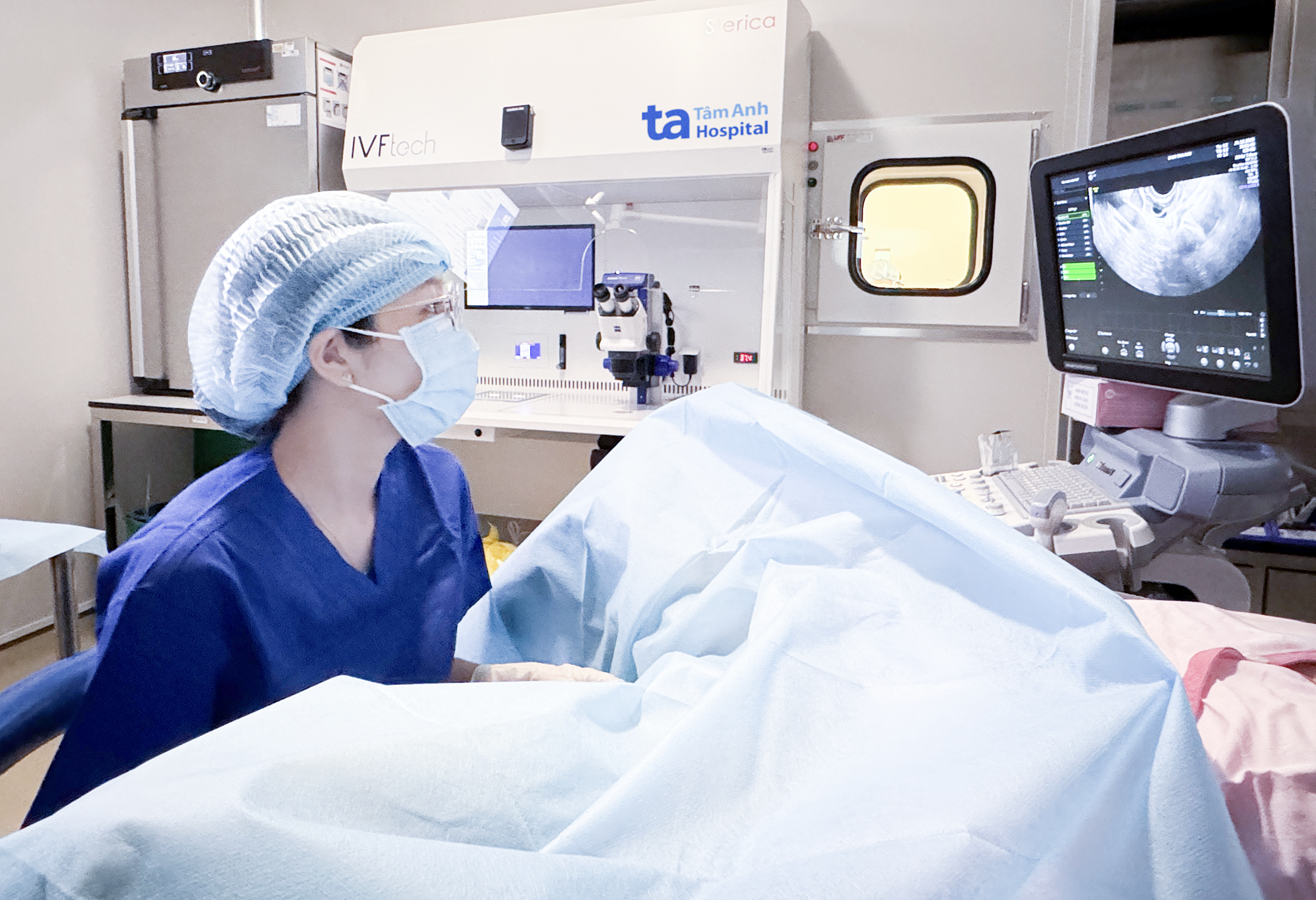 |
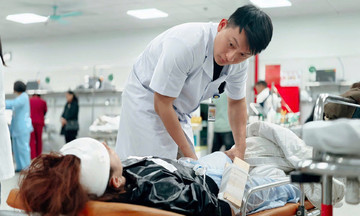
Dr. Nguyen Thi Thach Thao performs oocyte retrieval for couples experiencing infertility. *Photo: Hoai Thuong* |
You have been diagnosed with secondary infertility (infertility after a previous pregnancy) due to a c-section scar defect. An effective treatment for having children is in vitro fertilization (IVF), but the scar defect needs to be addressed first. Depending on the condition, doctors may drain fluid or perform surgery to create an optimal uterine environment, ready for embryo implantation.
You will undergo ovarian stimulation, oocyte retrieval, in vitro fertilization with your husband's sperm, and embryo culture to day 3 or day 5. Doctors will prepare your uterine lining to optimal conditions and perform embryo transfer to increase your chances of successful implantation.
Dr. Nguyen Thi Thach Thao
Center for Reproductive Support
Tam Anh General Hospital TP HCM
| Readers can send questions about infertility here for doctors to answer. |