Dr. Vo Thi Tuong Duy, from the Dermatology - Aesthetic Dermatology Unit at Tam Anh General Clinic District 7, notes a rise in dermatological conditions and external skin infections during seasonal transitions, characterized by erratic shifts between hot and cold or sunny and rainy weather. Among these, chickenpox and fungal infections are two prevalent diseases that can easily affect both children and adults if not adequately prevented.
According to doctor Duy, the body struggles to adapt to sudden environmental changes. Elevated humidity and prolonged sweating also keep the skin surface moist, creating an ideal environment for viruses and fungi to flourish.
Chickenpox, caused by the Varicella-zoster virus, spreads through respiratory routes or direct contact with fluid from an infected person's blisters. After an incubation period of about 10-21 days, patients may experience a mild fever and fatigue, followed by a red rash that quickly develops into characteristic skin blisters.
During this phase, the risk of spread is high in crowded living environments and enclosed spaces. Young children, unvaccinated individuals, or those with weakened immune systems are particularly vulnerable. If not properly managed, skin lesions can become superinfected, leading to scarring or severe complications.
 |
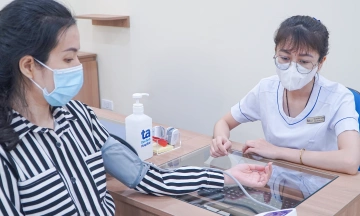
Doctor Duy advises a patient. Illustration: Tam Anh General Clinic District 7
Fungal infections, a group of diseases caused by fungi, often intensify with increased humidity. Vulnerable areas include those prone to sweating and poor ventilation, such as the groin, armpits, scalp, or between fingers and toes. Common symptoms include red, scaly patches with distinct borders, accompanied by itching, and can spread if not treated promptly.
Many individuals have a habit of self-medicating with topical corticosteroids when experiencing itching. While these creams may quickly alleviate symptoms, they can inadvertently cause the fungus to spread and become more challenging to control. This practice is a key reason why fungal infections can be persistent and prone to recurrence during humid seasons.
Lifestyle habits during seasonal transitions also contribute to an elevated risk of illness. Wearing damp clothes, not changing after sweating, or sharing personal items like towels and clothing all create conditions for fungi to spread. For chickenpox, inadequate isolation when a family member is infected significantly increases the risk of transmission.
To mitigate disease risk, doctor Duy advises everyone to maintain good personal hygiene, bathing and thoroughly drying the body daily, especially in skin folds. Clothes should be washed clean and completely dried before wearing. Individuals prone to sweating should opt for breathable, absorbent attire.
Vaccination is an effective measure for preventing chickenpox, reducing both the risk of illness and complications. Should symptoms such as fever or blisters emerge, patients should limit contact with others and seek medical attention for diagnosis and appropriate care instructions.
For fungal infections, proper medication and sufficient treatment duration are crucial. Avoid self-administering corticosteroid-containing products without a confirmed diagnosis. Adhering to the prescribed treatment regimen is essential for disease control and minimizing the risk of recurrence.
If abnormal signs such as rapidly spreading blisters, persistent itching, scaling, or a lack of response to treatment occur, patients should seek hospital care promptly for timely management and to prevent community spread.
Minh Huong
| Readers can submit questions about dermatological and aesthetic skin conditions here for doctor consultation. |