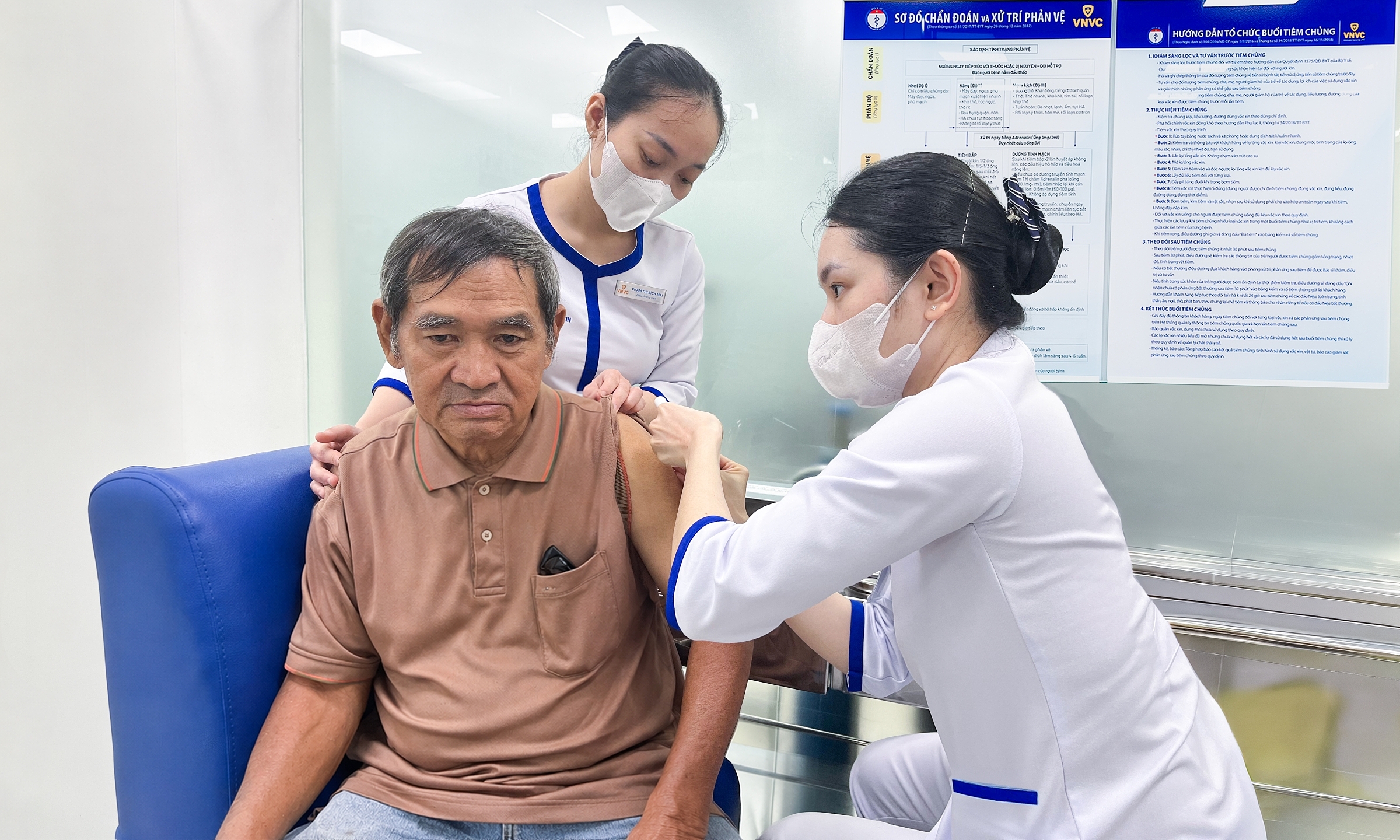
"Misconceptions delay prevention, increasing the risk of rabies infection," said Doctor Huynh Tran An Khuong, a medical specialist at the VNVC Vaccination System, on 23/4. This statement followed a warning from the Ho Chi Minh City Center for Disease Control (CDC) that rabies could surge during the peak of the hot season. So far this year, the city has recorded three rabies-related deaths, compared to five cases for the entirety of last year.
One common misconception, according to Doctor Khuong, is that victims only seek rabies vaccination for deep, bleeding wounds. In reality, the World Health Organization (WHO) states that the rabies virus, present in the saliva of infected animals, can transmit through bites, scratches, licks on open wounds, or by splashing onto mucous membranes of the eyes, nose, or mouth. Even minor injuries, such as shallow scratches that do not bleed, can serve as entry points for the virus.
 |
Unleashed dogs without muzzles increase the risk of injury and rabies virus transmission to many people. Photo: Pham Chieu
Doctor Khuong advises that individuals exposed to potential rabies should not assess the danger solely by whether the wound "feels severe." Instead, they should determine if there was contact with the animal's saliva through broken skin or the mucous membranes of the eyes, nose, or mouth. Many miss early preventive opportunities by believing they were "only lightly scratched" or "just licked over a minor abrasion, so it’s fine."
Another frequent misunderstanding involves observing the animal for several days after it bites before deciding to get a rabies vaccine, or thinking that only "strange, sick, or unusually behaving dogs are cause for concern." In fact, according to WHO and Ministry of Health guidelines, post-exposure prophylaxis is a medical emergency aimed at preventing rabies infection as early as possible. Even if the animal is a household pet or has been vaccinated, anyone scratched, bitten, or licked on an open wound by it should still visit a medical facility for wound care and appropriate vaccination. Complacency, such as thinking "my pet is clean," can cause exposed individuals to miss the critical window for disease prevention.
The correct steps for post-exposure rabies prevention include: thoroughly washing the wound with soap under running water for at least 15 minutes as soon as possible, disinfecting the wound, and immediately going to a medical facility. For heavily bleeding wounds, provide first aid to stop the bleeding with a clean gauze before seeking medical attention promptly. Delaying treatment to observe if the animal develops symptoms can cause the bitten person to lose the chance for early rabies prevention.
Anyone bitten or scratched by a dog, cat, or other warm-blooded mammal needs to complete the full rabies vaccine regimen as prescribed by a doctor. Do not arbitrarily skip doses or stop midway without a doctor's instruction.
The number of vaccine doses depends on the individual's history of rabies vaccination, the administration route, the wound's condition, the animal's status, and the injured person's health. For example, those not previously vaccinated against rabies require five intramuscular doses on days 0, 3, 7, 14, and 28, or eight intradermal doses on days 0, 3, 7, and 28. Depending on the wound's condition and the animal's status after ten days, the doctor may decide to stop vaccination or require the full course. For severe wounds, individuals may also need a tetanus vaccine.
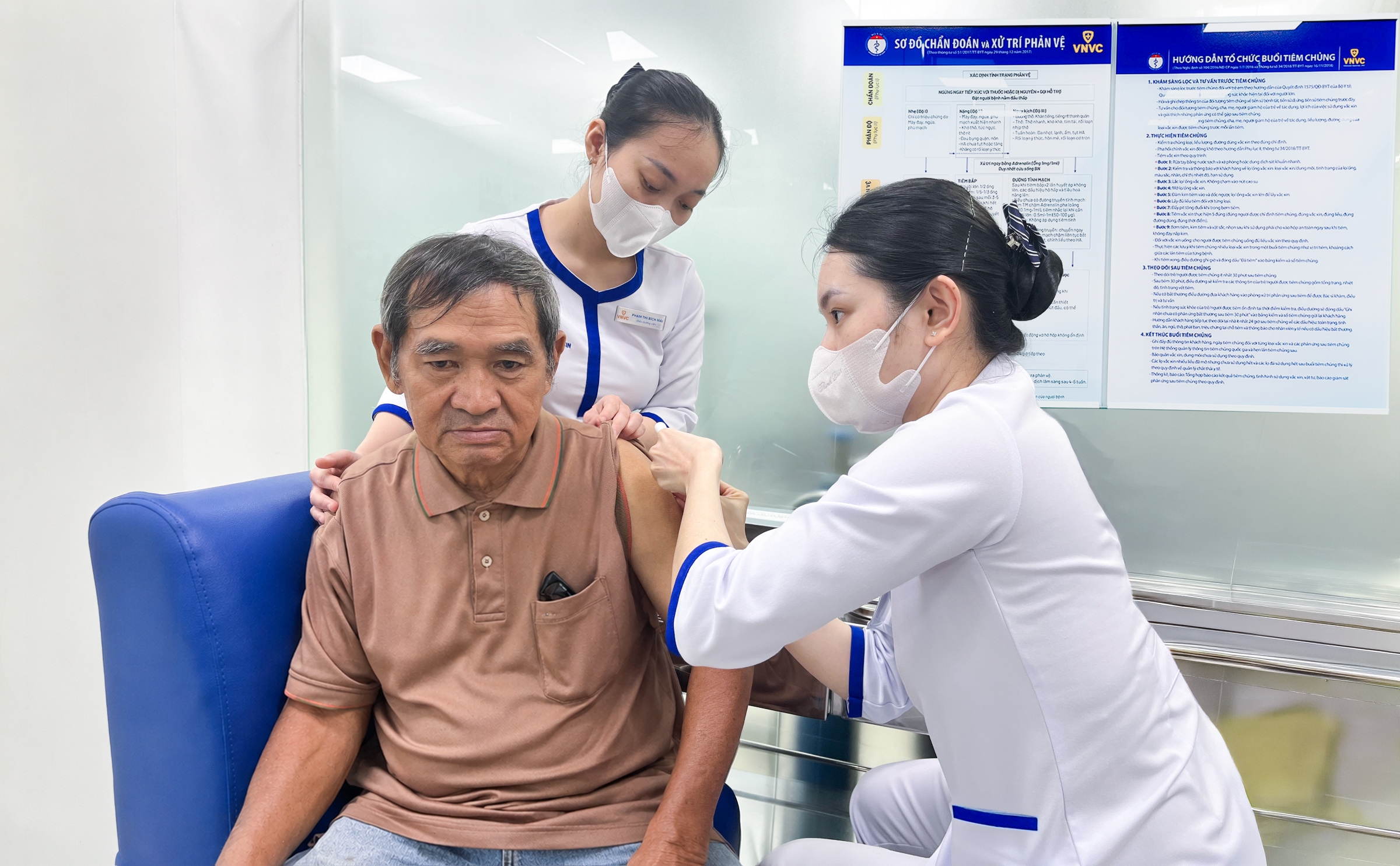 |
Adults receive rabies vaccinations for dog bites and cat scratches at the Vaccination System. Photo: Dieu Thuan
Rabies vaccination is not only for those already bitten by dogs or cats. The vaccine can also be used for pre-exposure prophylaxis, meaning before being bitten or scratched, for certain high-risk groups. These include people who regularly interact with dogs and cats, veterinarians, rabies laboratory staff, animal slaughterhouse workers, and individuals traveling to rabies-endemic areas or regions with limited access to medical services.
The hot season can make animals irritable and aggressive, increasing the risk of dog and cat attacks when they are unleashed or provoked. Doctor Khuong advises pet owners to manage their pets strictly, not to let them roam freely, to muzzle dogs when outdoors, and to fully vaccinate their dogs and cats. For the public, especially children, it is important not to hug, pull ears, step on tails, or approach dogs and cats when they are eating or have just given birth. If encountering a strange dog, do not run away or stare into its eyes; instead, stand still and slowly back away to avoid provoking the animal.
Binh Minh