Common spices such as garlic, onion, scallion, and chili add distinct flavors and contain valuable bioactive compounds. However, incorrect cutting or prolonged cooking at high temperatures can destroy most of these natural antioxidants.
According to nutritionist Chiu Shih-hsin, who is also a personal trainer at the Taipei Advanced Preventive Medicine Center in Taiwan, understanding the biochemical properties of each spice helps home cooks optimize the nutritional value of family meals, preserving beneficial micronutrients.
Many people habitually crush garlic and immediately add it to hot oil. This practice inadvertently disrupts the formation of allicin, a sulfur-containing organic compound with strong antibacterial and antioxidant properties.
In an intact garlic clove, allicin exists only as its precursor, alliin, alongside the enzyme alliinase. When garlic cells are crushed or minced, the enzyme catalyzes the conversion of alliin to allicin. Since alliinase is heat-sensitive, adding garlic directly to hot oil immediately deactivates the enzyme.
Home cooks should allow minced garlic to rest at room temperature for 10 to 15 minutes before cooking. This allows the reaction to fully occur. Additionally, garlic should only be lightly sauteed or added towards the end of the cooking process.
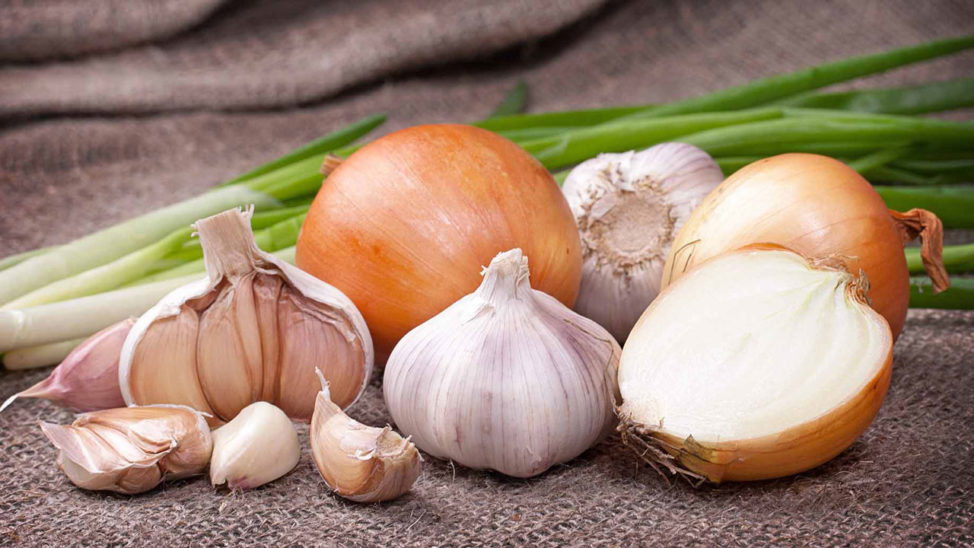 |
Illustrative photo: The Guardian Nigeria. |
Onions provide a large amount of quercetin, a flavonoid antioxidant that supports anti-inflammatory action and protects blood vessel walls. Quercetin is most concentrated in the dark outer layers, with levels 2 to 3 times higher than in the white inner flesh. This compound has low water solubility but is better absorbed in the presence of fat.
Therefore, during preparation, only peel off the papery dry outer skin, retaining the darker flesh underneath. Quickly stir-frying onions over medium heat with a small amount of vegetable oil, such as olive oil or canola oil, helps optimize quercetin absorption. Avoid overcooking until the onion becomes mushy and watery.
Scallions also activate after cutting, releasing bioactive sulfur compounds. However, these compounds easily degrade with prolonged exposure to high temperatures. After chopping scallions, allow them to rest for about 5 to 10 minutes.
When cooking, separate the firm white parts of the scallion to saute first. The soft green leaves should only be sprinkled into the pot just before turning off the heat or used raw to preserve their color and essential vitamins.
Chili peppers contain capsaicin, the compound responsible for their characteristic pungency. Capsaicin is known for its antioxidant properties and ability to stimulate blood circulation. It is fat-soluble and relatively heat-stable, but frying at excessively high temperatures until charred can alter the substance and produce harmful impurities. Chopping chili peppers and lightly sauteing them with a small amount of oil over medium heat will most effectively dissolve and release capsaicin.
Health experts also note that natural compounds like allicin, quercetin, or capsaicin only support overall health and reduce cellular damage from oxidative stress within a balanced diet. They cannot replace medical treatments.
Excessive consumption of spicy seasonings or raw garlic can irritate the stomach lining and cause acid reflux. Therefore, consumers should adjust the quantity to suit each family member's physical condition.
 |
Taiwanese nutritionist Chiu Shih-hsin. *Photo: Hero*. |
Binh Minh (Source: China Times)