In 2024, a study in Hanoi invited high-risk lung cancer patients aged 50 to 74 to undergo low-dose CT scans, with all costs covered. Approximately 64% of those eligible participated in the screening. Researchers noted that self-perception of health significantly influenced participation. After adjusting for various variables, the study found that individuals who rated their health as "normal" or "good" were significantly less likely to participate in screening compared to those who perceived their health as poorer. The authors identified this as a significant barrier to lung cancer screening in Vietnam. In reality, physical sensation and disease risk do not always manifest simultaneously.
Associate Professor, Doctor Nguyen Hai Anh, former Deputy Director of the Respiratory Center, Bach Mai Hospital, explained that the manifestation of a lesion depends on its size, location, growth rate, and the affected organ. When a lesion is small, not yet compressing surrounding tissues, or not significantly impacting organ function, patients may not experience pain, fatigue, or any disruption to their daily activities. In other words, the body may only begin to detect an abnormality long after it has already formed.
The case of a 48-year-old woman in Hanoi exemplifies this gap. She underwent a health check-up at the urging of a close friend, despite having no pain, no palpable lumps, and no recorded unusual changes in her breast tissue.
Her mammogram revealed a dense, irregular nodule approximately 7 mm in size in her left breast, classified as BI-RADS 4A. A subsequent ultrasound further identified a suspicious mass, classified as BI-RADS 4B. Based on these images, the doctor ordered a biopsy and histopathological examination, which confirmed stage IA breast cancer.
Master, Doctor Nguyen Tat Dat, Deputy Director of Nura Northern Diagnostic Imaging Center, who participated in evaluating this case, stated, "A lesion of about 7 mm is quite small, making it difficult for patients to detect through self-examination or sensation. Diagnostic imaging helps doctors visualize structural changes that external symptoms do not yet reflect."
The patient subsequently underwent breast-conserving surgery and continued specialized treatment as prescribed.
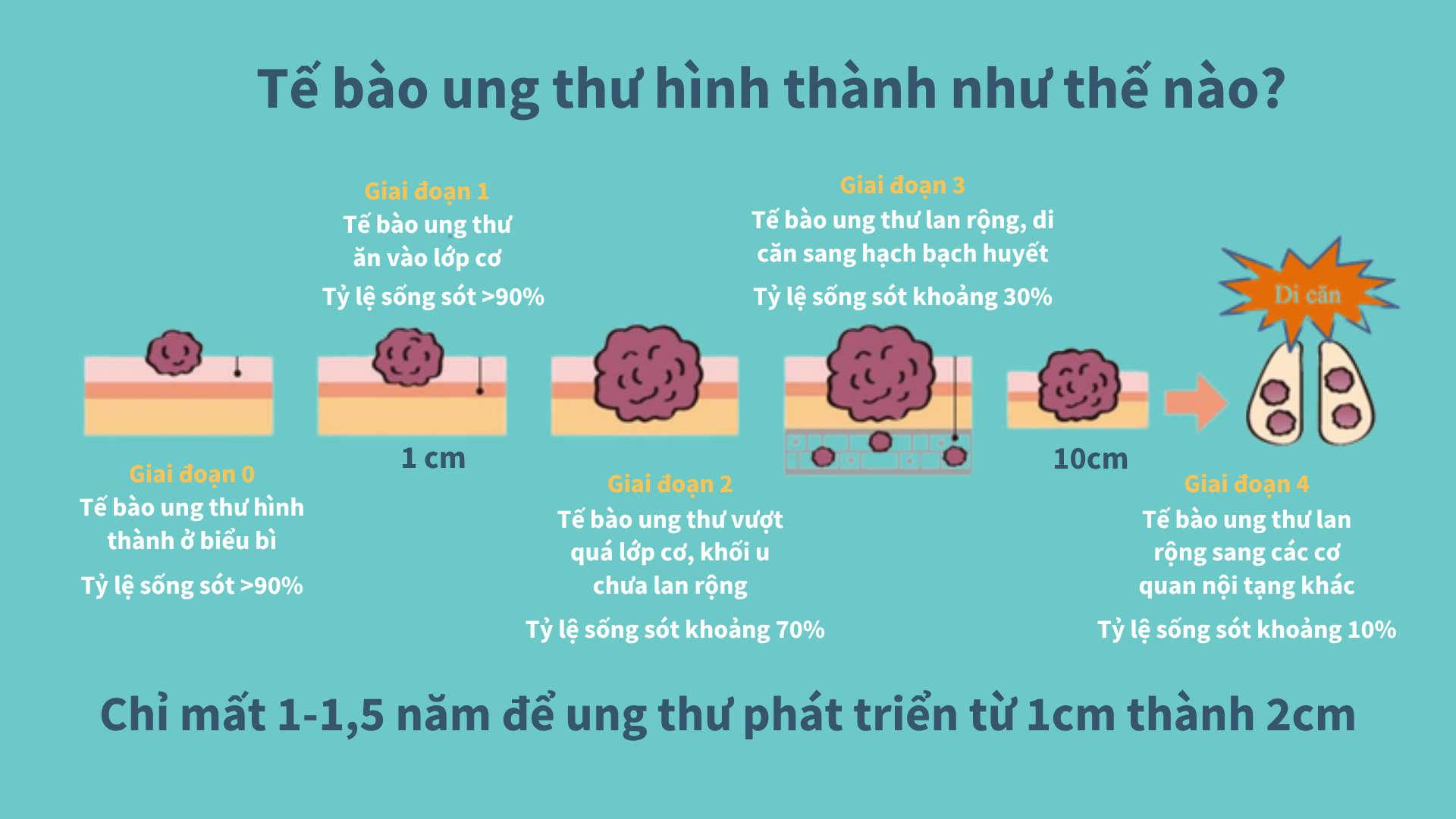 |
Graphics illustrating the formation and development of a cancer cell. Photo: Nura |
According to experts, the significance of early detection, even without symptoms, extends beyond the small size of the lesion. The stage of the disease is closely linked to treatment options and prognosis. For example, US SEER data from the 2016-2022 period recorded a five-year relative survival rate of 100% for women with localized breast cancer, compared to 33,8% when the disease had metastasized distantly. While these are population statistics and not used to predict the prognosis for individual patients, they highlight the significant difference between detection stages.
Master, Doctor Nguyen Tat Dat emphasized that the absence of symptoms does not equate to the absence of risk, but it also does not mean a healthy person needs a full body check-up.
The World Health Organization (WHO) also recommends that screening should target the correct demographic, based on age and risk factors. When abnormalities are detected, the individual undergoing examination should proceed with further steps, such as specialized diagnostic imaging, endoscopy, or biopsy, to confirm the diagnosis and initiate treatment if necessary.
Therefore, a screening process does not stop at performing numerous tests or generating a report. Its value lies in accurately identifying risks, selecting appropriate methods, interpreting results precisely enough, and having clear next steps when signs require clarification.
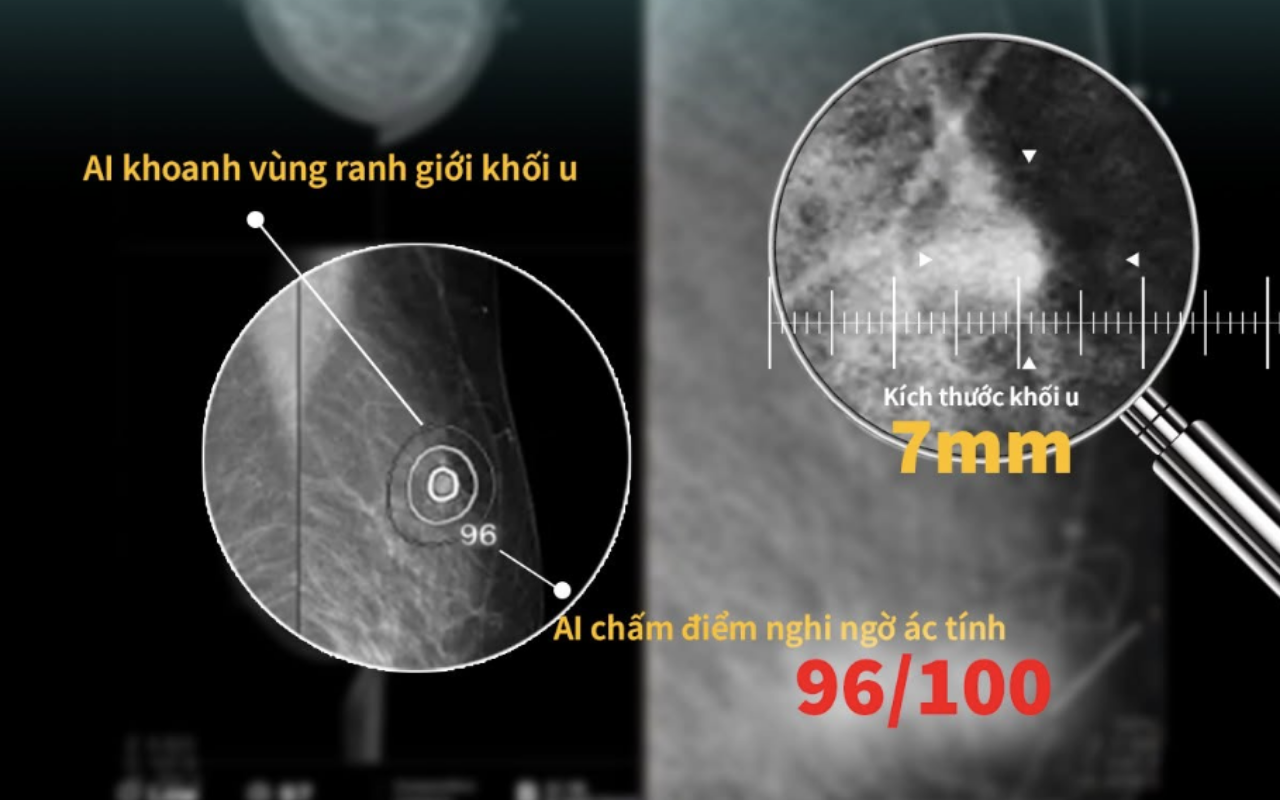 |
On the mammogram, the AI system assessed the malignancy suspicion level at 96/100. Photo: Nura |
This approach is also being integrated into healthcare policy in Vietnam. Directive 17/CT-TTg, issued on 6/5/2026, aims for citizens to receive free annual periodic health examinations or screenings from 2026, while gradually managing health throughout their lifespan via electronic health records. The directive underscores a shift from focusing on treatment to proactive disease prevention.
Several private screening models are also being developed to combine multiple layers of assessment. At Nura, proprietary Fujifilm AI assists doctors in analyzing images and various medical indicators. Since implementing this method from 1/7/2024 to mid-August 2026, the system has screened 42,084 clients, identified 71,633 health concerns, and detected nearly 200 early-stage cancer cases. Cases of suspicion receive consultation from doctors for further diagnosis or specialist referral.
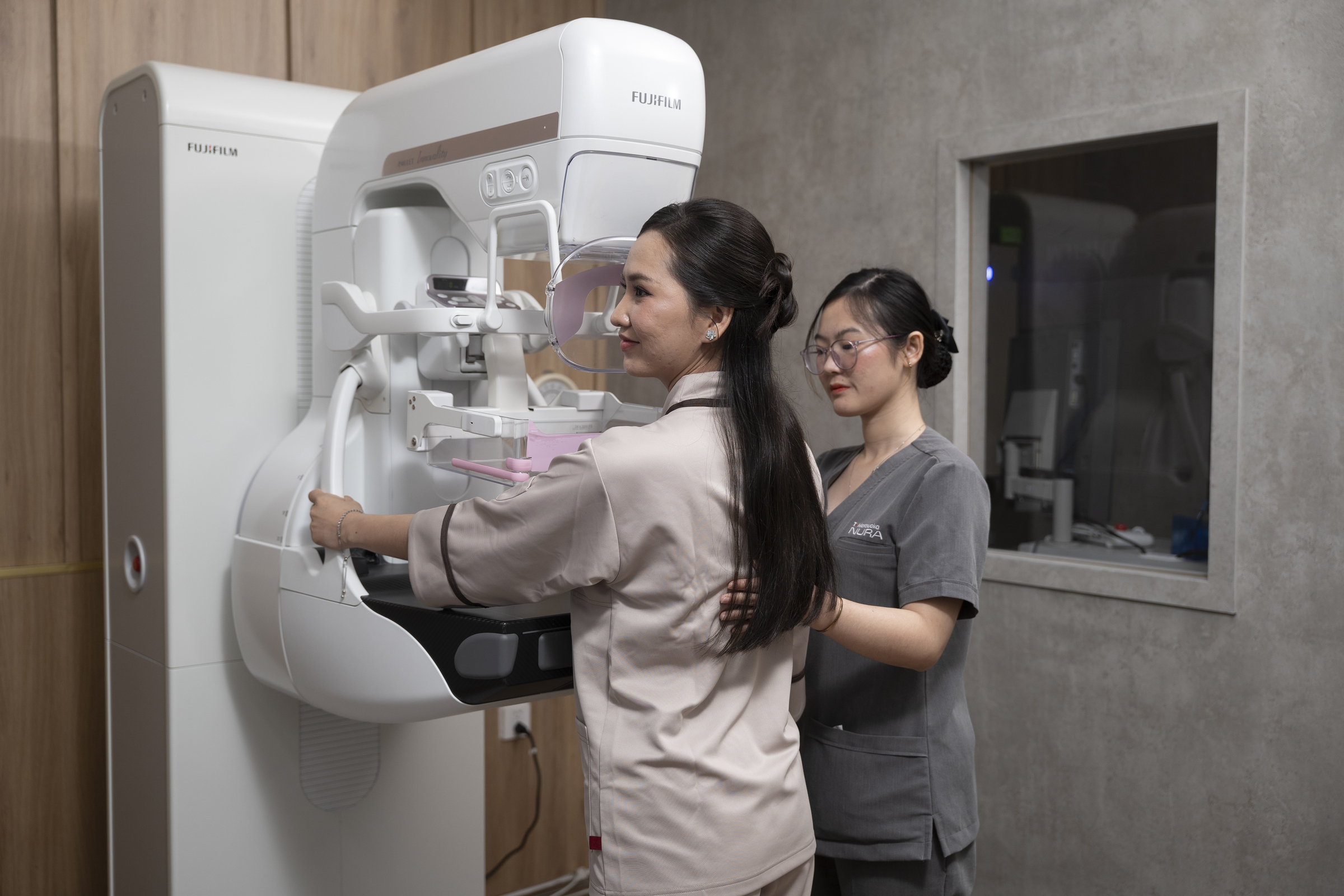 |
Mammography machine for breast cancer screening at Nura. Photo: Nura |
Medical experts stress that the absence of symptoms merely indicates that an individual has not yet felt abnormal signs; it is not evidence that all disease risks are zero. The decision of whether to screen, for which disease, and by what method should be carefully considered based on age, medical history, and specific risks, rather than solely relying on a feeling of "I am still healthy."
Kim Anh