On the thu nhat morning back at the office after a holiday, many wake up on time but still feel heavy-headed, sleepy, and take a long time to concentrate. In the days prior, sleep times were often pushed later, meals were irregular, and activity levels decreased compared to workdays.
This situation is common after a holiday, especially when sleep times, meals, and activity levels change significantly. The feeling of fatigue does not necessarily mean the body is sleep-deprived; many cases relate to the biological clock not yet having adjusted back to the work rhythm.
Delayed sleep rhythm
The body maintains a sleep-wake cycle based on its biological clock, which is heavily influenced by light and daily habits. When a person consistently sleeps and wakes late during holidays, the natural time for sleepiness also shifts later. On workdays, they must wake up earlier than their accustomed body rhythm, making them prone to drowsiness, reduced alertness, and slower reactions in the morning.
The US National Heart, Lung, and Blood Institute (NHLBI) notes that sleeping more and waking up late on days off can provide temporary relief, but it can also disrupt the sleep-wake rhythm. Catching up on sleep or napping only supports short-term alertness and does not fully replace the benefits of regular nighttime sleep.
Sleep quality is as important as duration. Eating too much, consuming alcohol, drinking coffee late, or using a phone close to bedtime can lead to restless sleep. Thus, a person lying in bed for eight hours can still wake up feeling unrestored.
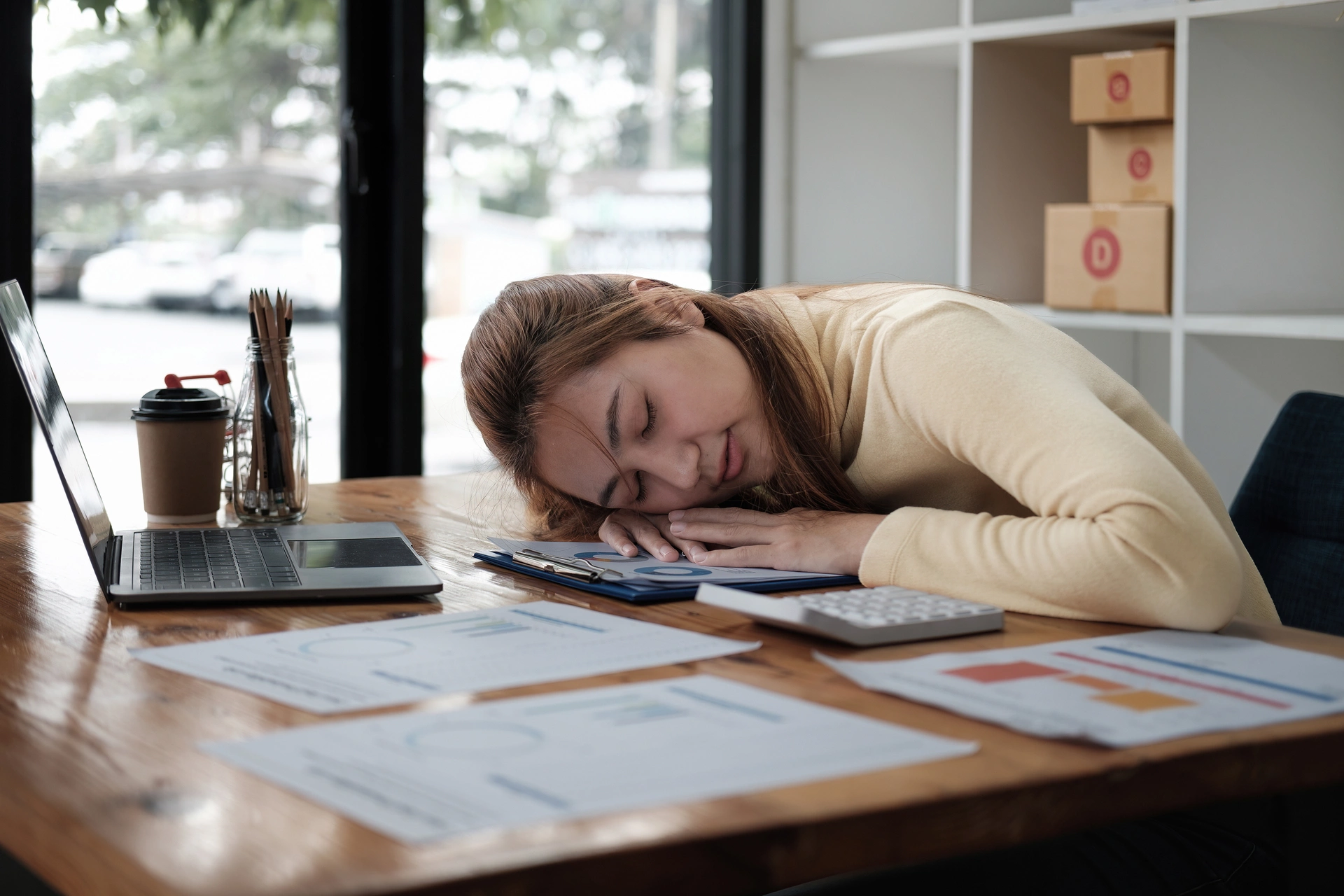 |
Changes in sleep times and daily habits during a holiday can leave many feeling tired and unable to focus upon returning to work. Photo: Vecteezy |
Irregular eating and activity
Meals high in fat, sweets, or alcohol during a holiday can cause bloating, thirst, and affect sleep. Skipping breakfast and then eating a large lunch can also cause daily energy fluctuations, leading to a sluggish feeling after eating.
Reduced physical activity for a few days does not immediately decrease physical fitness, but it can deprive the body of familiar signals needed to maintain alertness. Conversely, attempting intense workouts on the thu nhat day back to work is also unnecessary. A short walk, stretching, or using stairs at a comfortable pace can help the body gradually return to its normal activity rhythm.
Psychological factors also contribute to feelings of fatigue. After days of self-directed time, returning to a schedule of meetings, emails, and a backlog of tasks forces the brain to quickly shift into a focused state. Starting the workday with too many tasks at once can lead to feelings of overwhelm even before the body is truly exhausted.
How to regain rhythm in hai to ba days
People do not need to try to sleep very early on the thu nhat night. Instead, they should maintain a consistent wake-up time, expose themselves to natural light in the morning, and gradually go to bed earlier.
The US Centers for Disease Control and Prevention (CDC) recommends adults maintain relatively fixed sleep and wake times; limit electronic devices at least 30 minutes before bed; and avoid large meals, alcohol, and caffeine in the late afternoon or evening.
During the workday, tasks can be divided into groups, prioritizing high-concentration work during the most alert periods. After every 60-90 minutes of continuous sitting, one should stand up and walk or stretch for a few minutes. Drinking enough water, eating regular meals, and prioritizing easy-to-digest foods help prevent feeling hungry and tired, then overeating at the end of the day.
If excessively sleepy, a short nap in the early afternoon can aid alertness. The NHLBI recommends that adults who have difficulty sleeping at night should limit daytime naps to about 20 minutes and avoid napping too late. Consuming a lot of coffee to combat sleepiness can provide temporary alertness but easily further delay nighttime sleep, prolonging the cycle of fatigue.
When is fatigue a sign of illness?
Fatigue due to schedule changes usually decreases after a few days as sleep, eating, and activity return to normal. However, health issues should be considered if the condition lasts for many weeks, significantly affects work, or is accompanied by: fever, cough, sore throat, shortness of breath, palpitations, weight loss, or mood changes.
People who get enough sleep but frequently wake up, snore loudly, or sometimes stop breathing or gasp for air while sleeping should also seek medical attention to rule out sleep apnea. According to the UK National Health Service (NHS), prolonged fatigue can also be related to anemia, thyroid disorders, diabetes, infections, medication side effects, or psychological problems, and should not be self-diagnosed based on only mot symptom.
How to prevent illness
After a holiday, returning to the office, using public transportation, and interacting with many people increases the chance of encountering respiratory pathogens. Fatigue can sometimes also be an early symptom of flu or some infections, especially when accompanied by fever, aches, cough, or sore throat. Individuals showing signs of illness should rest, limit close contact, and seek medical attention if symptoms are severe or prolonged.
Vaccination does not address fatigue from a disrupted biological rhythm, but it is part of a long-term disease prevention plan. The World Health Organization (WHO) in 2025 emphasized the value of lifelong vaccination. Adults should review their immunization history and consult healthcare professionals about appropriate vaccines for their age, underlying conditions, occupation, and exposure risk, rather than only getting vaccinated during an outbreak or before a trip.
Compiled by Van Ha