Many vegetarians are surprised to find their blood cholesterol levels remain alarmingly high. Despite not consuming animal products, they can still make mistakes in their daily food choices.
Nutrition expert Ta Nghi Phuong (Trung Quoc) states that even if vegetarians remove meat and fish from their diet, they can still fall into a nutritional "trap" from processed foods.
She warns of three food groups high in saturated fats that vegetarians should avoid: vegetarian instant noodles, crackers, and sweet breads.
In a post on her personal page, Ta Nghi Phuong cited the 2026 US dietary guidelines, which recommend limiting saturated fat to under 10% of total daily calories. Most studies indicate that saturated fat is the real "culprit" behind abnormal cholesterol levels.
Why do vegetarians consume so much saturated fat?
According to expert Ta Nghi Phuong, a closer look at daily menus reveals that many vegetarian dishes on the market, characterized by being "crispy, airy, and fragrant," pose potential risks. Do not mistakenly believe that a "vegetarian" label guarantees safety. To achieve the crispy texture and appealing aroma in flour-based dishes, manufacturers must use large amounts of oil, especially saturated fats.
Furthermore, pastries like pineapple cakes and butter cookies often use animal or vegetable butter to create a crisp texture. Unintentionally consuming these foods is a cause of surging cholesterol.
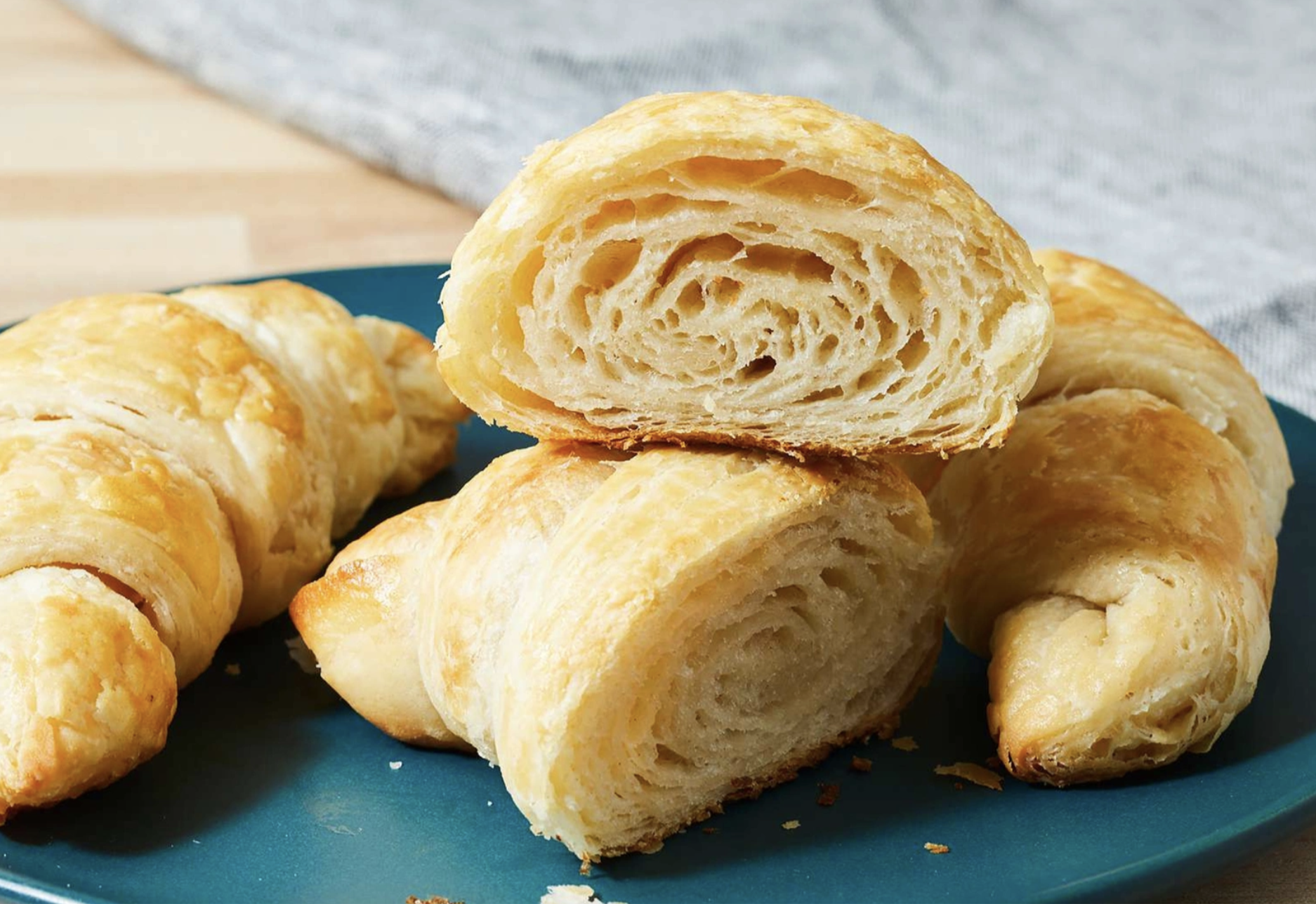 |
Croissants typically contain 5-8 g of saturated fat per pastry. Photo: Katherine Foster |
Croissants typically contain 5-8 g of saturated fat per pastry. Photo: Katherine Foster
Three saturated fat "black holes" for vegetarians
What is the saturated fat limit for an individual? The simplest way to estimate is based on total calorie intake:
For those consuming 1,500 kcal daily: The saturated fat limit is around 17 g.
For those consuming 1,800 kcal daily: The saturated fat limit is around 20 g.
Here are three food groups where vegetarians frequently "fall into a trap":
Vegetarian instant noodles
Many types of vegetarian noodles (with fried noodle blocks and seasoning oil packets) contain 8-13 g of saturated fat.
For those needing 1,500 kcal: one packet of noodles accounts for 46-76% of the daily limit.
For those needing 1,800 kcal: one packet of noodles accounts for 39-65% of the daily limit.
Opt for non-fried noodles that require cooking instead of just hot water, or carefully check nutrition labels for varieties low in saturated fat and free of palm oil.
Cookies (crackers/soda biscuits)
Although there are differences between brands, one packet of cookies can typically contain 8-25 g of saturated fat.
Compared to the limit, cookies can account for 40% to as much as 148% of the allowed amount.
Many mistakenly believe cookies are good for weight loss, but in reality, they often "unintentionally" consume half or an entire packet, leading to increased weight and elevated blood fat.
Breads, croissants, cream-filled pastries
Croissants/layered pastries: Typically contain 5-8 g of saturated fat per pastry.
Cheese- or fresh cream-filled pastries: Typically contain 8-13 g per pastry.
Honey bread/butter milk rolls: Typically contain 8-17 g per pastry (larger varieties have even more).
Consumers often think "eating bread is vegetarian," but what they are actually consuming is butter, shortening, sugar, and fatty fillings.
Small changes for health protection
Expert Ta Nghi Phuong reminds us that high blood fat in vegetarians is often not due to vegetarianism itself, but rather processed vegetarian foods and baked goods that "push" saturated fat intake to excessive levels.
The 2026 US dietary guidelines now restrict ultra-processed foods. Instead, people are encouraged to consume whole foods. To regain health, try replacing cookies with fruit and your bread-eating habit with sweet potatoes.
With just small lifestyle changes, you can significantly reduce your saturated fat intake.
My Y (According to LTN)