Answer:
Fever, heat, or a slight increase in body temperature after embryo transfer is not uncommon and requires proper identification of the cause for treatment. Some cases are normal physiological reactions that do not affect embryo development. The reason is that after embryo transfer, the woman's body is strongly affected by hormones, especially progesterone, which helps thicken the uterine lining and supports embryo implantation. Progesterone often causes a slight increase in body temperature (around 0,3-0,5 degrees Celsius), leading to a feeling of hot flashes or a slight fever. However, some cases of fever can be a warning sign of inflammation or an adverse reaction to medication.
If body temperature increases slightly below 37,5 degrees Celsius, without other abnormal symptoms such as abdominal pain, bleeding, unusual vaginal discharge, chills, or dry cough, the patient can monitor themselves at home. One should not worry excessively about a slight fever after embryo transfer because excessive stress and anxiety can disrupt hormones, affecting the embryo's ability to implant. Maintaining a relaxed mind, getting adequate rest, eating a healthy diet, and adhering to the doctor's instructions are the most important factors for a successful embryo transfer.
If the fever is high, above 38 degrees Celsius, or accompanied by lower abdominal pain, foul-smelling vaginal discharge, severe fatigue with cough, or runny nose, one needs to go to the hospital for examination. A prolonged high fever above 38,5 degrees Celsius can affect the quality of the uterine lining, reducing the embryo's ability to implant. Since your fever is 38,5 degrees, you should go to the hospital for a doctor to assess the cause.
 |
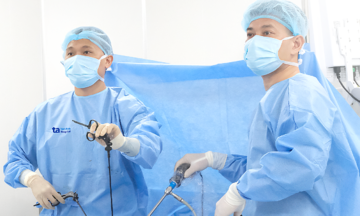
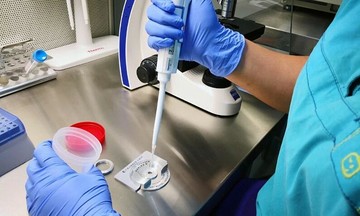
A doctor preparing for an embryo transfer. Photo illustration: IVF Tam Anh. |
Some common reasons leading to fever after embryo transfer are related to endocrine issues, immune responses, infectious diseases, or infections:
Endocrine reactions: Hormone supplementation after embryo transfer (progesterone, estradiol) helps maintain a stable uterine environment, but can cause feelings of warmth, fatigue, and be easily mistaken for fever.
Immune reactions or mild inflammation: After the embryo is placed into the uterus, the body may react as if to a "foreign object," causing mild localized inflammation. Improper vaginal medication insertion or procedures can sometimes irritate the intimate area, causing mild inflammation and an increase in body temperature.
Colds or viral infections: Women's bodies during this period are often sensitive, with reduced resistance. Patients are susceptible to colds or sore throats, causing body temperature to increase.
Genitourinary infections: This is a cause for concern as it can affect the outcome of embryo transfer. Urinary tract infections, vaginitis, endometritis, and similar conditions can cause fever, lower abdominal pain, and unusual vaginal discharge. If not treated promptly, bacteria can impact the uterine environment, hindering embryo implantation.
One should not self-medicate with fever reducers like paracetamol or aspirin without a doctor's prescription; treatment must be based on the specific cause. If due to endocrine factors, one only needs to rest, drink plenty of water, and maintain a stable room temperature. If an infection or other illness is suspected, appropriate testing and treatment are required.
The first two weeks after embryo transfer are a critical period for embryo implantation, so you should pay special attention to keeping your body warm, avoiding cold water baths, and not sitting in air-conditioned rooms for extended periods. Drink enough water, eat a balanced diet, especially foods rich in protein, vitamin C, zinc, and iron, to boost resistance. Avoid contact with people suffering from infectious diseases, and wear a mask when going out. Do not self-medicate if fever, cough, or sore throat appear; instead, contact your treating doctor for specific guidance. Individuals with a history of hepatitis, sore throat, pneumonia, or autoimmune diseases should inform their doctor beforehand for closer monitoring, as these groups are at higher risk of inflammatory reactions after embryo transfer.
Master, Doctor Nguyen Le Thuy
Fertility Support Center
Tam Anh General Hospital Hanoi
| Readers can send questions about infertility here for doctors to answer. |