Visceral fat can affect both thin and obese individuals. The term "skinny fat" describes people who appear lean but possess a high percentage of body fat and low muscle mass.
You may fall into the "skinny fat" category, having more fat and less muscle despite a normal body weight. This condition is as dangerous as obesity because it can lead to numerous health issues such as fatty liver, high blood pressure, diabetes, and cardiovascular disease.
Thin individuals with high visceral fat often develop this due to an unscientific diet and inadequate exercise. A diet rich in carbohydrates but low in protein creates conditions for rapid fat accumulation, hindering muscle development. Furthermore, a sedentary lifestyle can impact hormones, causing an imbalance in body recomposition and promoting fat storage.
Aging also contributes to a reduction in muscle mass, which is typically accompanied by an increase in body fat.
 |
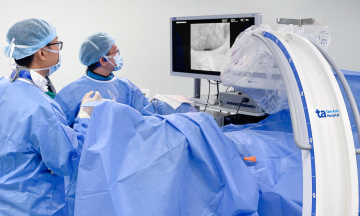
Doctor Thao advises patients on a scientific, healthy diet. Illustration photo: Tam Anh General Hospital
To address this condition, it is essential to improve both diet and exercise habits. Adjust your diet to include a balanced intake of necessary nutrients, while limiting the consumption of sugary and starchy foods. You can increase healthy carbohydrates from vegetables, fruits, and whole grains.
Prioritize lean protein in every meal to preserve muscle and foster muscle group development. Lean protein is abundant in animal meats such as chicken breast, beef tenderloin, pork tenderloin, and seafood like shrimp, tuna, and oysters. It is also important to limit sugary drinks, fast food, and canned foods.
You should engage in exercise at a reasonable intensity that suits your physical condition. If you work in an office, it is advisable to move around every 30-45 minutes by stretching or walking.
Doctor Vo Tran Nhu Thao
Department of Endocrinology - Diabetes
Tam Anh General Clinic District 7
| Readers can send questions about endocrine diseases here for doctor consultation. |