Doctor Tran Huynh Tan, Medical Manager at the VNVC Vaccination System, stated that changing weather patterns, with unpredictable hot and cold spells, facilitate the spread of influenza. In April, several hospitals reported numerous severe flu cases among elderly patients with chronic illnesses. Many initially presented with mild symptoms like headache, fatigue, fever, and a slight cough, but their condition quickly worsened, leading to pneumonia and respiratory failure.
For instance, the Central Hospital for Tropical Diseases admitted a 77-year-old woman who arrived four days after experiencing fatigue, headache, and nausea. Her family believed she had a common cold, took her temperature, and did not seek medical attention at home. After examination and tests, doctors diagnosed her with influenza B, complicated by pneumonia, on a background of hypertension, requiring oxygen therapy.
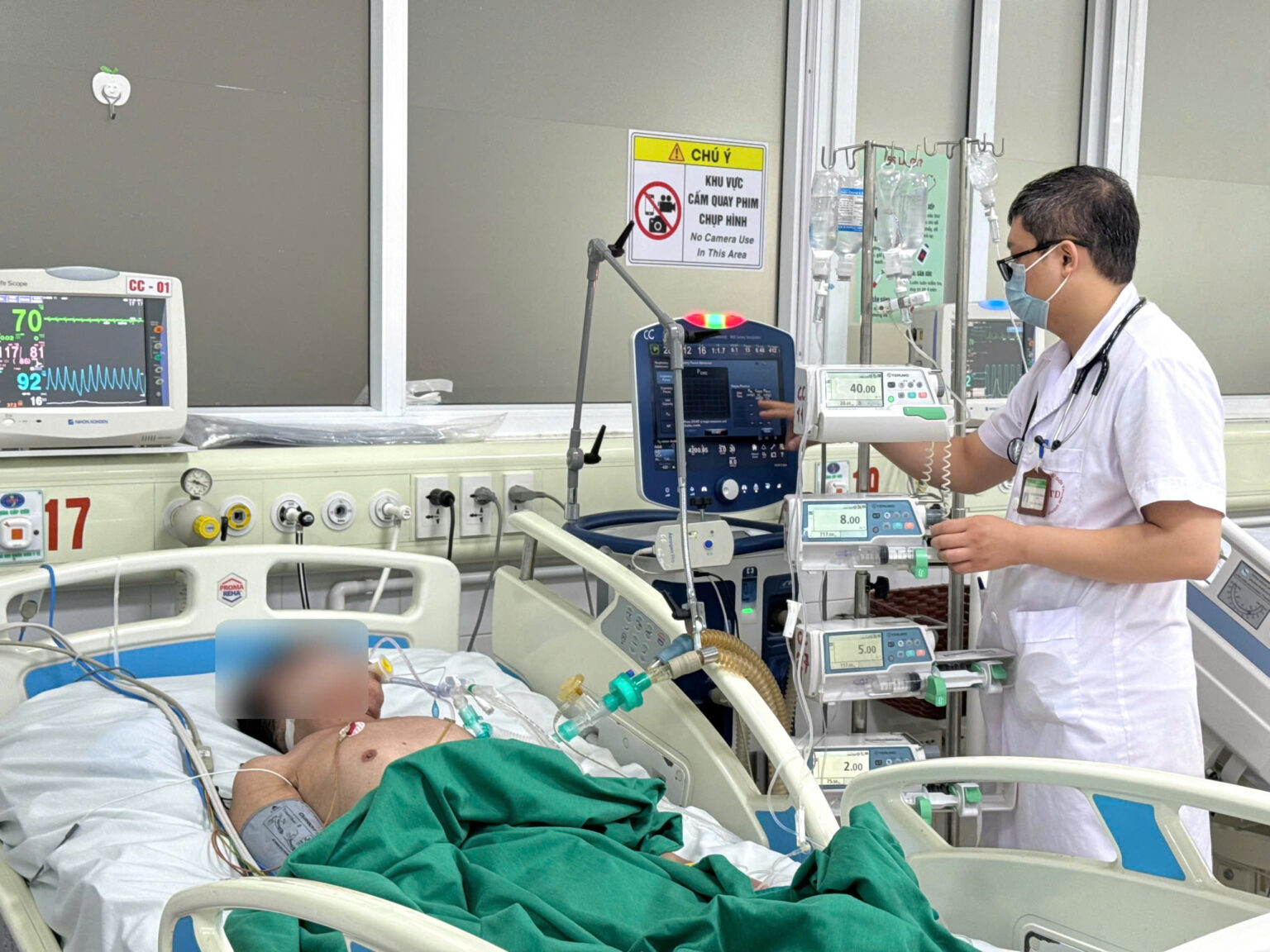 |
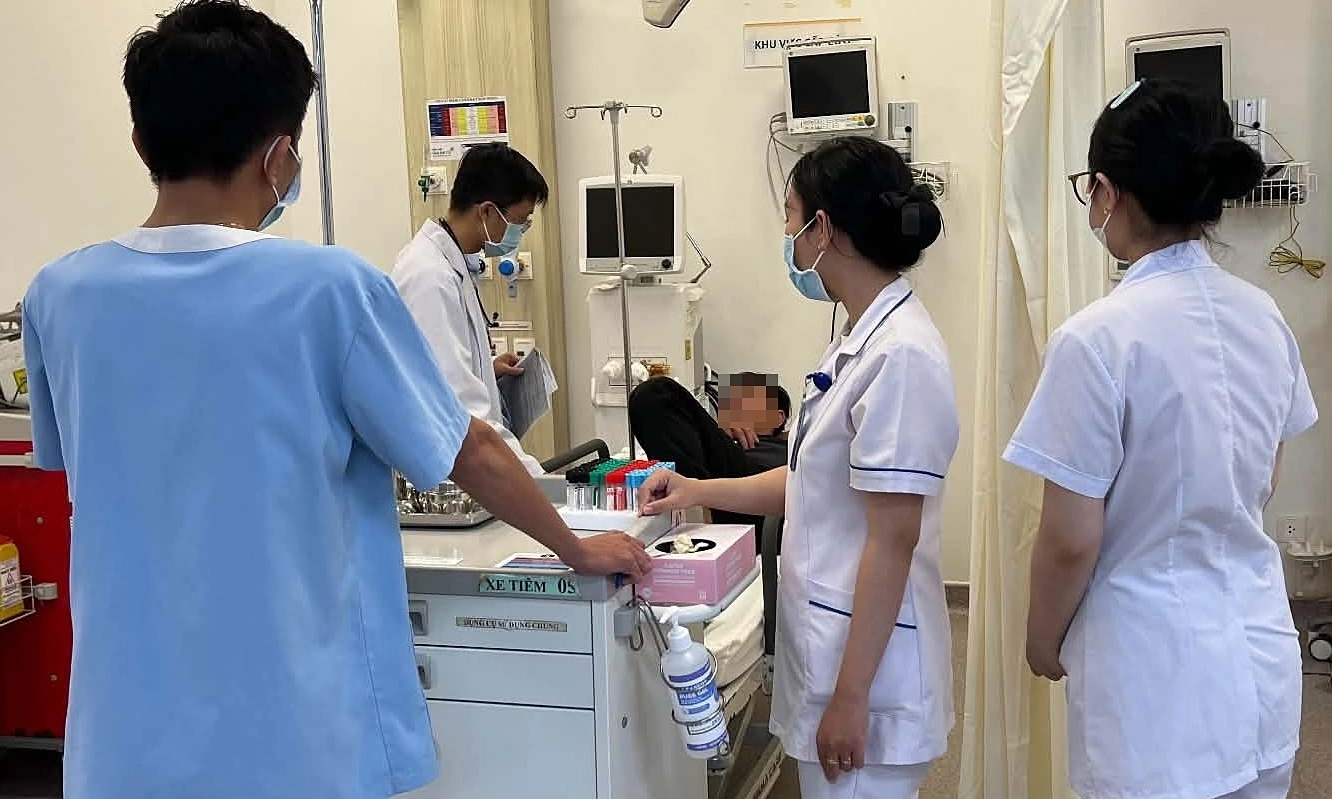
A patient with severe flu receiving treatment at the Central Hospital for Tropical Diseases. Photo: Central Hospital for Tropical Diseases
According to Doctor Tan, the elderly are one of three groups particularly vulnerable to severe flu and its complications. Due to natural aging and underlying health conditions, their immunity is weakened, making them susceptible to pathogens.
Underlying conditions also contribute to the severity of flu. Hospital statistics show that flu can increase the risk of myocardial infarction by 6-10 times and stroke by 8 times. Diabetic patients who contract flu face a 6-fold higher risk of hospitalization and a 2-3 times higher risk of death compared to non-diabetic individuals.
Additionally, older adults typically have slower recovery times, leading to extended hospital stays, increased treatment costs, and greater care demands.
"Severe cases may require several weeks of treatment in the Intensive Care Unit, needing mechanical ventilation, dialysis, or ECMO", said Doctor Tan.
Families often underestimate the flu, treating it as a minor illness, which leads to inadequate monitoring and incorrect treatment. Doctor Tan noted that most seasonal flu patients experience only fever, fatigue, runny nose, or a dry cough, recovering naturally within 5-7 days. However, a certain percentage of patients, including healthy young adults, can develop severe symptoms.
Another common mistake is self-medicating with antibiotics or corticosteroids. Since flu is caused by a virus, antibiotics are ineffective. These medications should only be used when there is evidence of bacterial superinfection and under a doctor's prescription.
Moreover, self-prescribing antibiotics increases the risk of antibiotic resistance. Corticosteroids can quickly reduce cough and fever but may also suppress the immune system if used improperly. Flu can progress to complex stages and heighten the risk of superinfections.
Many patients are admitted to the hospital because they miss the "golden hour" for treatment, ignoring early warning signs. They endure symptoms at home, only calling for emergency help when completely exhausted.
 |
Elderly individuals receiving flu vaccines at the VNVC Vaccination System. Photo: Hoang Duong
Doctor Tan advises the public not to be complacent about the flu. It is crucial to closely monitor symptoms and seek timely hospital admission if severe signs appear. These warning signs include: persistent high fever for over 48 hours, chest tightness, shortness of breath, rapid breathing, severe vomiting preventing eating or drinking, or signs of lethargy and confusion.
Elderly individuals and those with underlying conditions should seek early medical attention for proper treatment, as severe symptoms may not be typical for them. People should not self-medicate, especially avoiding aspirin, which can cause Reye's syndrome, leading to brain damage and acute liver failure.
To prevent illness, families should maintain personal hygiene, wear masks in crowded places, and boost overall health. Elderly individuals and those with underlying conditions should eat a nutritious diet, get adequate rest, and adhere to their regular treatment protocols, controlling blood pressure and blood sugar.
The risk of infection increases rapidly in summer when families travel or visit crowded areas. Early prevention through flu vaccination is effective. Healthy family members should also get vaccinated to reduce the risk of transmission.
Hue Lan