While the gut cannot think or remember like the brain, it profoundly influences digestion, emotions, and overall health. Many individuals experience stomach pain, bloating, or loss of appetite during periods of stress, just as digestive issues can, in turn, negatively affect mood and sleep. Experts highlight this as a clear manifestation of the intricate brain-gut connection.
The gut's unique nervous system
According to Healthline, the enteric nervous system (ENS) resides within the gut wall, forming a vast network of hundreds of millions of neurons that span the entire digestive tract. This intricate nervous system can autonomously coordinate numerous activities, including: gut contractions, food transport, digestive enzyme secretion, and regulation of blood flow to the gut, all without step-by-step direction from the brain.
This remarkable ability to operate with relative independence is precisely why the ENS is referred to as the 'second brain'. However, the ENS does not possess the capacity for thought, memory, or decision-making like the brain; its primary function is to coordinate the digestive system's operations.
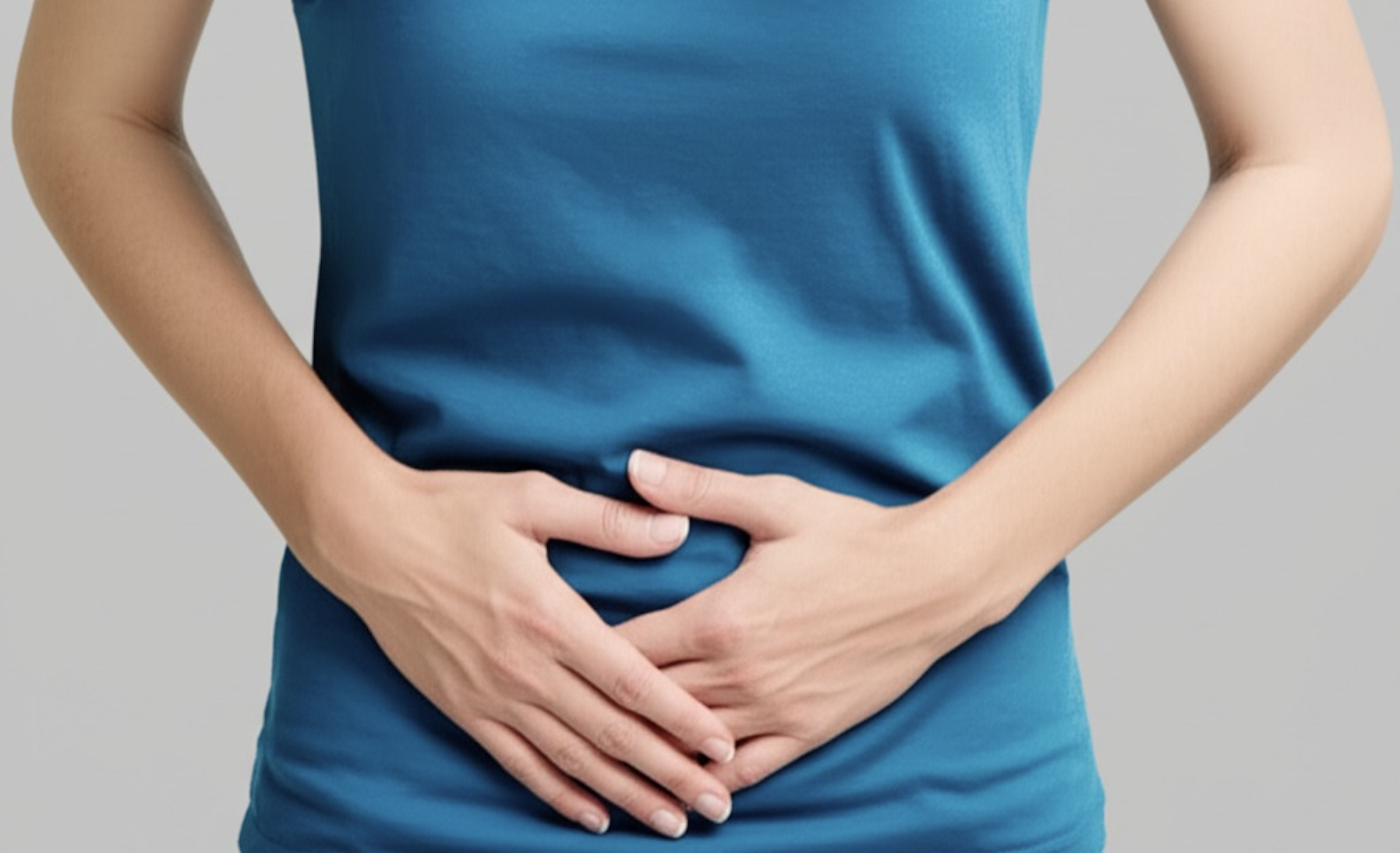 |
Some individuals experience stomach pain, bloating, or loss of appetite when stressed. *AI-generated image*
Bidirectional communication between brain and gut
Medical News Today identifies the gut-brain axis as a crucial system that connects the brain with the digestive tract, facilitating bidirectional signal exchange between the two organs. This communication occurs through diverse pathways, including: the vagus nerve, hormones, the immune system, and gut microbiota.
Due to this connection, changes originating in the brain can directly influence digestive activity. This explains why many individuals experience stomach pain, bloating, or diarrhea when facing stress or anxiety, such as before an exam or a significant event.
Conversely, the state of the gut can also impact the brain. Healthline highlights that gut microbiota produce numerous compounds involved in the signaling process between the gut and the brain. Research indicates that an imbalance in gut microbiota is associated with certain mood disorders and impaired brain function.
The gut's influence on mood
Approximately 90-95% of the body's serotonin is produced within the gastrointestinal tract. However, the majority of this serotonin primarily regulates gut activity and does not directly enter the brain to control emotions.
Experts propose that the gut's influence on mood stems from the coordinated interplay among the enteric nervous system, gut microbiota, immune system, and chemical signals exchanged with the brain, rather than being solely attributed to a single neurotransmitter. Thus, gut health and mental well-being are intrinsically linked.
When digestive problems arise, some individuals may concurrently experience symptoms such as: anxiety, stress, or difficulty sleeping. Conversely, prolonged stress can alter gut microbiota, subsequently impacting digestive function.
According to experts, prioritizing gut care not only ensures efficient digestive system function but also helps maintain the balance of the gut-brain axis. Emphasize a diet rich in fiber from: green vegetables, fruits, whole grains, and legumes to nourish beneficial gut bacteria. Consider incorporating yogurt and kimchi if suitable, while simultaneously limiting ultra-processed and sugary foods.
Maintain regular physical activity, get sufficient sleep, manage stress, and only use antibiotics when prescribed by a doctor to minimize their impact on gut microbiota.
Bao Bao (Compiled)