Shingles is a disease caused by the varicella-zoster virus, which is also responsible for chickenpox. After a person contracts chickenpox, the virus can remain dormant in nerve tissue for many years. When the immune system weakens due to age, underlying health conditions, or the use of immunosuppressive medications, the virus can reactivate and cause shingles.
The disease typically presents with a rash, blisters, itching, fever, headache, and fatigue. Many people consider this merely a skin condition. However, the nerve pain associated with shingles can be severe, persisting for months or even years after the skin lesions have healed. Vaccination is a proactive measure to mitigate the risk of shingles and its complication, post-herpetic neuralgia.
 |
Shingles vaccine. Photo created by AI |
Reducing the Risk of Shingles
The most significant benefit of the vaccine is its ability to reduce the risk of developing the disease. The recombinant shingles vaccine, Shingrix, has demonstrated high efficacy in individuals aged 50 and older. According to the US Centers for Disease Control and Prevention (CDC), this vaccine is over 90% effective in preventing shingles and post-herpetic neuralgia in healthy individuals aged 50 and above.
Long-term follow-up studies indicate that the vaccine's protection remains high for several years post-vaccination. Some data shows efficacy remaining above 80% after approximately 10 years. While there is currently no recommendation for routine booster shots after completing the two-dose series, scientists continue to monitor the duration of protection.
Milder Symptoms if Infection Occurs
Vaccinated individuals can still contract shingles, though the incidence is low. In cases of breakthrough infection, symptoms are typically milder, the illness duration is shorter, and the risk of complications is lower compared to unvaccinated individuals.
Post-herpetic neuralgia (PHN) stands as one of the most severe complications. Patients may experience burning, electric-shock-like pain, or intense sensitivity to light touch in the previously affected skin area. This pain can persist for months, or even years, impairing sleep, mobility, and daily activities. Given the difficulty in definitively treating PHN, preventing it through vaccination is crucial.
Preventing Eye and Ear Complications
Shingles can manifest on the face. If the virus affects the eyes, individuals face risks such as keratitis, corneal scarring, vision loss, or blindness. When the ear-facial nerves are impacted, the condition can lead to ear pain, tinnitus, dizziness, hearing loss, or facial paralysis. Vaccination reduces the risk of developing shingles, thereby lowering the likelihood of these complications.
Additionally, recent studies suggest that individuals vaccinated against shingles may have a lower risk of dementia, myocardial infarction, or stroke compared to unvaccinated individuals. The exact protective mechanism for these outcomes remains unconfirmed. Current hypotheses propose that preventing viral reactivation might reduce inflammation within the nervous and vascular systems. This area is still under investigation and is not a primary indication for the vaccine.
 |
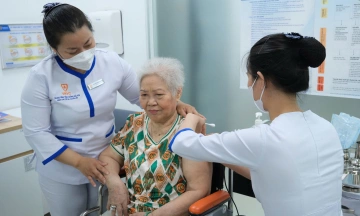
The shingles vaccine is recommended for people aged 50 and older, and for those aged 18 and above who are immunocompromised. Photo: Vecteezy |
Who Should Get Vaccinated?
The CDC recommends two doses of the shingles vaccine, administered 2-6 months apart, for individuals aged 50 and older. Vaccination is also advised for people aged 18 and above who are immunocompromised or at risk of immunosuppression due to underlying medical conditions or treatments. Even those who have previously had shingles can get vaccinated to reduce the risk of recurrence, though they should consult a doctor for appropriate timing.
It is important to note that the vaccine is not used to treat an active shingles infection. Individuals experiencing acute symptoms should seek medical attention for early diagnosis and treatment. Antiviral medications are generally more effective if administered within the first few days of rash onset.
Beyond vaccination, maintaining overall health is crucial. This includes getting adequate sleep, managing chronic diseases, and seeking medical consultation if experiencing burning pain on one side of the body accompanied by blisters. For older adults or immunocompromised individuals, early detection helps reduce the risk of prolonged pain and severe complications.
Van Ha (According to Everyday Health)