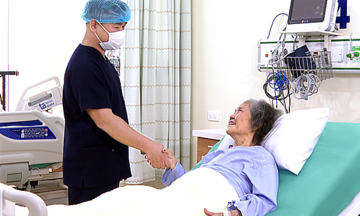
Ningbo University No. 1 Hospital confirmed this rare case on 22/1. Ms. Trinh, a local resident, was discharged after a successful surgery. Earlier, during pre-operative testing, the Transfusion Department noted a significant anomaly in her ABO blood typing, as forward and reverse grouping reactions did not match. Doctors immediately halted standard procedures, initiating specialized gene analysis.
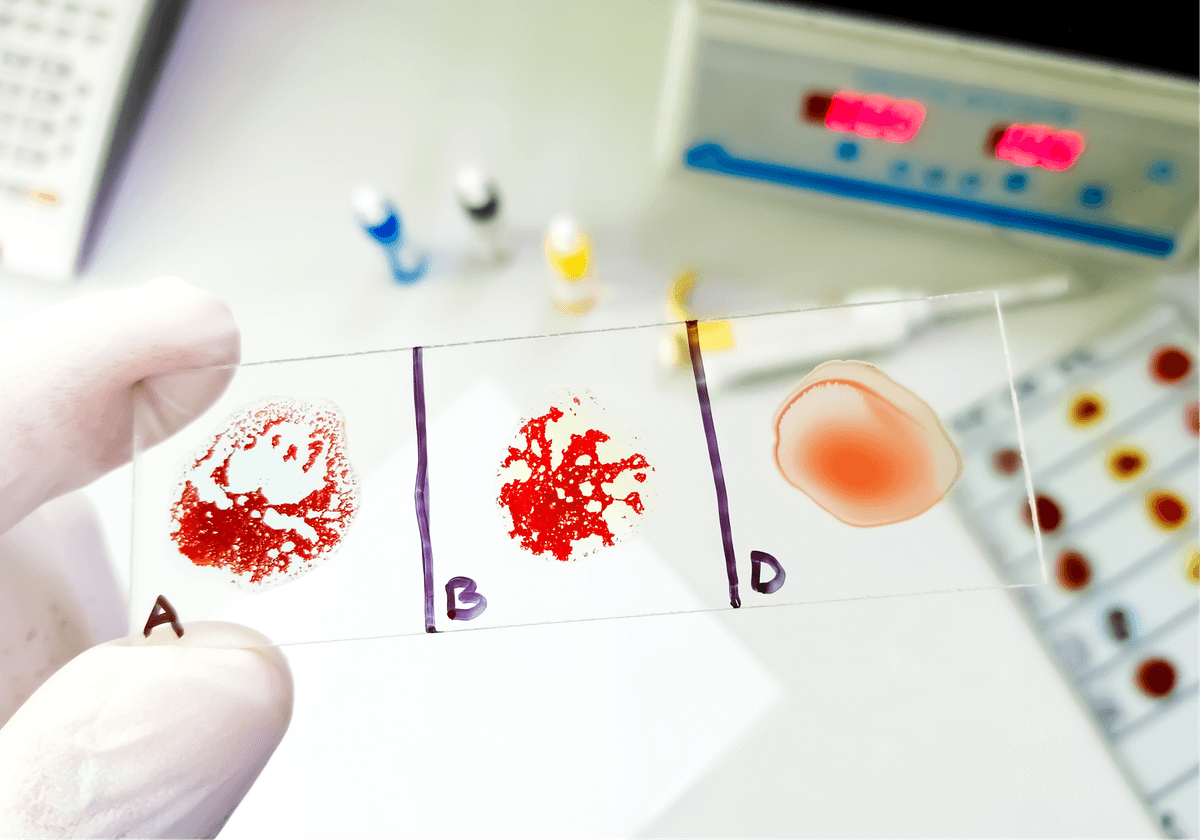 |
Illustration: The Scientist |
Gene sequencing determined Ms. Trinh carried a mutation on the FUT1 gene. Medically, the human body requires an H antigen "foundation" to build A or B blood type "houses." In individuals with Para-Bombay blood, like Ms. Trinh, a gene mutation prevents the body from producing this foundation, even though she possesses the blueprint for B blood type. Due to this H antigen deficiency, standard rapid tests cannot accurately identify her blood, often leading to a misdiagnosis of O blood type.
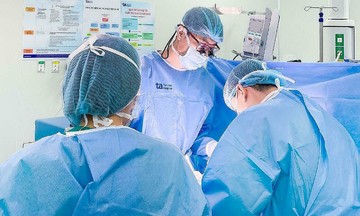
Experts refer to this as "dinosaur blood" due to its extremely low incidence, occurring in about one in tens of thousands to hundreds of thousands of people. This makes it rarer than "panda blood" (RhD negative). Upon precise identification of the blood type, the hospital activated a "red alert" protocol, convening a multi-specialty consultation to determine the safest approach. The surgery proceeded smoothly, thanks to thorough hemostasis measures, eliminating the need for a blood transfusion from another person.
Lu Dinh Phong, Head of the Transfusion Department at Ningbo University No. 1 Hospital, emphasized that transfusing blood to an individual with Para-Bombay blood is a medical "forbidden zone." Because the patient's body produces natural antibodies against the H substance, transfusing any standard blood unit poses a life-threatening danger. Notably, O blood type – often considered a universal donor in the community – is the most dangerous for Para-Bombay patients, as O red blood cells contain the highest concentration of H antigens. If transfused incorrectly, antibodies in the recipient would aggressively attack the donor's red blood cells, causing acute hemolysis, kidney failure, and immediate fatal shock.
In emergency situations, the only solutions for these patients involve using autologous blood (collected and stored before surgery) or specialized frozen blood from a national rare blood bank. Doctors advise the public, particularly relatives of individuals with rare blood types, to proactively undergo screening due to the genetic nature of the condition. Those with difficult-to-determine blood types should visit large hematology centers for clarification. They should also consider maintaining medical records or consulting on autologous blood storage procedures to protect their lives in critical situations.
Binh Minh (According to Ningbo Evening News)