In the days leading up to her departure, Van Anh was busy booking boat tickets, preparing clothes and cosmetics, and planning check-ins at famous beaches and restaurants on the island. She eagerly looked forward to trying coral diving, night camping, and exploring coastal rock formations.
Before the trip, Van Anh listed potential risks to prepare for. She circled "possible fever, flu" and "lack of access to medication, vaccines," then proactively visited VNVC Thu Duc 2 in Ho Chi Minh City to get her flu and meningococcal vaccines.
"I've been sick while traveling before, and I always regretted being too tired to enjoy the trip. This time, I prepared in advance for peace of mind", Van Anh said.
Upon her return, Van Anh reported participating in many activities throughout her journey in Phu Quy, including continuous travel between various attractions, dining at local eateries, and evening strolls.
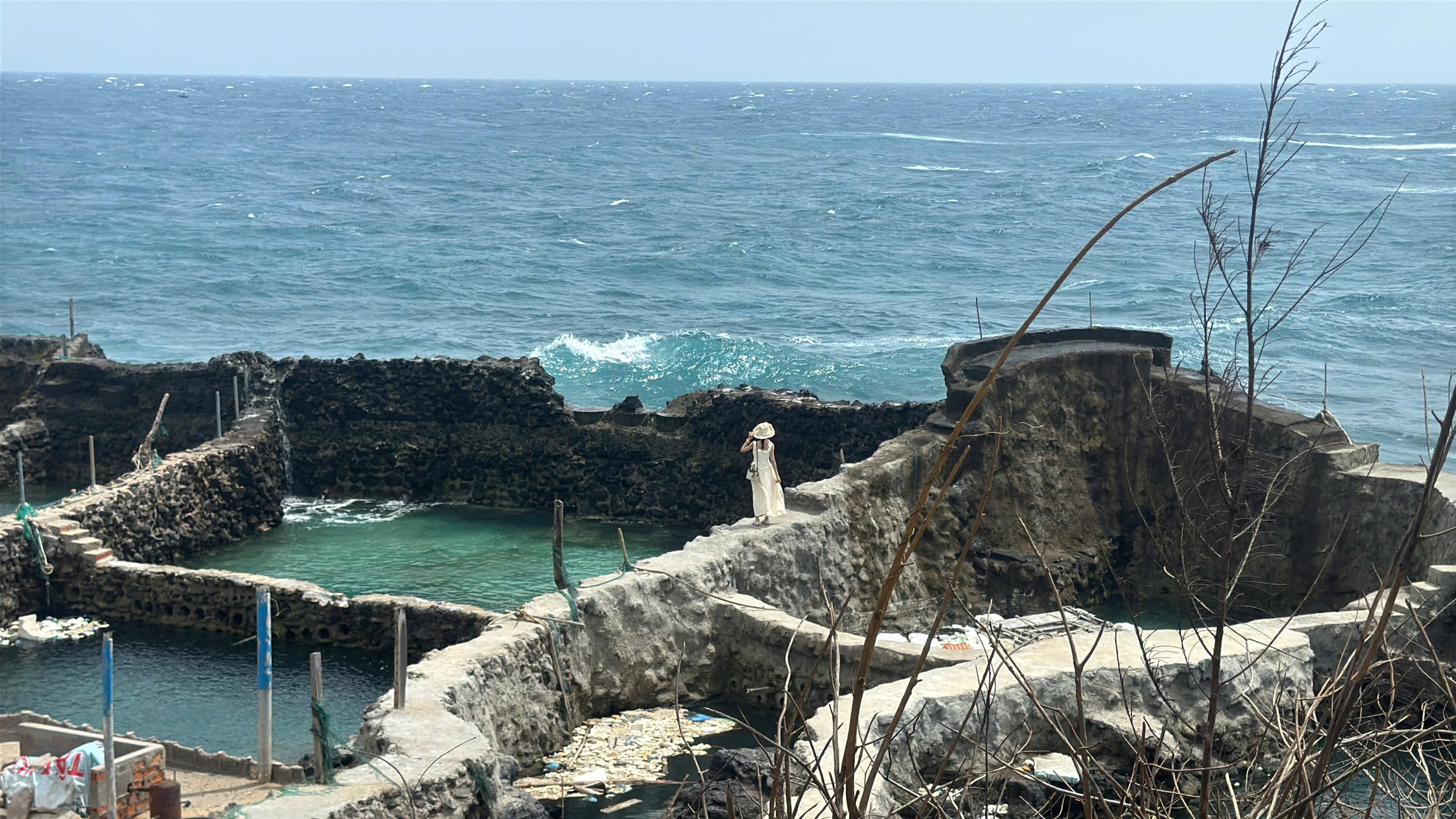 |
Van Anh during her trip to Phu Quy Island, Binh Thuan, last March. Photo: Contributed |
Meanwhile, Trong Nghia, 27, is preparing for a trip to Phu Quoc with his girlfriend in three weeks. As animal lovers, they both look forward to visiting a famous dog farm on the island, where they can play, take photos, and interact closely with various dog breeds.
Nghia stated that he had heard of many cases where people were scratched or licked by dogs on minor abrasions but neglected proper treatment, leading to fatalities. Additionally, their tour itinerary is quite packed, involving continuous travel, so any incident requiring vaccination or medical monitoring during the trip would affect the entire group. Therefore, he and his girlfriend visited VNVC to receive the rabies vaccine for proactive disease prevention.
"Getting vaccinated beforehand helps us feel more comfortable when playing and interacting with animals", Nghia said.
Dr. Danh Thi My Hong, Medical Manager at VNVC, noted that during summer, hot weather prompts many to proactively get vaccines such as flu, meningococcal, pneumococcal, and rabies before traveling to coastal areas and islands. This indicates a growing public interest in pre-travel health preparation.
Vietnam boasts many pristine tourist destinations, but medical services in these areas can be limited, making treatment inconvenient if incidents occur. Therefore, travelers should consider getting appropriate vaccinations.
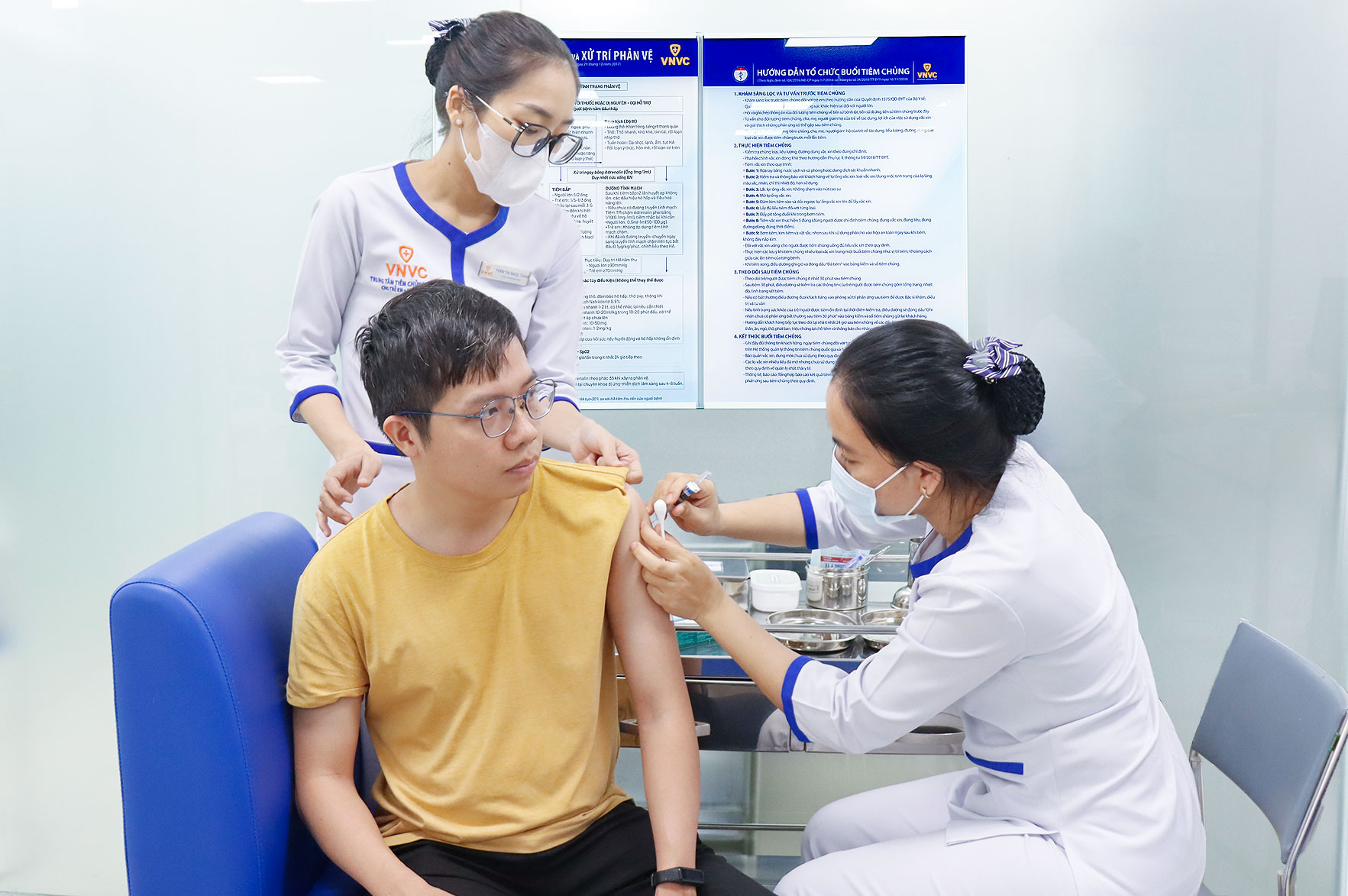 |
People receiving disease prevention vaccines at the VNVC Vaccination System. Photo: Hoang Duong |
For example, trips involving large crowds, festivals, concerts, or tours increase the risk of respiratory infections, making flu, meningococcal, pneumococcal, and pertussis vaccines advisable. If venturing into forests, camping, or exploring areas with dense vegetation and stagnant water, protection against mosquito-borne diseases like dengue fever and Japanese encephalitis is necessary. For itineraries involving contact with wildlife, dog and cat farms, or conservation areas, pre-exposure rabies vaccination is recommended.
Dr. Hong emphasized that vaccines require time to build antibodies, so vaccination should occur two to three weeks before a trip for better immunity.
Beyond vaccinations, Dr. Hong advised individuals to prepare basic medications, monitor weather conditions, ensure hygienic food and drink, and wear appropriate clothing to reduce the risk of illness during summer travel. Travelers should also maintain contact with family, updating their itinerary when visiting remote coastal areas or islands to proactively respond if incidents occur.
Binh An