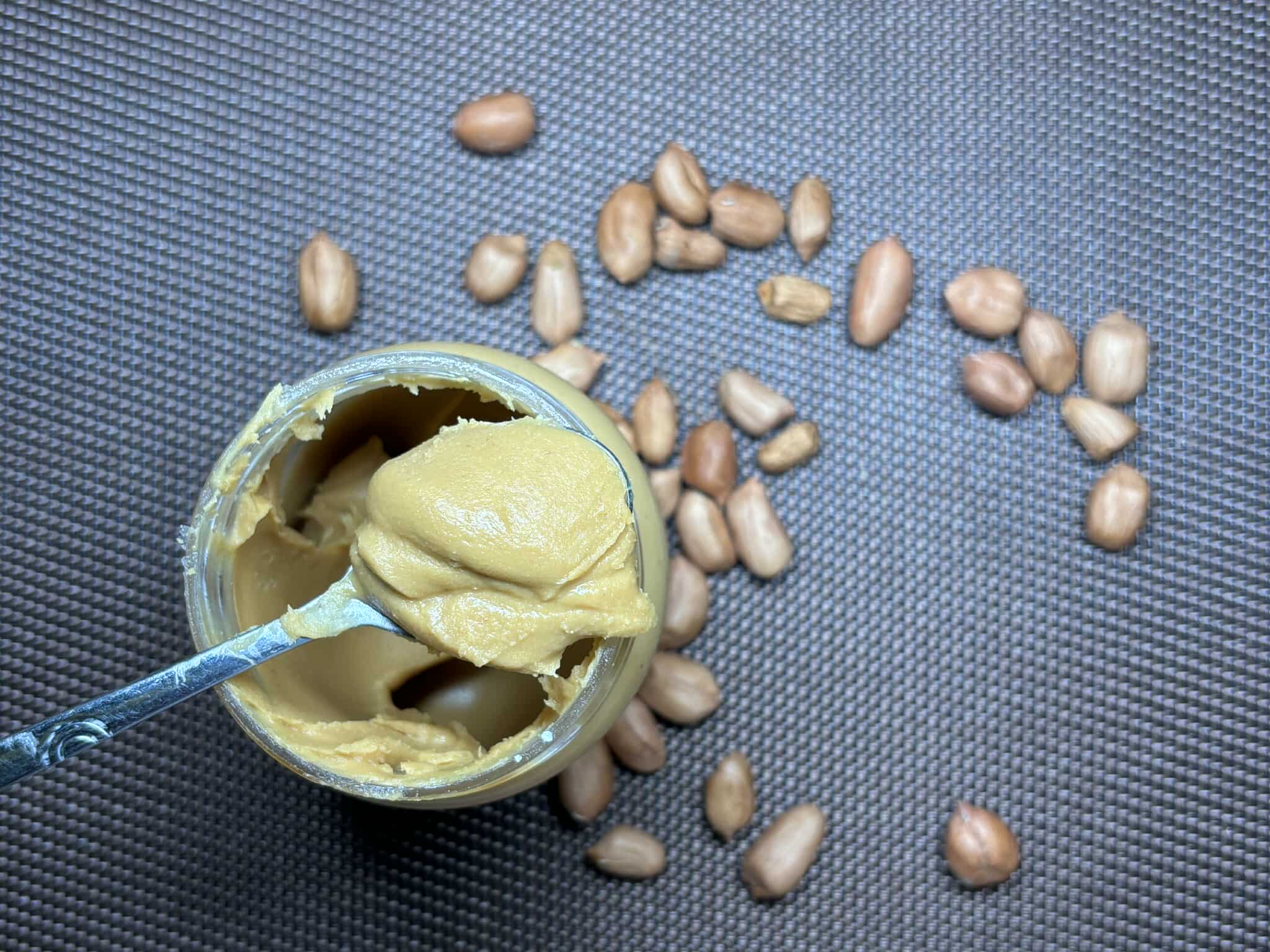
Protein is an essential nutrient vital for cell structure, muscle building, metabolism support, promoting satiety, repairing damaged tissues, and hormone balance. On average, sedentary individuals require about 0,8-1,3 g of protein per kg of body weight daily, while athletes may need more. However, consuming too much protein can harm health.
Weakened bone health
According to the Times of India, high protein consumption can lead to hypercalciuria, a condition marked by excessive calcium excretion in urine. This imbalance depletes bone calcium reserves, weakening bones and increasing the risk of osteoporosis and fractures.
Strains kidney function
Excess protein in the diet creates an acid load on the kidneys, accelerating the glomerular filtration rate and increasing calcium and sodium excretion. This elevates the likelihood of kidney stone formation, particularly uric acid and calcium oxalate stones. Over time, this condition can hasten kidney function decline, especially in individuals with existing kidney disease.
Increased cancer risk
Cooking food at high temperatures can produce heterocyclic amines, compounds linked to cancer risk. Red meat and processed meats, rich in saturated fats, also elevate this risk. Individuals should maintain a balanced diet, prioritizing fresh foods and limiting processed items.
Affects liver function
A diet overly rich in protein, particularly with excessive supplement use, can increase the burden on the liver. This can lead to elevated liver enzymes and signs of hyperalbuminemia, indicating an overloaded liver. Prolonged high protein consumption can also impact liver metabolism and function.
Risk of coronary artery disease
Consuming too many foods rich in protein and saturated fats can exacerbate cardiovascular stress, potentially leading to atherosclerosis and other heart diseases, according to Eating Well.
To protect heart health, individuals need to maintain an active lifestyle, manage weight, and adopt a healthy diet. Beneficial habits include consuming less salt and saturated fats, exercising regularly for 30-40 minutes daily, quitting smoking, getting sufficient sleep, and managing stress.
Le Nguyen (Compiled)
| Readers can submit nutrition questions here for a doctor's response |