On 14/4/1995, Jennifer Morey, a 25-year-old lawyer, went out with friends and returned home late that night. She lived alone in the Bayou Park apartment complex in Houston, Texas. The building was surrounded by a tall fence, equipped with security cameras, and had 24/7 security personnel.
Around 4h on 15/4, Jennifer awoke to a strange and painful sensation, discovering a man on top of her, trying to pull off her clothes. With a knife held to her throat, Jennifer screamed and struggled to escape. She was stabbed two times: once on the right side of her face and once in her throat.
"Blood gushed like a hot waterfall. I just felt like I had to push him off me. I had to stop him. I couldn't be raped, and I couldn't be killed", Jennifer recounted on the I Survived program in 2008.
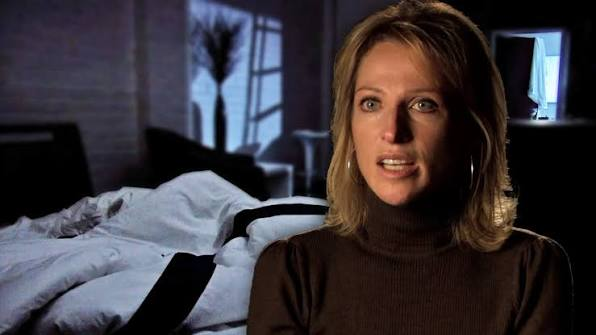 |
Jennifer Morey recalls her near-fatal attack on 15/4/1995. Photo: A&E |
The attacker dragged Jennifer from her bed into the bathroom. Fortunately, when he returned to the bedroom to retrieve the knife, Jennifer seized the opportunity to close the door, bracing her feet against the bathtub for leverage and using her body weight to hold the door shut.
Simultaneously, Jennifer pressed toilet paper to her neck to staunch the bleeding and listened for movement. Soon after, she heard the assailant rummaging through belongings in the room and moving around. She also heard the sound of him zipping his pants.
When everything fell silent again, Jennifer assumed he had left the apartment, but she also feared he might return at any moment. She faced two choices: stay and bleed to death, or risk leaving the bathroom to call for help. Her blood-soaked hands made it nearly impossible to grip the door, which had jammed after being slammed shut.
Struggling to open the door, Jennifer immediately ran to the landline phone, but the line was cut, and the entire apartment had lost power. Luckily, even though this was 1995, years before cell phones became common, Jennifer's company had provided her with an early model cell phone to always stay in contact.
She dialed 911, the emergency number, and was connected with Richard Everett, a coordinator on his first shift.
911 call saves a life
Over the phone, Richard listened as Jennifer described the situation and instructed her to remain calm, treat her wounds, and wait for the police to arrive while staying on the line.
After a few minutes of talking, Jennifer heard a knock at the door. She went to check, thinking the police had arrived. But Richard warned her not to open the door, knowing that officers were still en route.
The person knocking identified himself as a security guard. Jennifer thought the building's security personnel must have seen the attacker or heard her screams. As she prepared to open the door, Richard said, "Jennifer, if you don't know who is outside, don't open the door".
That advice saved Jennifer's life. Just minutes later, law enforcement arrived and rushed her to the hospital for emergency treatment.
During Jennifer's recovery, police identified the attacker as Bryan Wayne Gibson, 26, a Pinkerton Security employee who was also the person who had knocked on her door.
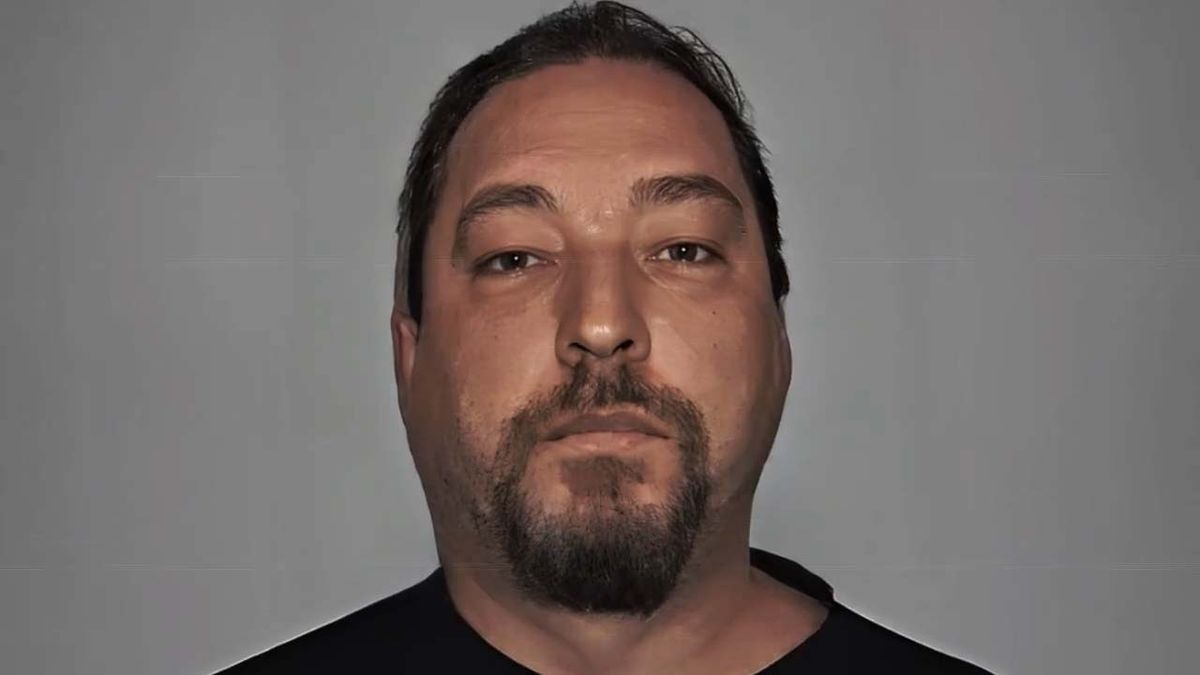 |
Bryan Gibson upon his arrest. Photo: Crime Insight |
Initially, Bryan claimed to be a victim himself, stating that an intruder had attacked him before fleeing Jennifer's apartment. However, this statement was quickly doubted when investigators discovered evidence linked to Bryan during the crime scene investigation, including personal items, a belt, gloves, a Pinkerton security hat, and a knife believed to be the weapon used in the attack.
Bryan was arrested the evening of 15/4. He was convicted of attempted murder and sentenced to 20 years in prison on 8/5/1996.
Bryan was released in 4/2015 after serving his sentence. According to the Texas state registry, Bryan is currently on the list of registered sex offenders required to register with authorities.
Dispute with security company
After the criminal case concluded, in 1998, Jennifer pursued a civil lawsuit against Pinkerton Security. She argued that the company was liable for hiring and assigning Bryan as a security guard at the apartment complex, where he had access to residents.
Bryan began working for Pinkerton Security in 1992, earning 5,25 USD/hour. Over the next three years, he was transferred at least two times due to conflicts with clients.
Jennifer's lawyers accused Bryan of lying about his educational background on his job application, but Pinkerton failed to adequately verify information before hiring him. The company also did not adequately assess warning signs related to this employee, choosing not to fire him but merely transferring Bryan to different duties whenever problems arose.
The lawsuit also addressed Pinkerton's psychological screening process for applicants. Jennifer's side argued that the company used an assessment method that was not comprehensive enough during the employee selection process.
According to reports, from 1991 to 1995, 130 Pinkerton security employees were convicted of criminal offenses in Texas alone.
Pinkerton denied legal responsibility in the incident but ultimately reached a settlement with Jennifer in 1998. The settlement amount was not disclosed.
After the case, Jennifer opened her own law office and became a successful family law attorney in the Fort Worth area. She maintained a friendship with coordinator Richard Everett, even inviting him to her wedding and dancing with her.
Tue Anh (according to 9News, Mirror, Houston Press)