Drug traffickers are increasingly using sophisticated chemical methods to bond cocaine to various substances, altering its molecular structure to evade detection by sniffer dogs and scanners. The National Crime Agency (NCA) in the UK, along with Europol, recently highlighted this growing trend in their annual reports, noting a significant shift in smuggling techniques over the past two to three years.
Graeme Biggar, Director General of the NCA, revealed that chemists are now bonding illicit substances in South America before shipping them to destinations like the UK, where they are then extracted. Police worldwide have identified 150 such cases of chemical concealment since 2022, indicating a global challenge.
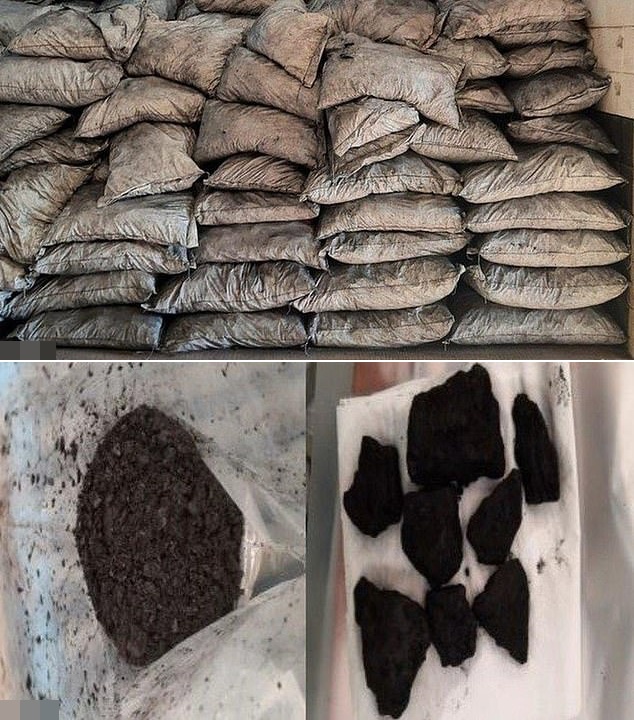
A notable incident in June 2023 at London Gateway port exemplifies this new method. NCA officers intercepted a shipment from Panama containing 800 sacks of charcoal. Upon closer inspection, they discovered the charcoal contained chemically bonded cocaine. Two men, aged 50 and 31, were subsequently arrested in Leicestershire on suspicion of drug importation. The amount of cocaine that could be extracted from these 800 sacks was valued at up to 120 million British pounds.
 |
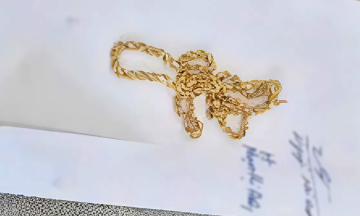
In a case dismantled in 2021, a smuggling gang imported one million British pounds worth of cocaine from Colombia into the UK by dissolving it in varnish, then painting it onto the handles of 580 brooms. *Photo: PA* |
The evolution of these concealment tactics dates back to the 1980s, when unusual jeans, stiff and heavy with a faint chemical odor resembling camphor, began appearing at cargo terminals in the US. These Colombian-origin jeans were part of a sophisticated smuggling scheme pioneered by drug lord Pablo Escobar. The denim was soaked in a cocaine and water solution, dried, and then hidden within legitimate clothing export shipments to the US. Once across the border, the cocaine was extracted and sold for exorbitant prices. This method marked a revolution in drug trafficking, showcasing a new level of sophistication by infusing cocaine into goods rather than simply concealing it in conventional shipments.
In the decades that followed, organized crime groups perfected Escobar's methods, mixing cocaine with various carrier substances such as wax, printing ink, and paint. Cocaine was also soaked into cardboard and even impregnated into plastic consumer products like fish tanks and car lights. In these earlier methods, the cocaine, though disguised or dissolved, remained chemically intact and could still be detected by sniffer dogs, tests, and scanners.
 |
The current challenge, according to Adam Thompson, head of drug threat at the NCA, is that smugglers are no longer merely mixing cocaine with other substances. They are using sophisticated chemical processes to bond the cocaine, which alters its molecular structure. This means it is no longer cocaine hydrochloride, its typical chemical form, and consequently, it often bypasses detection by sniffer dogs and conventional scanners.
The proliferation of laboratories dedicated to extracting and processing cocaine from these carrier substances is evident across Europe. In the Netherlands alone, 76 such sites were discovered between 2020 and 2023. The complexity of these operations requires chemists to travel from the point of origin to the destination to personally oversee each stage, as each chemist possesses a unique formula and method for chemically bonding the cocaine.
In response, the NCA is adopting an "intelligence-led investigative approach" to identify suspicious shipments that require detailed testing. The agency is also collaborating with international partners to develop new testing methods applicable at borders. Despite these efforts, Thompson notes that the scale of chemical concealment methods is relatively small due to the complex, costly process and the need for highly specialized chemists. He assesses that criminal gangs still prioritize traditional cocaine importation methods to save costs.
By Tue Anh (via Daily Mail)