Ms. Thich, 52, from Tu Xuyen province, married Mr. Du in 1999. For years, they were friends with Ms. Trinh, 47, and her husband. In 2016, while both families were working in Son Tay province, Ms. Thich and Ms. Trinh grew close, becoming best friends.
In 2022, while charging Mr. Du's phone after he had been drinking, Ms. Thich inadvertently discovered intimate WeChat messages between her husband and Ms. Trinh. The pair addressed each other as "husband" and "wife". Their WeChat transaction history also revealed transfers of 520 yuan and 1,314 yuan, amounts that, when pronounced in Chinese, symbolize "I love you" and "forever and ever".
Mr. Du later admitted to starting an affair with Ms. Trinh in 2018, meaning the relationship had been ongoing for four years when Ms. Thich discovered it.
Ms. Thich was deeply shocked by the betrayal from her husband and best friend. Mr. Du vowed to end the affair with Ms. Trinh, but he did not.
Unbeknownst to Ms. Thich, her investigation revealed that Mr. Du had transferred a total of 791,316 yuan to Ms. Trinh over four years: 649,316 yuan via WeChat and 142,000 yuan through bank transfers. Conversely, Ms. Trinh transferred 447,822 yuan to Mr. Du via WeChat. This meant Ms. Trinh ultimately received 343,494 yuan from Mr. Du.
Facing betrayal by her husband and best friend, and significant financial loss, Ms. Thich sued Ms. Trinh, demanding the return of the full 343,494 yuan she deemed illicitly gained.
In court, Ms. Trinh argued the money was not a series of "gifts" but rather legitimate economic transactions. She claimed it included payments Mr. Du owed her husband for projects and debts incurred by Mr. Du while playing mahjong at her establishment.
The first-instance court acknowledged the existence of economic transactions between the two, concluding that not all the money could be classified as "gifts". It therefore ordered Ms. Trinh to return half the amount: 171,747 yuan.
Ms. Thich appealed, asserting that her husband had unilaterally gifted marital property without her consent, and she refused to accept only recovering half.
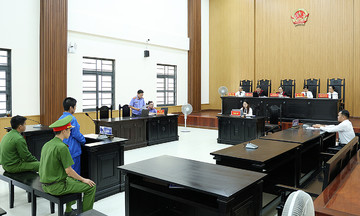
On 7/11, the Ba Trung City Intermediate People's Court in Tu Xuyen province delivered a significantly different verdict, stating the first-instance court had misapplied the law.
The appellate court ruled that marital common property cannot be unilaterally disposed of. Mr. Du had transferred a substantial sum from their joint assets to Ms. Trinh during their marriage without his wife's consent, rendering the transfer invalid.
Furthermore, the affair between Mr. Du and Ms. Trinh violated social and family ethics, invalidating any financial transfers based on this relationship.
Ms. Trinh also failed to provide sufficient evidence to substantiate her claims of "economic transactions", unable to prove the transfers were for project payments or debt repayment.
Consequently, the appellate court overturned the initial ruling, ordering Ms. Trinh to return the full 343,494 yuan to Ms. Thich.
Tue Anh (Source: Tide News, China Court)