Improper temperature control when boiling pork
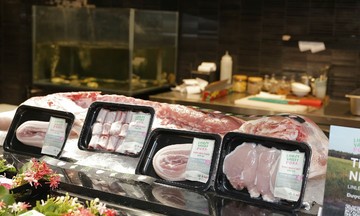
Many mistakenly boil pork at high heat, believing it speeds up cooking. In reality, rapid temperature increases cause proteins in meat and food tissues to contract abruptly, expelling flavorful juices and dissolved nutrients. This results in dry, less sweet dishes and cloudy broth.
Depending on its intended use, pork can be boiled starting in cold water or simmering hot water. If the broth is to be used for soup, starting with cold water helps sweet compounds dissolve gradually, creating a naturally flavorful stock. Conversely, adding pork to simmering hot water causes the outer layer of protein to contract, minimizing nutrient loss.
The key lies not in the initial water temperature, but in subsequent temperature control. Once the water boils, reduce the heat to a gentle simmer. A stable temperature allows muscle fibers to relax gradually, redistributing flavorful juices throughout the meat, ensuring it remains tender and juicy.
 |
Overcooked vegetables lose their flavor
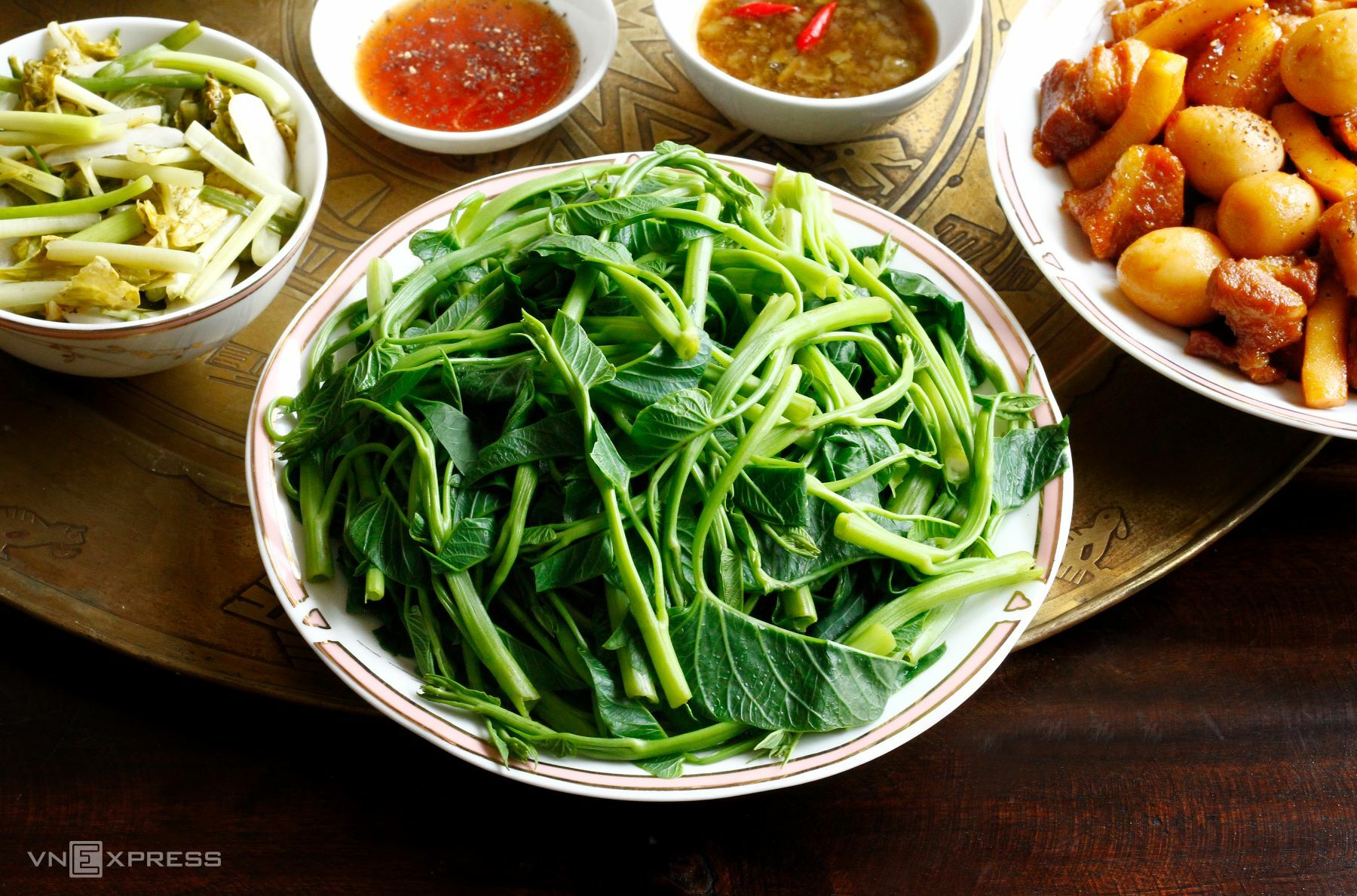
For green vegetables, the most common mistake is boiling them for too long. Chlorophyll in vegetables is sensitive to heat. Prolonged exposure to high heat breaks down the chlorophyll structure, causing vegetables to turn dull, become mushy, and lose their crisp sweetness.
Green vegetables should be boiled in vigorously boiling water for a short time and removed immediately once just cooked. Keeping the pot lid open allows steam to escape, preventing vegetables from "reverse steaming" in the hot pot. Properly boiled vegetable water is typically clear, has a light natural sweetness, and is free of cloudiness or strong odors.
Torn chicken skin from high heat
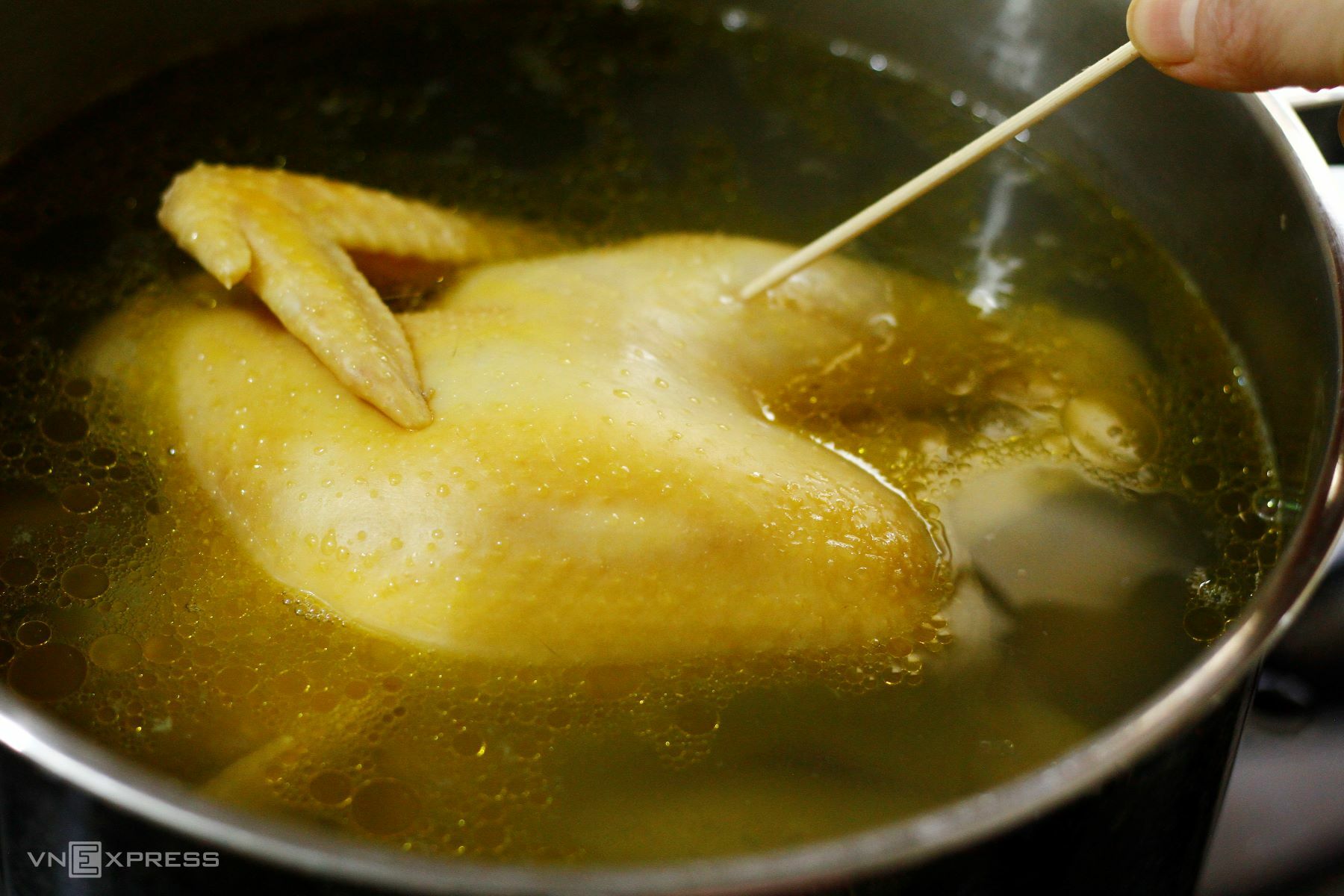
Boiling chicken seems simple but is prone to errors in heat adjustment. When boiled vigorously, chicken skin contracts suddenly, especially the part touching the bottom of the pot, causing it to tear. Meanwhile, thicker parts like the breast may not cook evenly, leading to dryness.
The most common method shared by experienced home cooks is to place the chicken in cold or warm water, ensuring it is submerged, with a small plate at the bottom of the pot. After the water returns to a boil, reduce the heat to a gentle simmer and maintain it. Many cooks often turn off the heat and allow the chicken to steep, cooking it evenly with residual heat. This gentle, stable temperature ensures the meat cooks thoroughly from the inside out, resulting in taut, untorn chicken skin.
 |
Fishy boiled fish due to incorrect timing
The fishy smell of fish stems not only from its freshness but also from the boiling method. Adding fish to cold water allows the temperature to rise slowly, giving odor-causing compounds time to dissolve and permeate the flesh.
The correct way to boil fish is to first bring the water to a vigorous boil, add ginger and smashed shallots, and then add the fish. The initial high heat "locks in" the fishy smell, keeping the flesh firm and more aromatic.
Boiling eggs and the challenge of timing
Boiling eggs is most commonly mistaken in timing. A strong boil from the start can easily crack the shells, while boiling for too long causes the yolk to develop a gray-green ring around the outside due to a reaction between sulfur and iron.
A more stable method is to place eggs in cold water, bring it to a slow boil, and then time according to the desired doneness. After removing them, submerging the eggs in cold water stops the cooking process and makes them easier to peel.
Bui Thuy