Thu Hien, 32, a department head at a private bank in TP HCM, describes her weekends as quite interesting, filled with diverse experiences. Sometimes she spends all of saturday and sunday cycling in the forest, completely disconnected from the urban pace. Other times, she wanders around the city exploring new cafes and fashion boutiques.
"Compared to when I first graduated from university, my consumer behavior has completely changed. I don't hesitate to spend on activities that offer experiences, life exploration, and a way to express my distinct self," she said.
Similarly, Thao Trang, 29, from Hanoi, enjoys reading, watching movies, and shopping on weekends. She often treats herself to short trips to luxury resorts near the city.
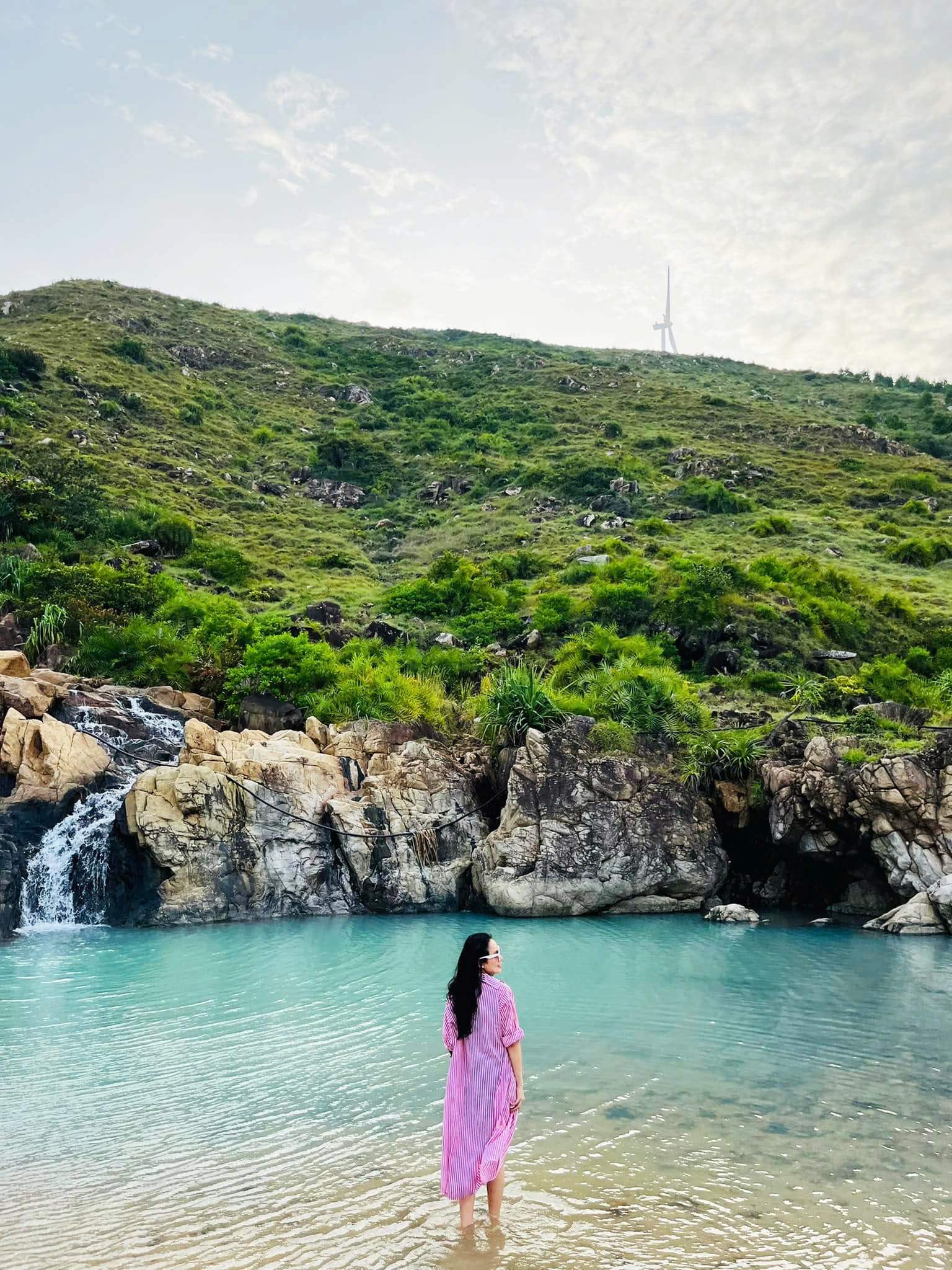 |
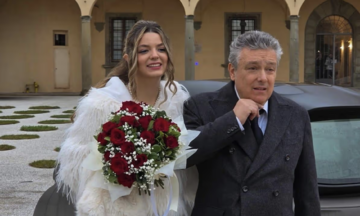
Many young people are spending more on experiential activities and life exploration. Photo: Bich Tuyen |
It is not just Hien or Thao Trang. In recent years, Vietnamese consumer behavior has shifted noticeably – from the need for "eating enough, dressing warmly" to "eating well, dressing beautifully, living a quality life." Many are willing to spend more than the average price for an item of clothing, not just for its durability or beauty, but because it is trendy and reflects a unique aesthetic. A meal is no longer just to satisfy hunger; it must also meet criteria such as taste, cleanliness, presentation, and provide a memorable experience.
Instead of focusing on utility or price, consumers are increasingly interested in design, brand narratives, product meaning, the shopping experience, and, above all, the ability to express personal identity. Consumption is no longer a purely economic act but has become part of asserting "who I am."
Consumers spending more on intangible values signals that the experience economy (or lifestyle economy) has formed and entered a strong growth phase. Scholars B. Joseph Pine II and James H. Gilmore introduced this concept in the late 1990s. They pointed out that a business, and by extension a robust economy, thrives not just on selling tangible products but on the synergy of "selling" intangibles such as emotions and stories. The more unique, personalized, and emotionally profound the experience, the higher the willingness to pay.
Another term gaining prominence is "neo-localism," first noted by James R. Shortridge, a professor of cultural geography at the University of Kansas (US). Initially, this concept was observed through the craft beer movement and local agricultural products in the US, later spreading to tourism, design, art, and marketing.
In branding, neo-localism is seen as a philosophy combining identity and modernity, meaning a brand is not just a product but a cultural memory retold in a global language. Consumers are not just buying goods; they are seeking cultural meaning and a sense of belonging.
At an economic level, neo-localism is not just a cultural movement but a sign of a shifting development model. Instead of competing on low prices or technology, countries like Japan and Korea have exported emotions, lifestyles, aesthetic philosophies, and cultural symbols.
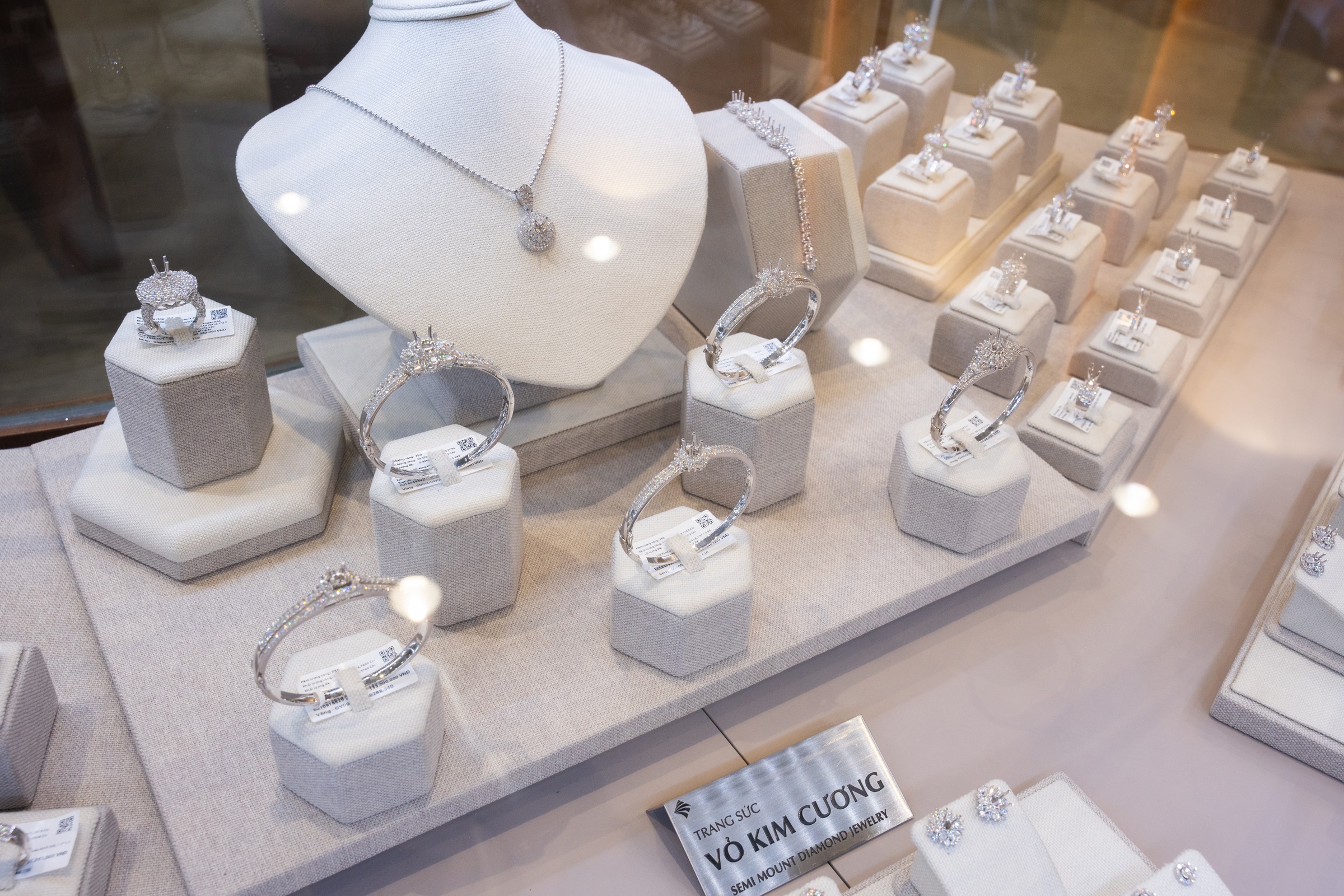 |
Consumers are increasingly interested in design and brand narratives. Photo: Viet Hung |
In Vietnam, the rapid development of experience economy models stems from several reasons. Firstly, improved average income and the fast growth of the middle class lead to premium demands such as self-care, enriching experiences, and enjoying life.
The prevalence of technology and international integration allows consumers to easily access global trends. The increasing influence of social media celebrities also helps shape new standards for beauty and quality of life.
The transformation of the experience economy is most evident in TP HCM, a city with a large population, an open culture, and high spending on lifestyle experiences. The blend of tradition and modernity, coupled with diverse business activities, makes TP HCM an ideal hub to become a "lifestyle economy leader."
However, a major challenge for businesses in this evolving experience economy is their capacity to design experiences, the quality of service personnel, and long-term investment strategies. For success, businesses cannot merely transform superficially; they must change their mindset: from selling products to creating emotions and life values.
In recent years, many companies have experimented with models and products focused on the experiential element. They invest in space design, personalize services, and integrate technology to transform shopping into an emotional journey. Instead of asking "what do customers need to buy?", they focus on answering "who do consumers want to be, and how do they want to live?". From this, management builds product and service portfolios that meet specific needs to foster long-term engagement.
In the retail sector, PNJ was among the first to understand the demand for expressing lifestyle and personal identity, thereby improving both products and the shopping experience. Based on deep customer understanding, the company continuously introduces new collections to cater to diverse needs, styles, ages, and budgets.
Each collection incorporates meaningful stories, spreading inspiration for beauty to every individual. Beyond serving women, the company also launched Mancode by PNJ, a jewelry brand specifically for men.
In recent years, the phrase "differentiating consumer experience" has frequently been mentioned in PNJ's business development strategy. The company increases the creative content in design and communication messages, ensuring each product reaching consumers expresses a personal touch.
The company also innovates its marketing campaigns and sales programs with a focus on personalized experiences and diversified activities. Both online and offline display spaces are upgraded, and sales processes are improved to provide a smooth shopping experience. As a result, both new customer acquisition and the return rate of loyal customers have increased significantly.
The company's leadership believes technology is the foundation for its transformation from a traditional jewelry manufacturer and retailer to a modern lifestyle retailer. Therefore, the company is accelerating the application of technology in consumer behavior research and personalized design, tailored to each customer segment.
"We view expanding our portfolio from jewelry to lifestyle products as a key growth driver for the 2025-2030 period. We hope that by increasing the scale of our retail chain, enhancing operational efficiency, expanding our distribution network, and improving customer experience, PNJ will become a leading lifestyle retail brand in the region within the next few years," a company representative added.
Phu Cat