Faced with the pressures of an aging population, the burden of chronic diseases, and rising healthcare costs, experts suggest it is time for a paradigm shift. Instead of treating illnesses reactively, a proactive model prioritizing prevention is essential. This approach will not only build healthier communities but also ensure the sustainable operation of healthcare and social welfare systems in the future.
 |
A prevention model with lifelong vaccination is considered key to building healthier communities. *Photo: Shutterstock* |
Vaccination: The foundation of a prevention strategy
Vaccination is not solely for children; it offers protection for individuals across all life stages. The World Health Organization (WHO) advocates for a life-course approach to healthcare, including vaccination, to ensure continuous health protection from infancy through adulthood to old age. Vaccination is considered one of the most effective public health interventions, second only to clean water in disease prevention.
Vaccine technology is constantly evolving, strengthening prevention strategies through innovations like recombinant vaccines, adjuvants, novel mRNA platforms, and various delivery technologies (MAPS). Adjuvant combinations in vaccines can enhance the immunogenicity of antigens and create vaccines suitable for vulnerable groups. However, a lifelong vaccination strategy is only effective when individuals have personalized vaccination plans and access to vaccines tailored to each life stage, guided by a doctor's consultation.
This personalized approach requires assessing individual risks, such as age and lifestyle. It not only contributes to health protection but also promotes healthy aging and maintains the sustainability of the healthcare system by reducing care costs.
The role of doctors and the community
Doctors and healthcare professionals play a vital role in the shift towards preventive medicine. Alongside medical experts, individuals must also be more proactive: undergoing regular screenings, discussing lifelong vaccination plans with their doctors, and updating their immunization schedules based on age and health status, rather than waiting for illness to seek treatment. This approach protects individuals while reducing the burden on the healthcare system.
Additionally, the community has a crucial role in spreading awareness. Advice from friends, family, or neighbors – close-knit groups – often inspires trust among many. In essence, doctors initiate the process, and the community disseminates the message. When trust is reinforced at both individual and collective levels, prevention becomes a sustainable choice.
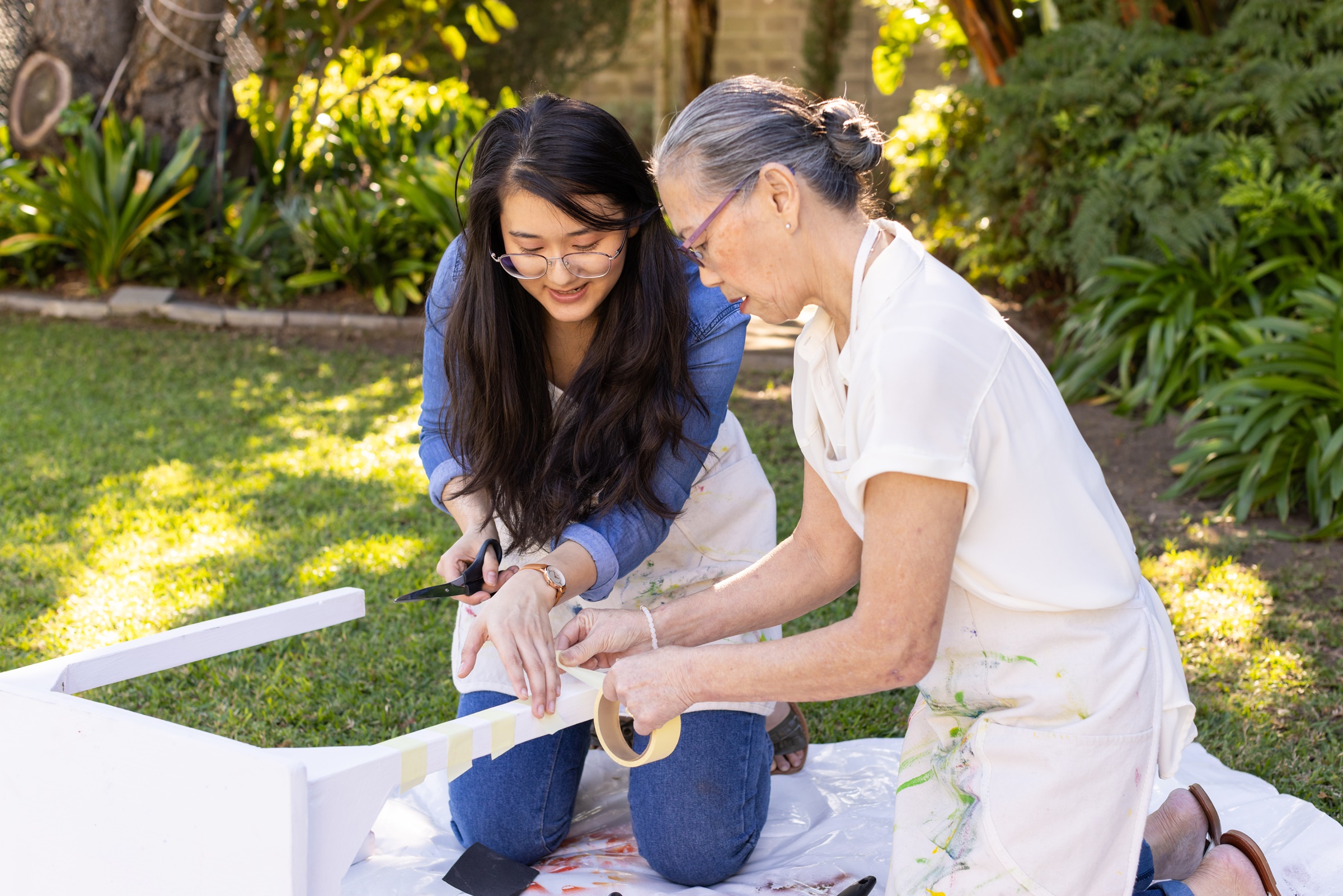 |
The companionship of loved ones also helps raise awareness about proactive healthcare. *Photo: Shutterstock* |
The transition from "patient care" to "proactive healthcare" is also a primary objective for GSK, aiming to establish prevention as a standard of care.
Specifically, GSK approaches prevention with relatable messages that foster emotional connections within the community, thereby encouraging practical action. For example, the music video "Dau yeu" (Loved Ones), released in July, urges people of all ages to proactively care for and protect their loved ones.
Vaccination is not merely a healthcare strategy; it is a responsibility to oneself, family, and society. Proactively preventing illness is how we collectively build healthier communities for the future.
Lan Anh