Wang, 22, in Shanghai, often receives her favorite bubble tea after work. Her boyfriend does not wait for anniversaries to give luxury brands; instead, he brings home small, thoughtful items that align with her preferences. "It's a testament to his understanding and thoughtfulness," Wang said.
Comic artist Xiao Wu also frequently shares items her boyfriend brings her. These include a bag of hot chestnuts bought hastily from the street or snacks distributed at the office. "I don't lack these things, but the feeling that he remembers me brings me peace of mind," Wu shared.
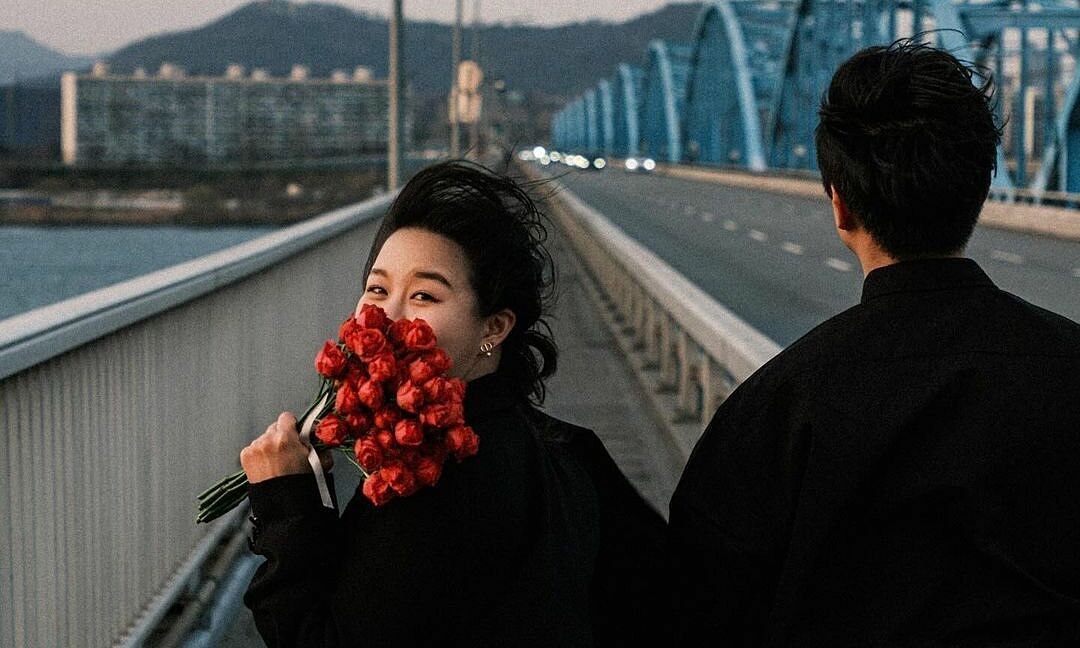 |
Illustrative photo: Pexels |
Boyfriends like Wang's and Xiao Wu's are known as "hunter-type boyfriends." This term is currently generating significant discussion on dating forums in the populous country.
Here, "hunter" does not imply possessiveness or viewing the partner as prey. Instead, it describes individuals with an instinct to share with loved ones. For them, every small detail of daily life can become a gift. The material value of these items is often low, mostly under 20 CNY (about 70,000 VND), sometimes even free, such as an unusually shaped leaf.
The common thread among these gifts is the partner's presence in the giver's mind, even when they are not together. A back pillow for someone who often works overtime, or a few candies from a company party, become practical emotional connections.
Explaining this trend, Xie Shize, a doctoral candidate in neuroscience at Zhejiang University, suggests this behavior relates to genetic codes from prehistoric times. Then, males bringing food to share with their families demonstrated survival capability and bonding.
"Those willing to share resources, even the smallest, often build trust. This shows they prioritize their loved ones' interests over personal needs," Xie analyzed.
The "hunter-type boyfriend" is seen as a more practical evolution of the "warm guy" (Nuan nan) concept, which was popular a decade ago. While "warm guys" leaned towards an idealized compassion, "hunters" demonstrate care through concrete actions, meeting the need for attention in today's high-pressure life.
This trend emerges amid a declining marriage rate in China and a growing pragmatism among youth in relationships. According to iiMedia research, financial pressure and worries about a partner's selfishness are major barriers deterring young people from marriage.
In this context, the "hunter" approach becomes an effective filter. Many women state they would rather be single than be with someone unwilling to share. Giving a practical gift is valued more than empty promises. "Giving something tangible is more practical than saying 'I love you' 100 times," a social media user commented.
Experts, however, caution against confusing this thoughtfulness with using small gifts to mask irresponsibility in larger issues.
"Care is only truly valuable when built on a foundation of respect and long-term commitment," Xie Shize said.
Thanh Thanh (The Star, SCMP)