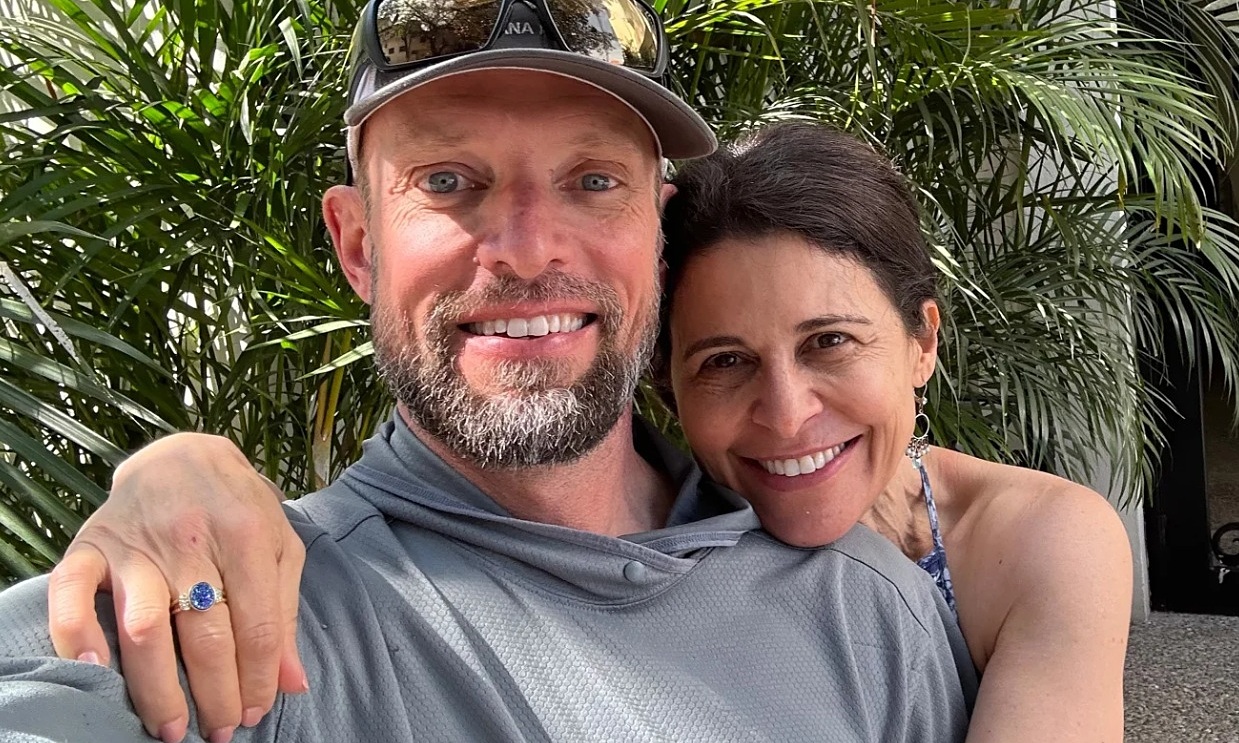
Journalist John Kelly of The Washington Post once sparked a debate about the optimal time to shower after a conversation with three colleagues of Asian descent: Yao (China), Joyce (Hong Kong), and Pallavi (India).
His Asian colleagues asserted that going to bed without showering after a day out means bringing sweat and dirt into one's resting space.
Kelly, however, maintained his morning shower routine to wash away overnight sweat and prepare for work. For him, a warm morning shower provides alertness, setting a ready mindset for the workday.
Morning showers are common in many Western countries. An online survey conducted by The Harris Poll in 2/2024 among over 2,000 adults in the US found that 60% chose to shower between 5h and 12h, while only 33% showered between 20h and 4h the next morning.
Similarly, in the UK, a 2025 survey by energy company Utilita showed that 57% of individuals with fixed routines opted for morning showers. Explaining this choice, 70% of participants sought refreshment to start their day, and 50% used warm water to shake off drowsiness.
Conversely, evening showers are prevalent in many Asian countries. A 2024 survey by market research firm Ipsos indicated that 61% of Chinese consider a shower or hot bath an essential routine before bedtime. In Japan, survey data from 2,600 residents in the Tokyo area showed that during winter, people typically shower between 20h and 23h, with nearly 86% maintaining the habit of soaking in a hot bath.
According to sociologists, differences in showering times stem from climate conditions and labor history. In many Asian countries with hot and humid tropical and subtropical climates, the body sweats more and accumulates dirt easily when moving outdoors. An evening shower helps cleanse away the day's grime, establishing a hygienic boundary between the external environment and the living space.
Joyce mentioned her family strictly adheres to this boundary. "My mother always has a separate set of clothes for home. She finds it puzzling if someone wears their street clothes or sits on the bed without having showered", Joyce stated.
Meanwhile, in temperate countries like the US or the UK, cooler weather results in less daytime sweating. Morning showers become a routine for personal grooming, essential for office life. This was evident when work schedules shifted: during the 2020 pandemic when working from home eliminated the need for business attire and client meetings, journalist Kelly abandoned his morning shower habit, switching to evening showers to relax after work.
 |
Illustration: Pexels |
Dr. Hoang Tien Trong Nghia, Head of the Neurology Department at Military Hospital 175, previously told VnExpress that the correct showering method is more important than the timing. He advised using warm water, around 37-40°C, and limiting shower time to 5-10 minutes.
Certain individuals, particularly the elderly or those with hypertension or coronary artery disease, need to be cautious. One should avoid showering immediately after consuming alcohol, when extremely hungry, right after a full meal, or following strenuous exercise. It's advisable to wait until the body stabilizes and heart rate returns to normal before showering.
Additionally, one should not suddenly douse themselves with cold water, shower too late at night, or immediately after waking up early in the morning.
For healthy individuals, there is no evidence that evening showers increase the risk of stroke. The true concerns lie with accompanying factors such as showering with excessively cold water, showering after drinking alcohol, showering when the body is overly fatigued, or in individuals with uncontrolled cardiovascular disease or hypertension.
Ngoc Ngan (According to The Washington Post, Sleep Medicine Reviews)