Aluminum foil is commonly used for baking or covering food during cooking, but nutrition experts suggest it is not an ideal material for storing leftovers.
According to Angel Luk, a nutrition expert in Vancouver, Canada, aluminum foil itself does not cause bacterial growth, but the way it is used to cover food creates a risk. When folding the edges of aluminum foil around a plate or bowl, air can still penetrate. This allows bacteria such as Staphylococcus, often found in meat and poultry, and Bacillus cereus, present in rice and starches, to multiply rapidly.
Concerningly, the toxins produced by these bacteria are not destroyed even by high-temperature reheating, posing a food poisoning risk to consumers.
Second, aluminum foil retains heat well. If you wrap food while it is still hot, the foil 'locks' in the heat, keeping the food in the 'danger zone'—between 5 and 60 degrees C—for an extended period. This temperature range is ideal for bacteria to multiply exponentially.
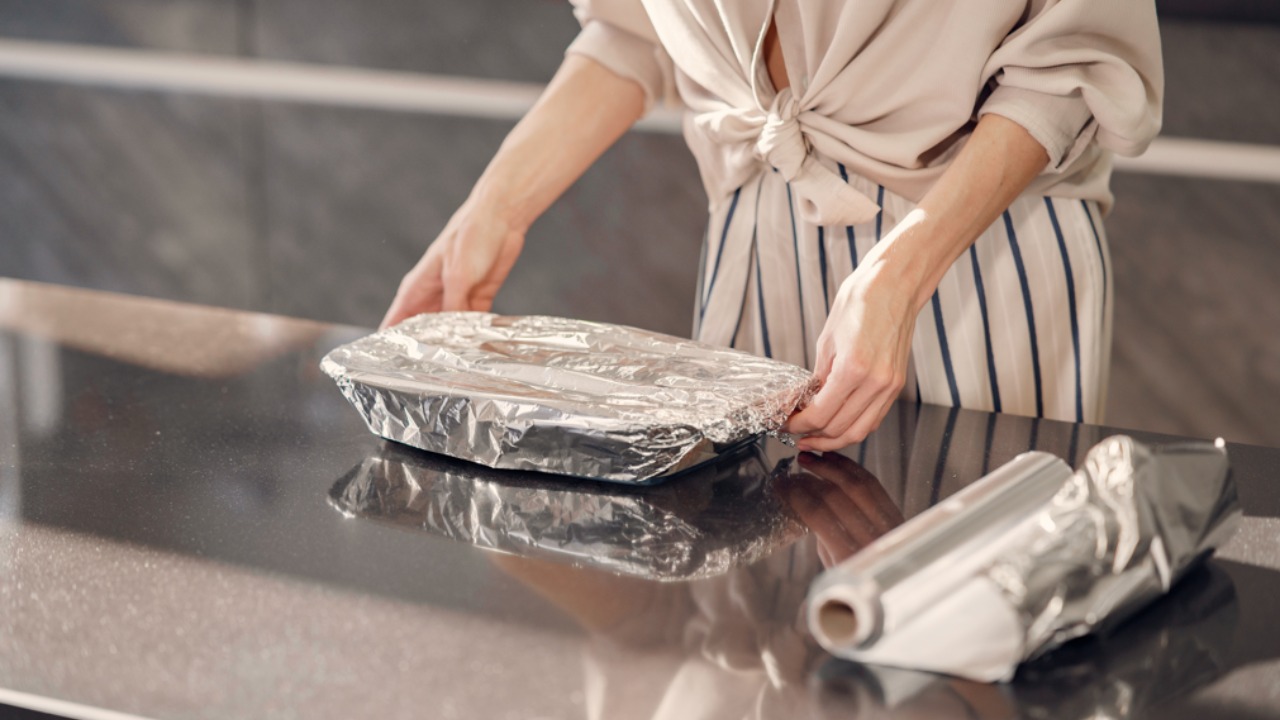 |
Illustration: *Health and Me*. |
Deadly Risk with Potatoes
A common and dangerous mistake is wrapping baked potatoes in aluminum foil before refrigerating them. The oxygen-deprived environment created by aluminum foil is ideal for the growth of Clostridium botulinum. This bacterium releases toxins that cause botulism, which attacks the central nervous system and can lead to paralysis or death.
Doctor Jill Roberts from the University of Florida, US, advises: "Never keep unpeeled baked potatoes in aluminum foil." In addition to the lack of oxygen, potato skins often contain dirt and bacteria, even after washing, increasing the risk of cross-contamination.
Chemical Reaction with Acidic Dishes
For acidic dishes such as sweet and sour ribs, lemon chicken, or tomato sauce pasta, direct wrapping with aluminum foil can cause the material to break down. Aluminum can leach into the food, altering its flavor and potentially posing long-term health risks if accumulated.
Alternative Solutions
According to the US Food and Drug Administration (FDA), the safest way to store leftovers is to use high-quality glass or plastic containers with airtight lids.
Airtight containers help prevent oxygen and bacteria from entering, slowing down the spoilage process. However, the 'two-hour rule' must be observed: cooked food should be refrigerated within two hours (or one hour if the ambient temperature is very hot).
For leftovers stored in the refrigerator, experts recommend consuming them within three to four days. If frozen, the storage period can extend up to six months.
Ngoc Ngan (According to *Reader's Digest*)