Le Triet Dai Dung, 53, exemplifies the daily struggle in Bai Xep village, Quy Nhon Nam ward. Nearing noon, he goes to the communal well, about 100 meters from his house, to pump water for household use. His four-person family pumps water two to three times a week, a process that takes about 30 minutes to fill a 1,000-liter tank due to the long pipeline. Some days, when water levels are low, the pump waits several hours to draw enough.
 |
Dai Dung pumps water from a well about 100 m from his house. *Photo: Tran Hoa* |
Summer poses the biggest challenge. Water demand increases while well water levels decrease, forcing many to wait until late at night for their turn. The well water in Bai Xep is brackish, only suitable for daily activities like washing. For drinking and cooking, families must buy bottled water.
Dung's family, which also runs a seafood business, faces even greater water needs. Since the well water is insufficient for his restaurant, he purchases additional water from a pipeline fed from the mountains. Bai Xep has fewer than 10 public and private wells. The well in the village center, about 10 meters deep, is shared by nearly 20 pumps. Households without wells or those seeking an alternative can buy water from the mountain pipeline for about 13,000 VND per cubic meter. Some families share wells or use water provided by nearby homestays, restaurants, and hotels. Tran Minh, 44, who sells bottled water to villagers, also sources his water from this mountain pipeline at the same price. While these temporary solutions provide immediate water access, they do not meet the demand for a stable supply.
 |
Many households buy water for daily use from mountain pipelines. *Photo: Tran Hoa* |
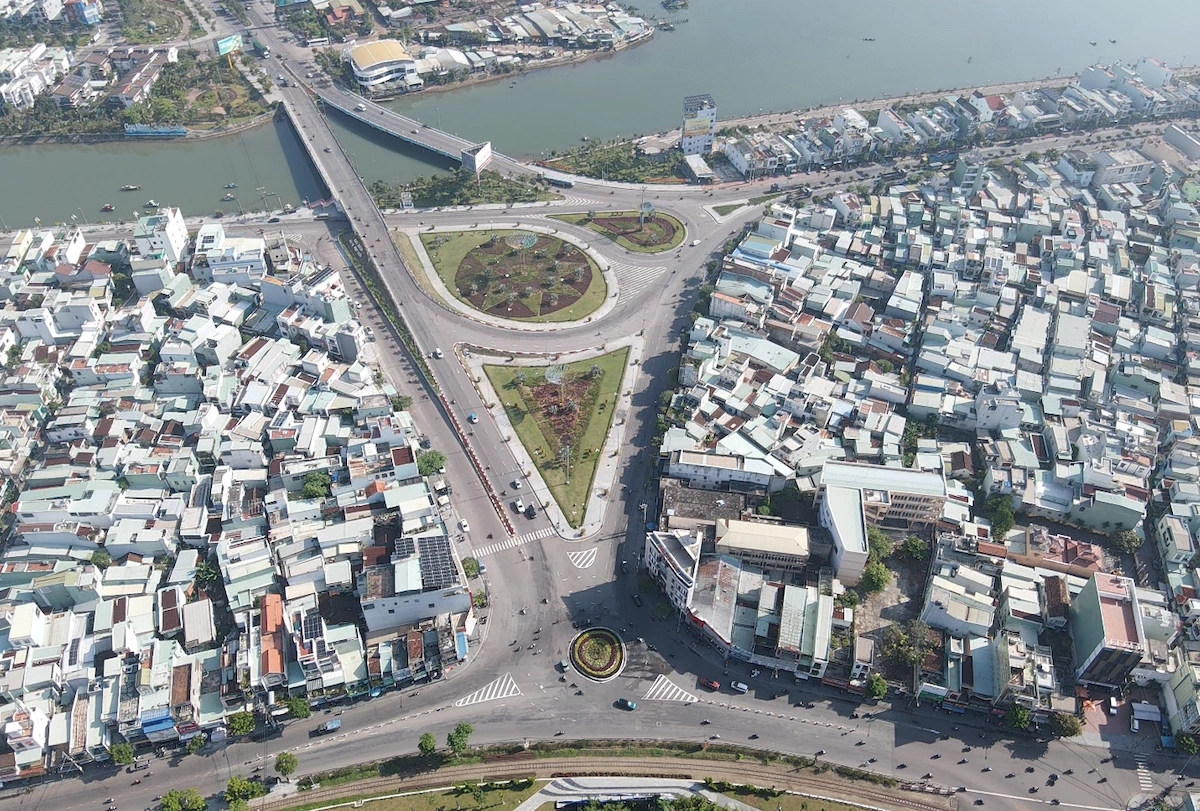
Bai Xep is located over 10 kilometers south of Quy Nhon city center. Once a quiet fishing village, it has steadily gained recognition as a tourist destination, leading to a growing number of homestays, restaurants, and seafood eateries. Neighborhood 16, which encompasses Bai Xep, currently has about 200 households and nearly 900 residents, all contributing to the escalating water demand.
 |
The tourist coastal village of Bai Xep is situated along National Highway 1D, over 10 km from Quy Nhon city center. *Photo: Tran Hoa* |
Local authorities acknowledge the problem and are working towards a solution. According to Nguyen Thi Bich Hoa, Chairwoman of the Quy Nhon Nam Ward People's Committee, the Department of Construction, in coordination with the Department of Finance, the Ward People's Committee, and Binh Dinh Water Supply and Sewerage Joint Stock Company, previously developed a water supply plan for Bai Xep and other tourist spots along the Quy Nhon - Song Cau route within the ward. The proposed plan includes building a booster pump station with a capacity of 500 cubic meters per day and night, along with a pipeline to residential areas and tourist sites, at an estimated cost of about 21 billion VND. However, the local authorities have not yet secured the necessary resources and personnel for implementation.
In early September, following a proposal from the Ward People's Committee, the Provincial People's Committee assigned the Department of Construction to prepare an investment policy report for a clean water supply project for Neighborhood 16 and tourist areas. The Department of Finance was tasked with proposing funding sources for the project.
Tran Hoa