On the morning of 31/7, Thu Lam commune launched a program to establish a socialist commune and initiated the "Day of Action for a Socialist Commune" on 1/8.
Speaking to the press on the sidelines of the event, Nguyen Xuan Luu, vice chairman of the Hanoi People's Committee and deputy head of the Steering Committee for building socialist commune and ward models, explained that Thu Lam and Phuc Thinh were chosen for the pilot project based on several criteria: geographical location, cultural foundation, development potential, staff quality, and public consensus.
However, Luu emphasized that this initiative is not exclusive to these two localities. With a system of 54 criteria for building socialist communes and wards, all 124 other communes and wards in Hanoi can study and select suitable criteria to implement based on their actual conditions.
The city anticipates that by the time the project is reviewed and concluded, many more localities will have adopted the socialist commune and ward model, extending beyond the two pilot communes.
"We believe that with the determination of the entire political system, the consensus of the people, and public support, the pilot model will be gradually expanded throughout the capital," Luu said, adding that the city's leadership and the aspirations of its residents are for Hanoi to become a socialist capital by 2035, with the model originating from its communes and wards.
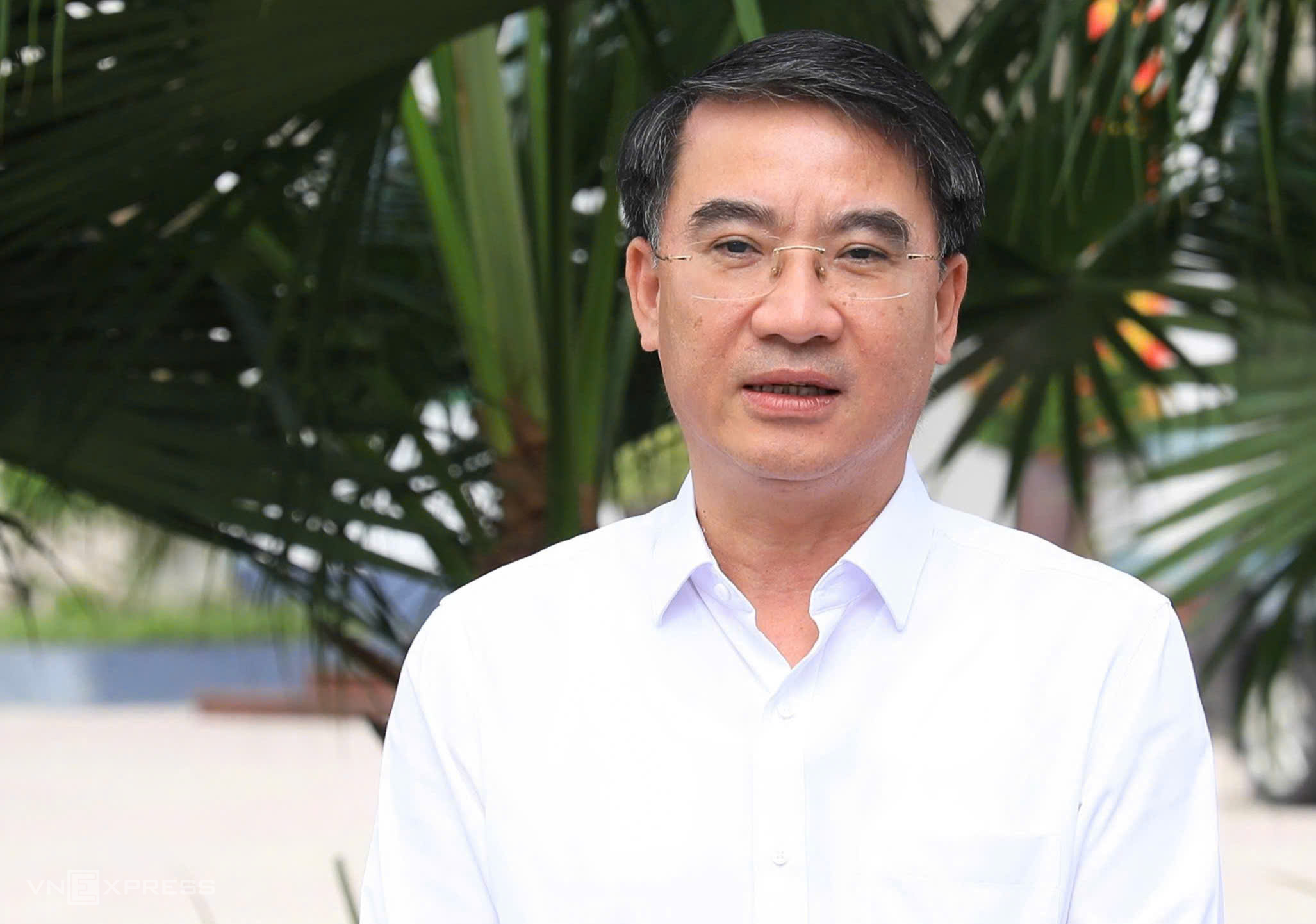 |
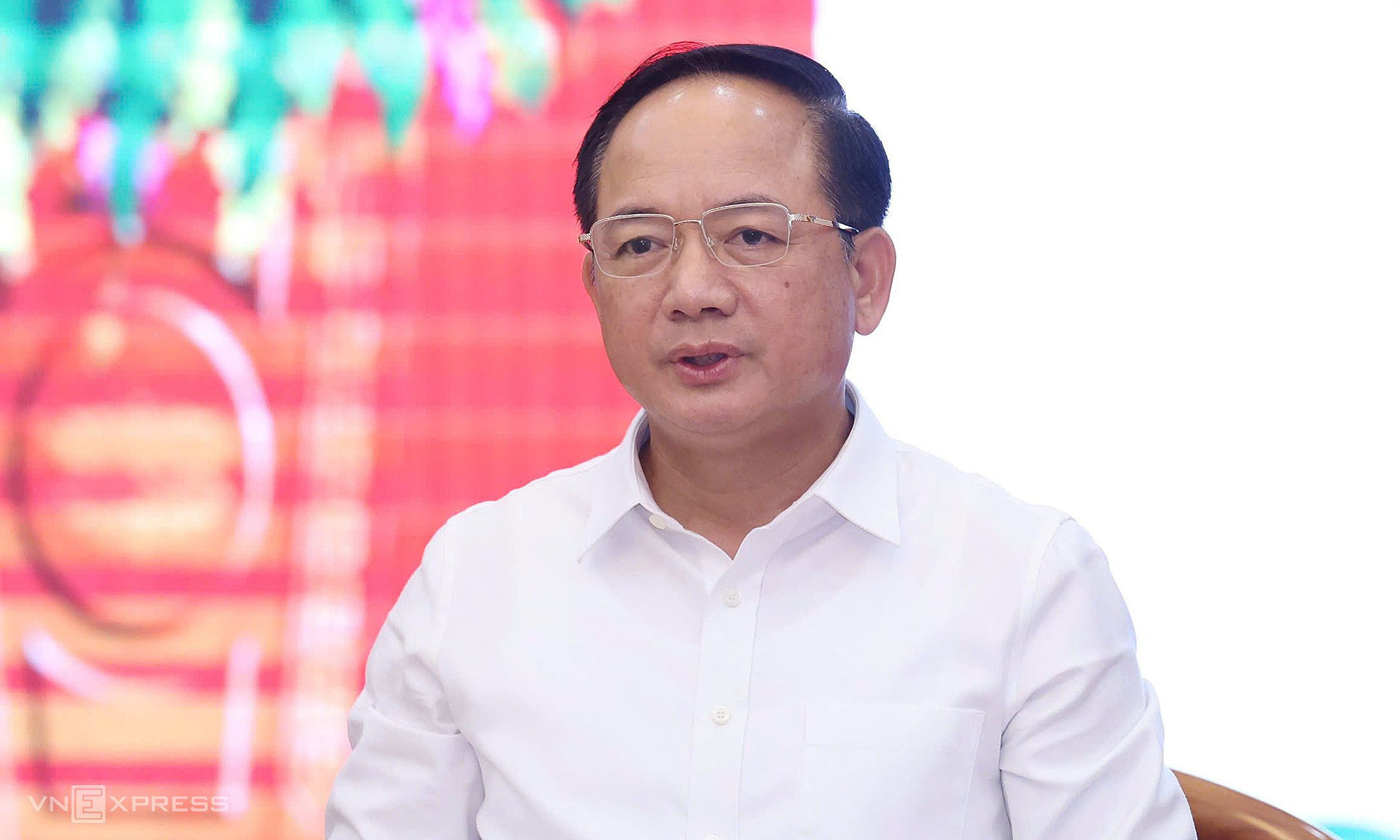
Nguyen Xuan Luu, vice chairman of the City People's Committee, spoke to the press on the morning of 31/7. Photo: Hoang Phong |
According to the vice chairman of the Hanoi People's Committee, the set of criteria for building socialist communes and wards includes 54 criteria: 52 quantitative criteria and two comprehensive criteria, which are the level of satisfaction and the happiness index of the residents.
Based on these, the city has assigned departments and sectors to implement 18 tasks to concretize and refine the criteria, making them easy to understand, implement, and verifiable through specific results. During the pilot phase, Hanoi will regularly assess, review, and adjust the criteria to ensure they are practical, aiming for the ultimate goal of enhancing residents' satisfaction and happiness.
Luu also stated that the city will continue to develop mechanisms and prioritize the allocation of resources and personnel for Thu Lam and Phuc Thinh. This aims to foster development and create a ripple effect, encouraging other communes and wards to participate in implementing the model.
At the launch ceremony, Pham Trong La, chairman of the Thu Lam People's Committee, emphasized that building a socialist commune is not merely implementing another project or a typical emulation movement. Instead, it represents the administration's commitment to better serving its residents.
According to La, this model must be demonstrated through tangible results, such as closer government-citizen interaction, faster administrative procedures, a cleaner living environment, timely support for disadvantaged residents, and a more united, civilized, and safe community.
The chairman of the Thu Lam People's Committee also launched the "100-day action campaign for Thu Lam's development - for the happiness of the people." He demanded that each day bring new initiatives, each week yield results, and each month show clear progress, striving to establish exemplary projects, models, and advanced examples within 100 days.
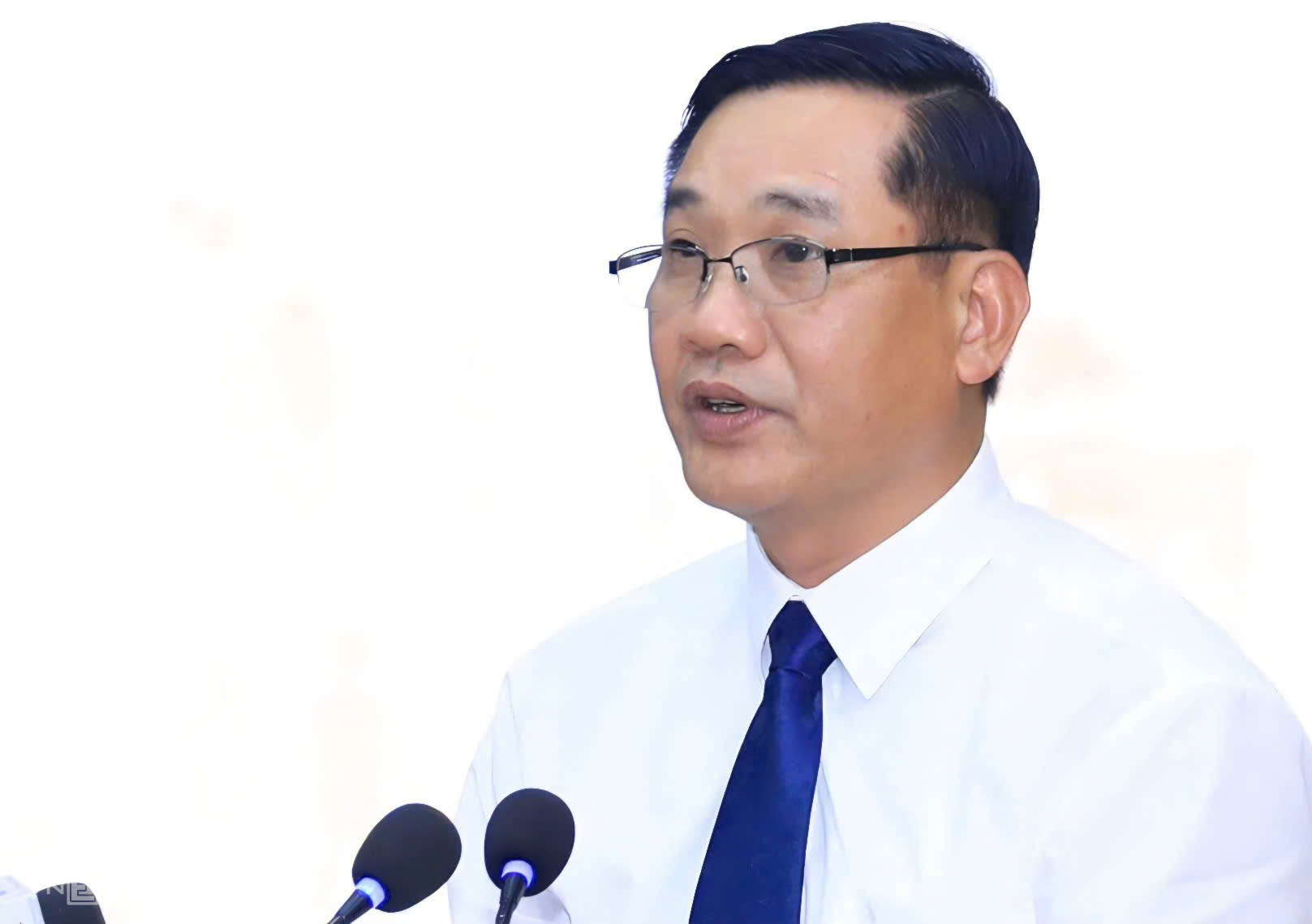 |
Pham Trong La, chairman of the Thu Lam People's Committee, spoke at the ceremony on the morning of 31/7. Photo: Hoang Phong |
Previously, on 8/7, the Hanoi Party Committee issued a resolution selecting Thu Lam and Phuc Thinh to pilot the "socialist commune and ward" model.
Under the plan, the two communes have a total area of 86,53 km2, nearly 199,000 residents, and an average income of approximately 90 million VND per person per year. By 2030, this area is expected to attract about 700,000 residents, becoming a large-scale socialist commune and ward model for replication across the city.
The selection of two adjacent communes aims to test the feasibility of organizing large-scale development, evaluating inter-commune coordination mechanisms for infrastructure, public services, residential governance, and regional economic development. Once the model is largely complete, Hanoi will study and report to the Central Government to consider merging the two communes under its authority to form a new administrative unit.
Vo Hai