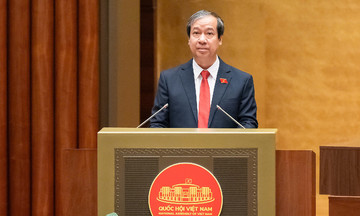
"Bong cuoi", or recreational nitrous oxide (N2O), will be prohibited in Vietnam starting from 2025. This ban stems from Resolution 173/2024, where the National Assembly agreed to prohibit the production, trade, import, transport, and use of e-cigarettes, heated tobacco products, and other addictive or health-damaging gases and substances.
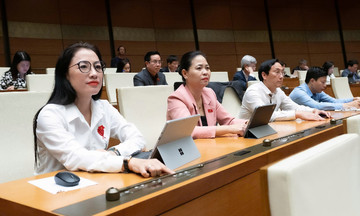
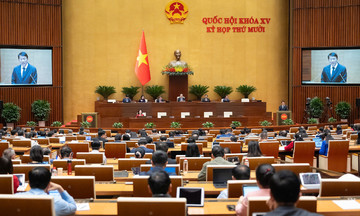
The move to ban "bong cuoi" has been a significant point of discussion, driven by concerns over its severe health impacts and legal ambiguities. On 27/11, the National Assembly debated the draft revised Investment Law. Representative Pham Trong Nhan, Vice Chairman of the Labor Federation of TP HCM, highlighted that N2O, when misused, acts as a new psychoactive substance causing rapid and severe health damage. He urged the National Assembly to include recreational N2O and other new psychoactive substances in Article 6 of the draft law, which lists sectors prohibited from investment and business. This list already includes narcotics, special chemicals and minerals, wild animals, prostitution, organ trafficking, human cloning, explosive fireworks, debt collection, and national treasures.
According to Nhan, research from Bach Mai Hospital indicates that N2O poisoning leads to near-absolute spinal cord damage. Studies show hormone levels increase five times above normal, manifesting as acute myelin sheath destruction. Many patients became disabled after only a few weeks to a few months of use, and 100% of cases in the study showed lasting sequelae after treatment.
He explained that N2O causes harm through two mechanisms: it depletes vitamin B12 and destroys the nerve fiber sheath, leading to numbness, weakness, paralysis, and permanent paralysis. Simultaneously, it activates the brain's pleasure system, creating rapid dependence and compelling users to continuously increase their dosage. The two mechanisms combined result in young people suffering both neurological damage and addiction, making recovery difficult.
The primary user group consists of students, who are often curious, easily enticed, and most vulnerable. Legislation struggles to keep pace with the emergence of new psychoactive substances, making the "most effective solution to close the door immediately through Article 6 rather than continuously updating lists and pursuing criminals."
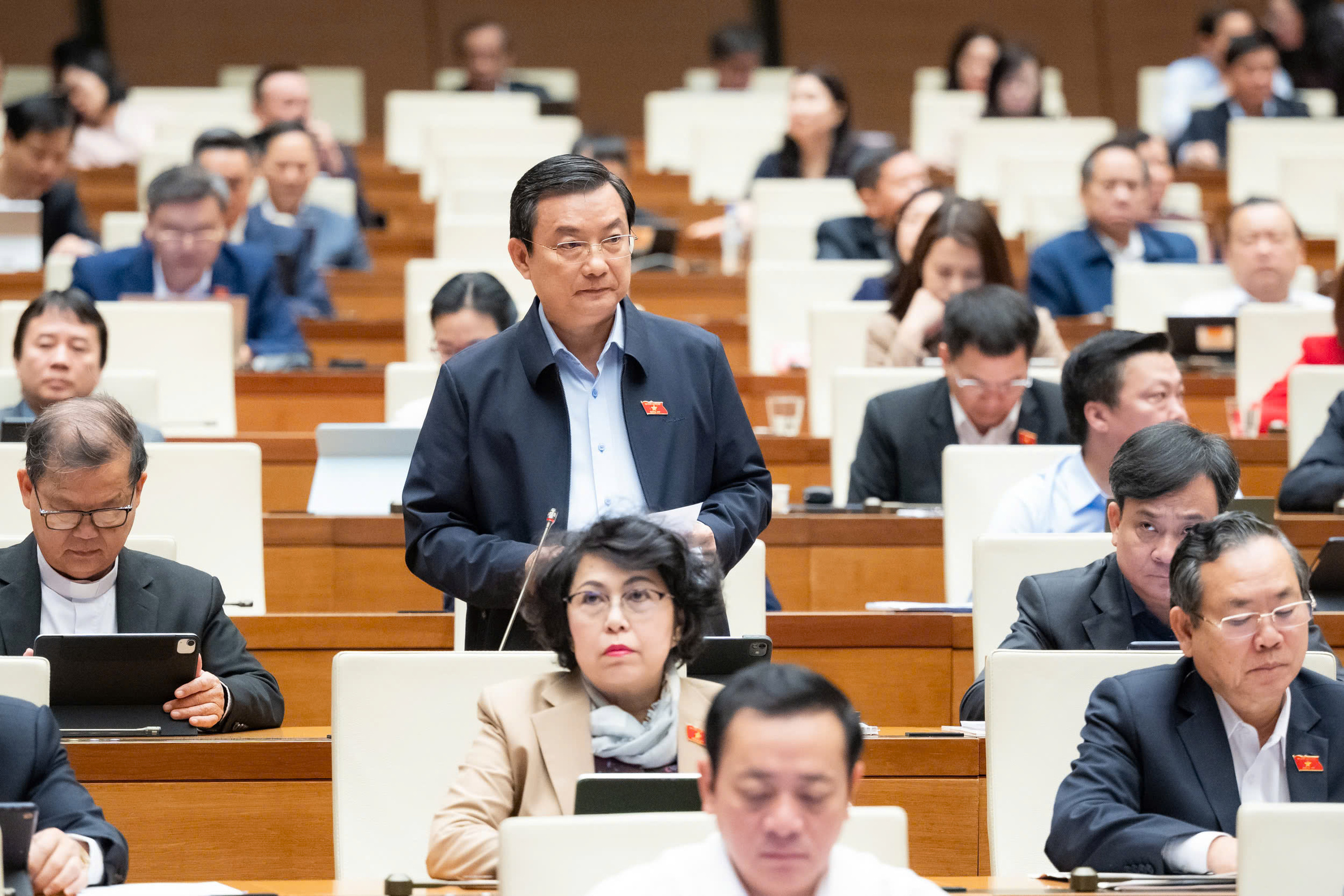 |
Representative Pham Trong Nhan (Vice Chairman of the Labor Federation of TP HCM) . Photo: Hoang Phong |
Citing international experience, Representative Pham Trong Nhan noted that the UK has an absolute ban on N2O; the Netherlands prohibits its sale and possession; Thailand, Japan, and South Korea maintain strict controls; and the US prohibits its supply for recreational purposes. These countries have not encountered international legal obstacles in protecting youth health.
Nhan also highlighted the paradox that while N2O is warned against by the health sector, targeted by police raids, and reported by the press, it remains outside any legal framework. The draft revised Investment Law currently lacks provisions prohibiting the business of "bong cuoi". He argued that the absence of national data on usage rates is not because "bong cuoi" is harmless, but because the market operates entirely without oversight.
According to Nhan, the "bong cuoi" market currently operates under a "5 no" principle: no license, no quality standards, no toxicity testing, no traceability, and no periodic health reporting. "It's not that we cannot manage it; it's that it does not fall under any legal framework," he stated.
Based on these analyses, Nhan proposed adding recreational N2O ("bong cuoi") and new psychoactive substances to Article 6, implementing an absolute ban. He also suggested tasking the government with developing identification criteria for timely updates and reviewing all industrial and food gases to prevent their misuse under commercial pretexts. He warned that if the "door is not closed" immediately through Article 6, legal loopholes would continue to expose the younger generation to severe harm in the future.
Son Ha