Hai Phong is set to close more than 400 unsanitary dumpsites as part of a comprehensive plan to tackle widespread pollution from uncontrolled waste. This initiative addresses growing public concern over environmental degradation caused by numerous informal dumpsites across the city.
Bui Van Thang, Director of the Department of Agriculture and Environment, reported this information to voters during an interpellation session on the second working day of the year-end regular meeting in 2025. Hai Phong generates over 3,000 tons of waste daily. Currently, this waste is processed at 7 centralized facilities, with a combined capacity of 2,100 tons per day, and collected at 482 smaller dumpsites.
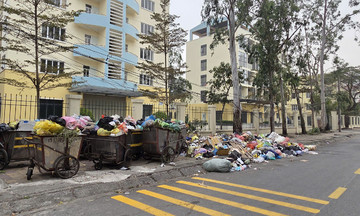
Many commune-level dumpsites are located at the edge of villages, hamlets, or along rivers. These sites quickly become overloaded and are primarily managed through landfilling with treatment products. Moreover, an increasing number of temporary, unplanned, and unmanaged dumpsites have emerged along dikes, near cemeteries, and in vacant lots. These uncontrolled sites frequently experience fires, leading to air pollution. Residents in districts such as Thuy Nguyen, An Duong, An Lao, Tien Lang, and Kien Thuy have repeatedly petitioned authorities about this problem, but a definitive solution has remained elusive, causing considerable frustration.
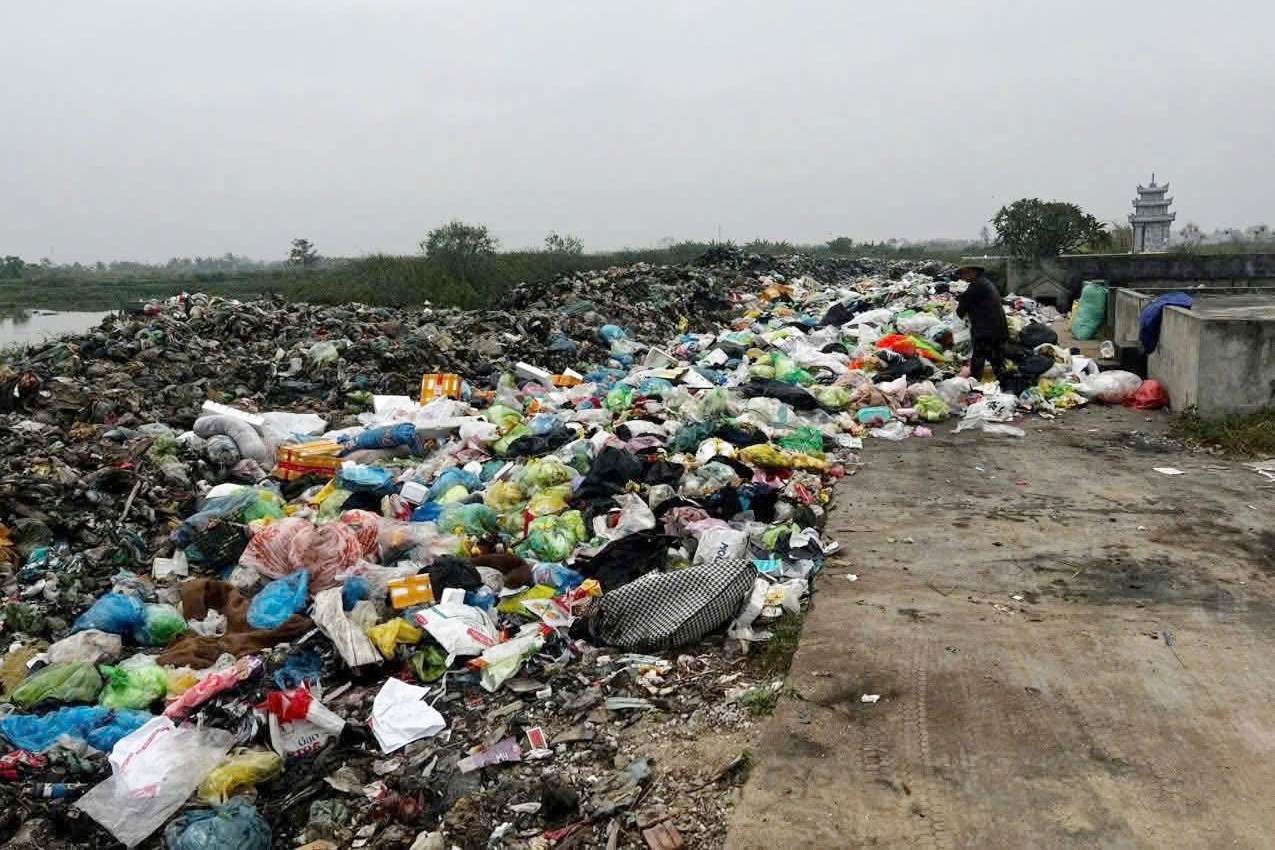 |
A dumpsite in the field of Khuc Gian village, An Lao commune, is frequently burned, causing air pollution. Photo: Nguyen Loan |
According to Thang, the Hai Phong City People's Committee's roadmap involves closing over 400 unsanitary dumpsites. The remaining sites will be properly landfilled. Furthermore, within 10-20 years, dumpsites not meeting proper procedures will be converted for other purposes.
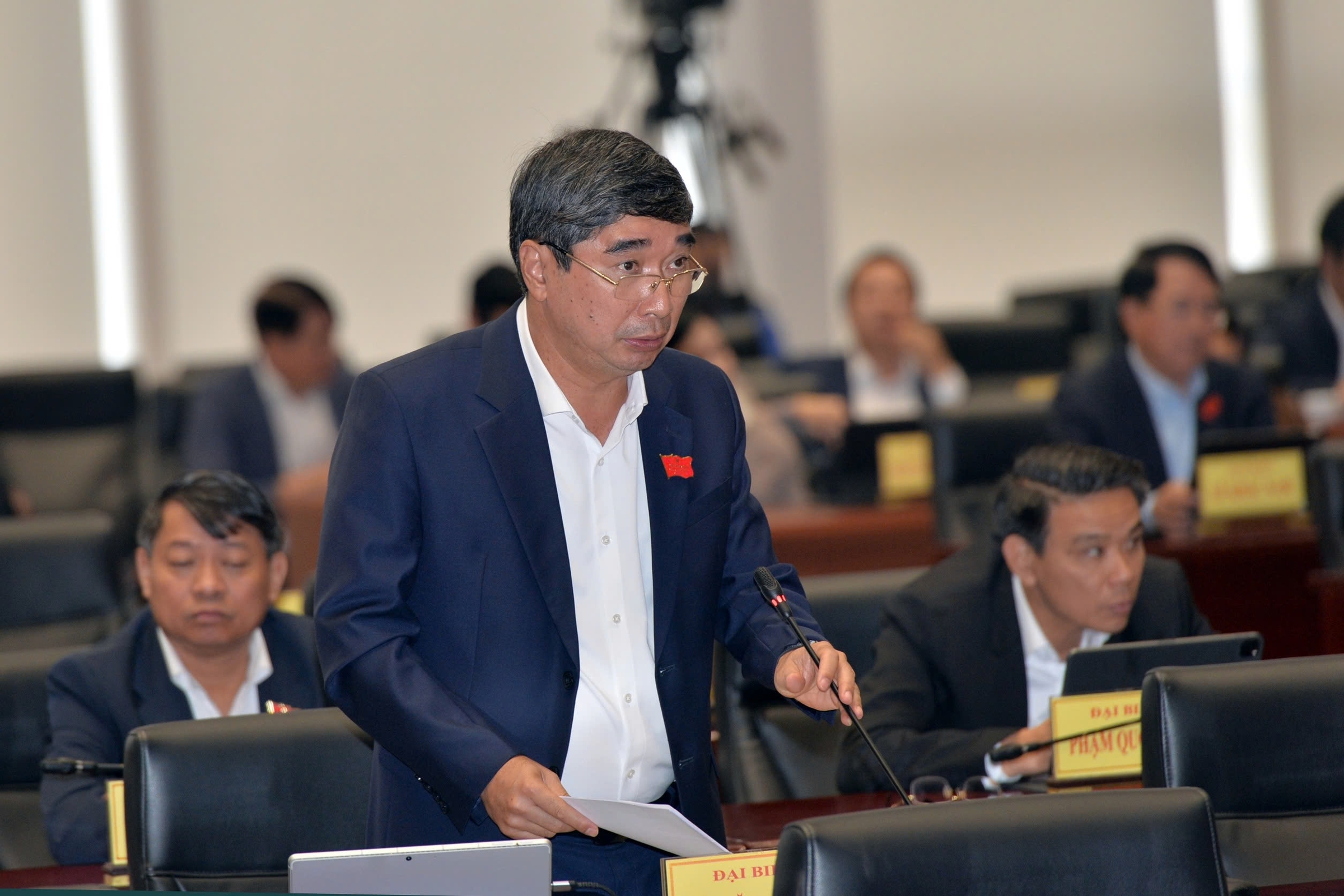 |
Bui Van Thang, Director of the Hai Phong City Department of Agriculture and Environment. Photo: Le Tan |
For a long-term solution, the city is accelerating the construction of two major facilities: the APT Seraphin Hai Duong Waste Treatment Plant and the Dinh Vu waste-to-energy project. These modern plants will incinerate waste to generate electricity, capable of processing approximately 2,000 tons of waste per day.
The Director of the Department of Agriculture and Environment stated that the APT Seraphin Hai Duong Waste Treatment Plant is required to commit to commencing operations by Q2/2027. The Dinh Vu waste-to-energy project is currently seeking input from ministries and agencies to launch an international tender. Thang also urged local authorities to continue improving waste segregation at the source to limit waste generation and reduce processing costs.
The 32nd session of the 16th City People's Council, where this report was presented, took place from 9 to 11/12. The session included personnel matters, discussions, and votes on 47 resolutions concerning budget revenue and expenditure, and socio-economic development for the 2026-2030 period.
Le Tan