On the evening of 26/3, Hiep Phuoc Power Company Limited commenced construction of phase 1 of the Hiep Phuoc LNG gas power plant project. This significant facility, with a capacity of 1,200 MW, is located in Hiep Phuoc Industrial Park, approximately 25 km from the center of Ho Chi Minh City.
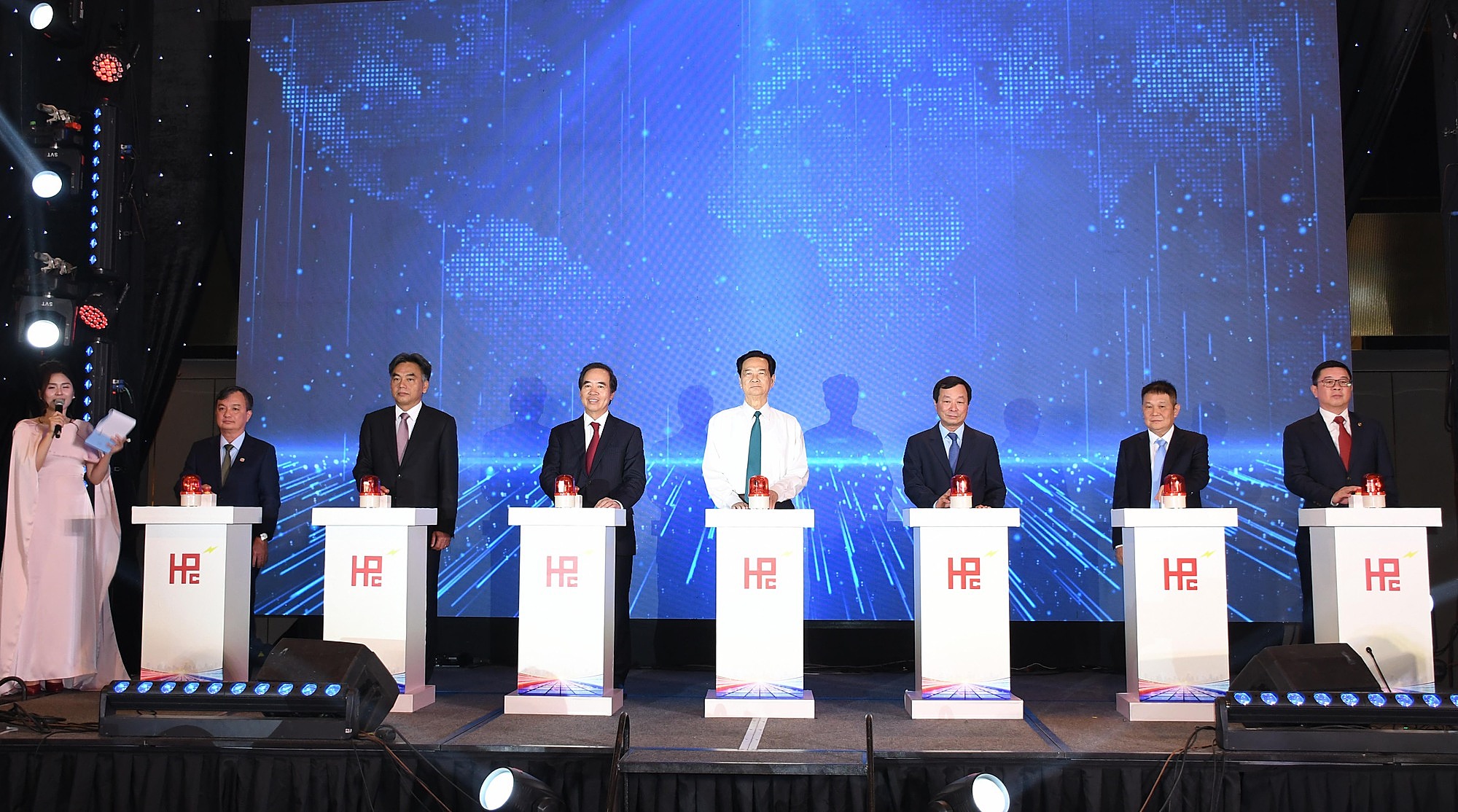 |
Inauguration ceremony for the Hiep Phuoc LNG gas power plant project on the evening of 26/3. *Photo: An Phuong*
The project represents a total investment exceeding 18,800 ty dong. Upon completion, the plant is projected to contribute over 7 billion kWh annually to the national power grid, playing a crucial role in meeting the rapidly growing electricity demand in the southern region.
The facility is being developed on the site of a 375 MW fuel oil power plant that has operated since 1990. Converting to LNG will substantially reduce CO2 emissions, aligning with Vietnam's sustainable development goals and its commitments to carbon neutrality.
According to Le Van Tam, Chairman of Hiep Phuoc Power Company Limited, the project extends beyond a mere power plant. It integrates a comprehensive LNG infrastructure system, including an import port, storage tanks, and regasification facilities. This integrated approach aims to establish a new energy hub in southern Ho Chi Minh City.
During the groundbreaking ceremony, the company signed a power purchase agreement with Vietnam Electricity (EVN). While the specific price was not disclosed, this agreement provides the essential legal framework for banks to disburse funds, ensuring the project's timely progress.
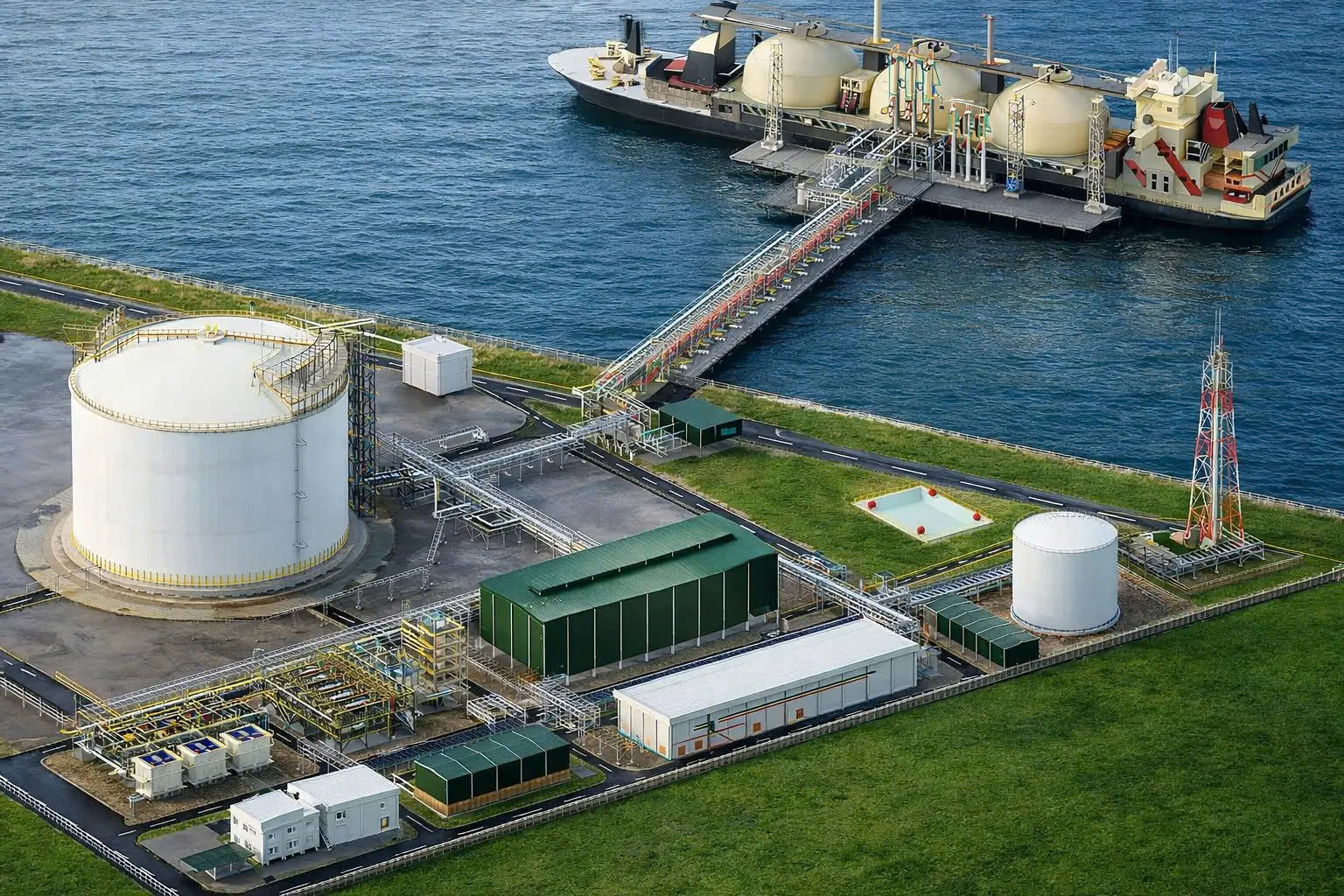 |
Hiep Phuoc LNG terminal. *Photo: Investor*
Pham Le Phu, Deputy General Director of EVN, highlighted the project's importance given the continuous surge in electricity demand, particularly in the southern region. He emphasized that developing high-efficiency, environmentally friendly power sources is an urgent requirement, consistent with the national power development plan's energy transition strategy.
Vietnam's power system currently has a total capacity of approximately 90,000 MW. The Hiep Phuoc LNG plant will account for about 1,3% of this, comparable in scale to large thermal power plants such as Vung Ang 1 or Duyen Hai 1. It is capable of supplying electricity to two to three million people, supporting residential, industrial, and service activities.
Compared to coal-fired power, LNG power offers lower emissions, virtually no fine dust or SO2 gas, along with high efficiency and operational flexibility. However, this form of power generation is reliant on imported LNG and necessitates significant capital investment for its terminal and regasification systems.
Nationwide, the Nhon Trach 3 and 4 LNG gas power plants are already commercially operational. The revised Power Development Plan VIII indicates Vietnam's need to add nearly 37,500 MW of gas-fired power, with approximately 60% expected to be LNG. Despite this strategic direction, many planned LNG projects still encounter hurdles in negotiating off-take agreements and securing long-term fuel prices.
Le Tuyet