During a 29/7 meeting with the Ministry of Education and Training, Deputy Prime Minister Le Tien Chau emphasized the high school graduation exam's role as a crucial tool for assessing educational output standards and quality. He stressed the need for fundamental reforms in testing capabilities and supervision mechanisms.
The Deputy Prime Minister directed the Ministry of Education and Training to collaborate with relevant agencies to review and address existing limitations, ensuring the exam plan's stability. He highlighted the importance of clearly delineating responsibilities between the Ministry and provincial authorities. Additionally, he called for increased use of technology, cross-checking, and enhanced supervision to combat fraud, particularly those involving advanced technology.
Regarding the transition to computer-based high school graduation exams, the Deputy Prime Minister urged meticulous preparation to guarantee security, safety, and reliability. He mandated that implementation must follow rigorous trials and pilot programs, with a comprehensive evaluation before proceeding.
"While this is an inevitable trend, it necessitates a thorough evaluation of infrastructure, cybersecurity, and costs," he stated. "Implementation should not occur until all risks are fully assessed, especially the potential for creating inequality among different regions."
For university admissions, the Deputy Prime Minister suggested further refining methods to ensure institutional autonomy, coupled with accountability and robust quality standards. He encouraged universities to explore an "open admissions, strict graduation" model for certain disciplines. However, he stressed the need to maintain admission quality through minimum score requirements, preventing a broad, quantity-focused approach.
Mr. Chau also called for a review and streamlining of the general education curriculum, incorporating feedback from experts, scientists, teachers, and students.
Digital literacy and ethical artificial intelligence (AI) use should be integrated into the general education curriculum starting from primary school. Students must learn to identify misinformation and develop critical thinking skills when presented with AI-generated information.
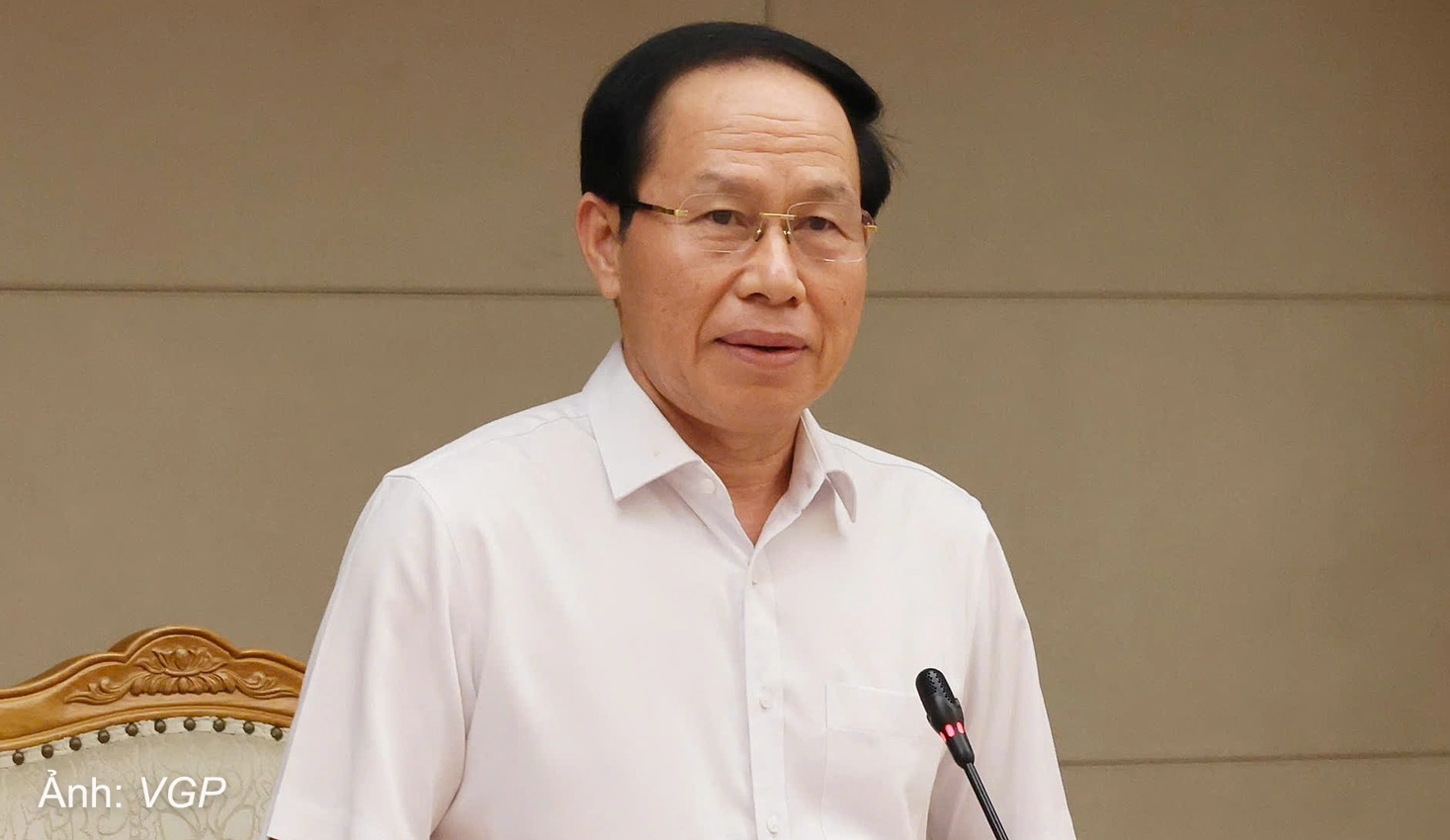 |
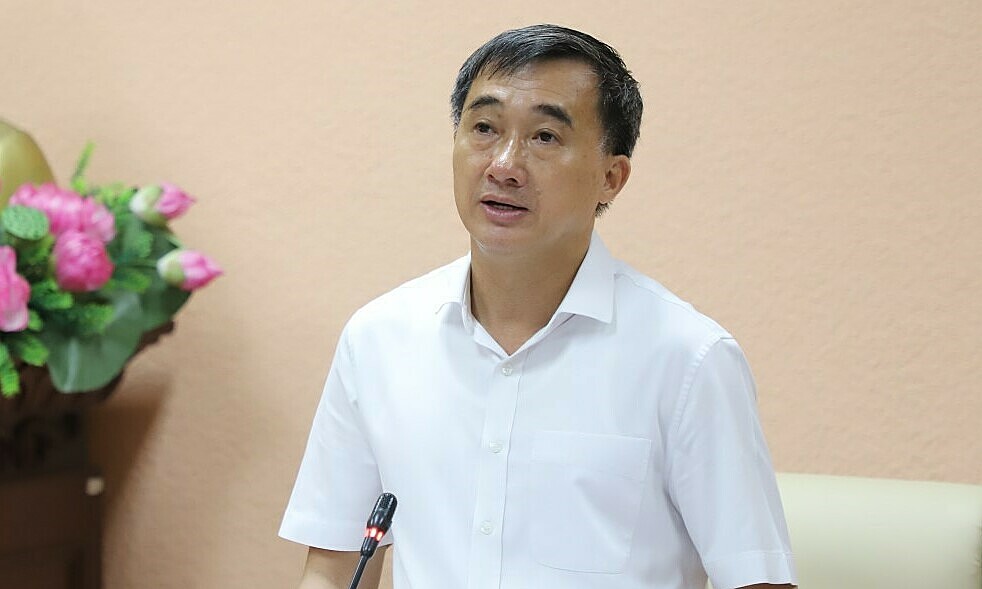
Deputy Prime Minister Le Tien Chau. Photo: VGP |
Earlier, during the National Assembly Standing Committee session on 14/7, Nguyen Dac Vinh, chairman of the culture and education committee, referenced the exam fraud incident in Tuyen Quang. He proposed exploring the separation of the high school graduation exam from university admissions.
According to Mr. Vinh, while a single exam serving two objectives saves public effort and reduces social costs, it also presents shortcomings. He noted that students' desire for high scores to gain university admission could contribute to negative behaviors.
"We believe it is worth considering separating these two exams," he remarked. The high school graduation exam, he suggested, should primarily assess the high school learning process, knowledge acquisition, and the quality of educational institutions. University admissions, conversely, fall under the autonomy of individual institutions; indeed, some universities already conduct their own aptitude tests and utilize distinct admission processes.
On 25/7, the Ministry of Education and Training affirmed the necessity of continuing the high school graduation exam, despite a graduation rate of approximately 99%. The Ministry argued that without the exam, there is a risk of teachers and students becoming disengaged from teaching and learning. Furthermore, the education sector would lack reliable data to assess educational quality nationally and locally.
The Ministry further stated that irregularities in some localities were identified through the analysis, public disclosure, and transparency of exam data. Maintaining the exam also aligns with Party policies and legal regulations.
Vu Tuan