On 17/11, the National Assembly discussed a draft law amending 10 laws on security and order, including content related to the Law on Road Traffic Order and Safety. According to current regulations, all cars carrying children, including taxis, must have appropriate safety equipment; violations will incur fines from 800,000 to 1 million dong.
Delegate Ha Sy Dong argued that this regulation suits countries with high car usage, but Vietnam's conditions differ as most people travel by motorcycle. An overly rigid child seat requirement could force many families to transport children by motorcycle instead of taxi, increasing risks. He cited experiences in Indonesia and the Philippines, where mandatory child seat regulations led to a 15-30% increase in parents transporting children by motorcycle.
According to standard 123/2024, child safety seats come in 4-5 sizes depending on weight. If mandated, each taxi would need to carry multiple seats, which Mr. Dong deems "impossible to implement." For tourists, carrying seats throughout a journey is inconvenient. Moreover, requiring taxis to have them readily available would not meet the needs of families with two or more children.
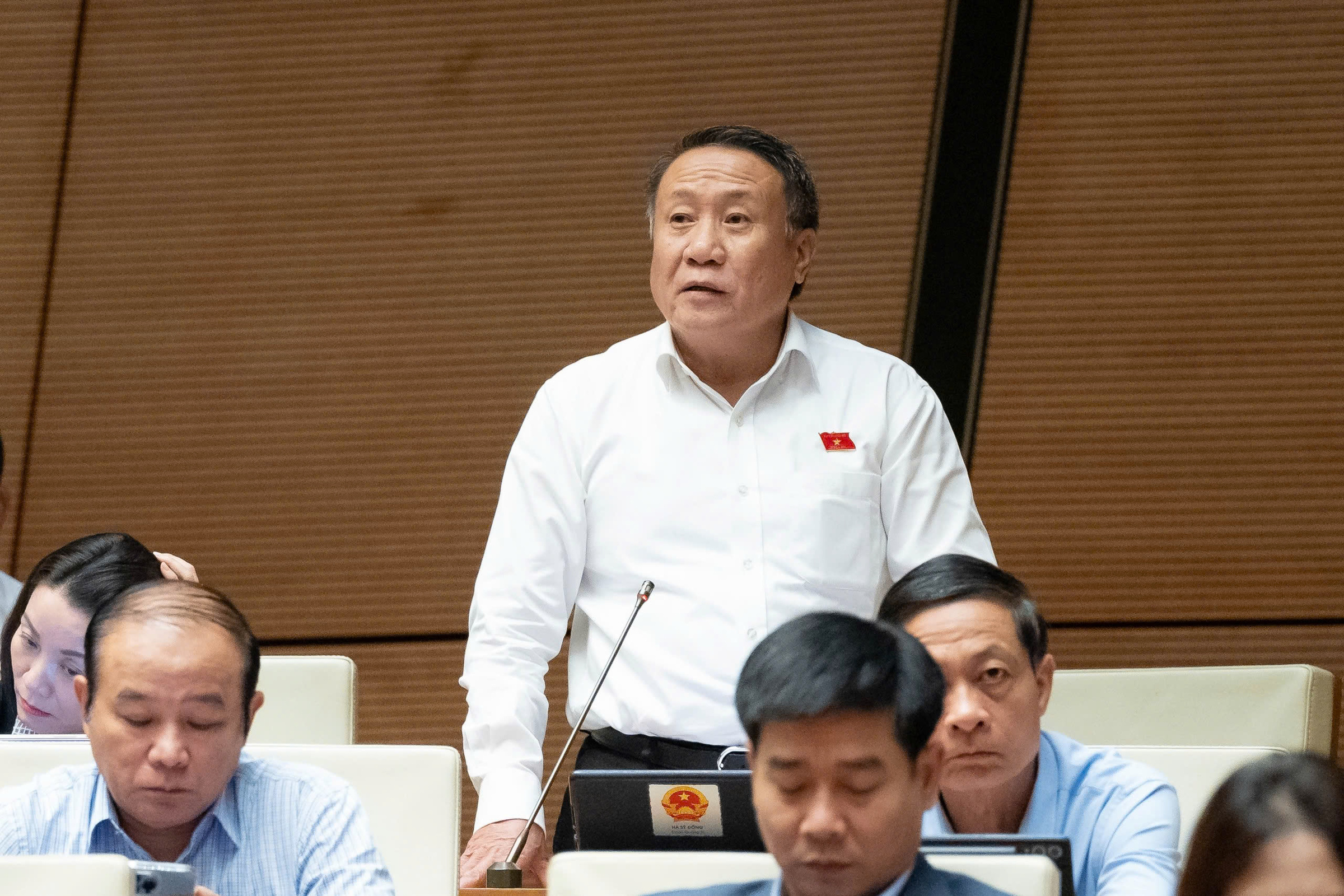 |
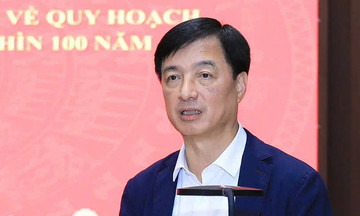
Delegate Ha Sy Dong (former acting Chairman of Quang Tri Province People's Committee). Photo: Hoang Phong |
Mr. Dong also noted that many families do not own private cars and rely on taxis to take children for check-ups, vaccinations, or during bad weather. The limited number of taxis equipped with child seats makes booking difficult, extends waiting times, and increases costs. "Young people already hesitate to have children due to various pressures. If this regulation remains, the burden will become greater," he said, proposing adjustments to reduce pressure on parents.
Transport businesses stated that coaches and contract vehicles are unsuitable for additional child seats; current seat belts are the only solution for diverse passenger groups. Operators only know children are accompanying passengers when they board, so they cannot prepare safety equipment in advance.
Dr. Tran Huu Minh, Chief of Office of the National Traffic Safety Committee, suggested that transport types need a longer roadmap to meet new requirements. He proposed that the State require businesses to disclose the number of child safety devices on each trip so passengers can choose when booking online, especially for contract and fixed-route vehicles.
Traffic signs needed with flood level indicators
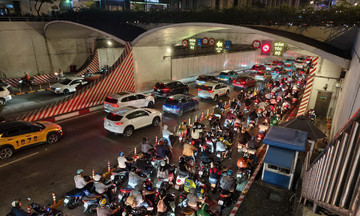
Delegate Nguyen Van Canh argued that urban flooding is increasingly common, causing congestion, vehicle damage, and disrupting daily life. In rural areas, many culverts have water level poles for safety warnings, and urban areas "also need a similar model."
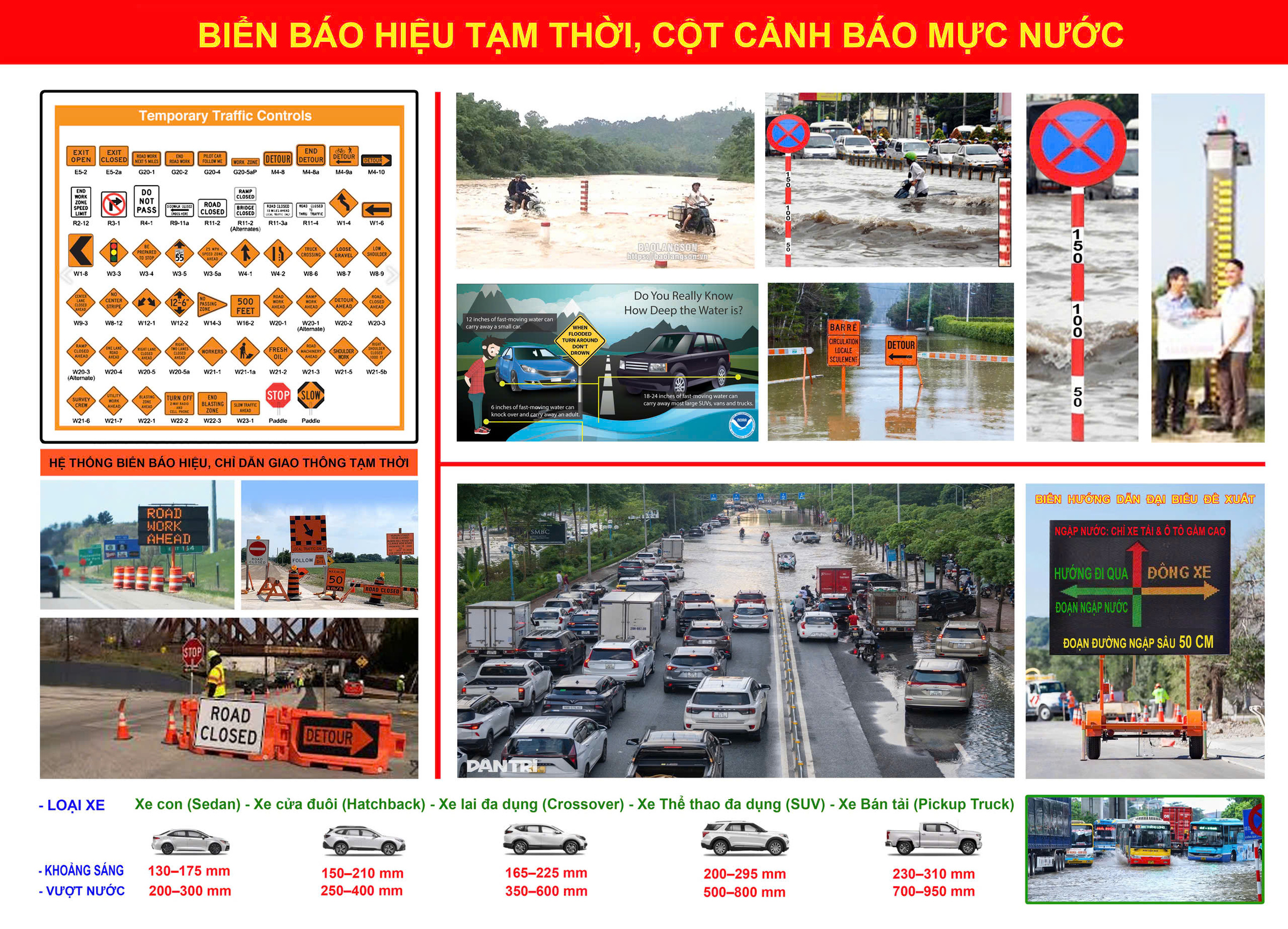 |
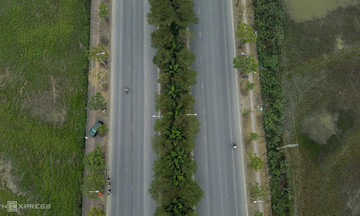
Illustrative image of delegate Nguyen Van Canh's proposal presented before the National Assembly. |
He proposed marking flood levels on traffic sign poles at flooded spots, helping drivers decide whether to proceed based on vehicle ground clearance and water-fording capability. Additionally, the transport sector should organize regulation based on flood levels, such as using electronic signs to guide capable vehicles, prioritizing public transport, while other vehicles are rerouted or turned back to avoid congestion and damage.
Mr. Canh also proposed that the Ministry of Construction supplement the system of temporary traffic signs, similar to many countries using brown or orange backgrounds, for use during road repairs, accidents, or emergency rerouting.
Son Ha