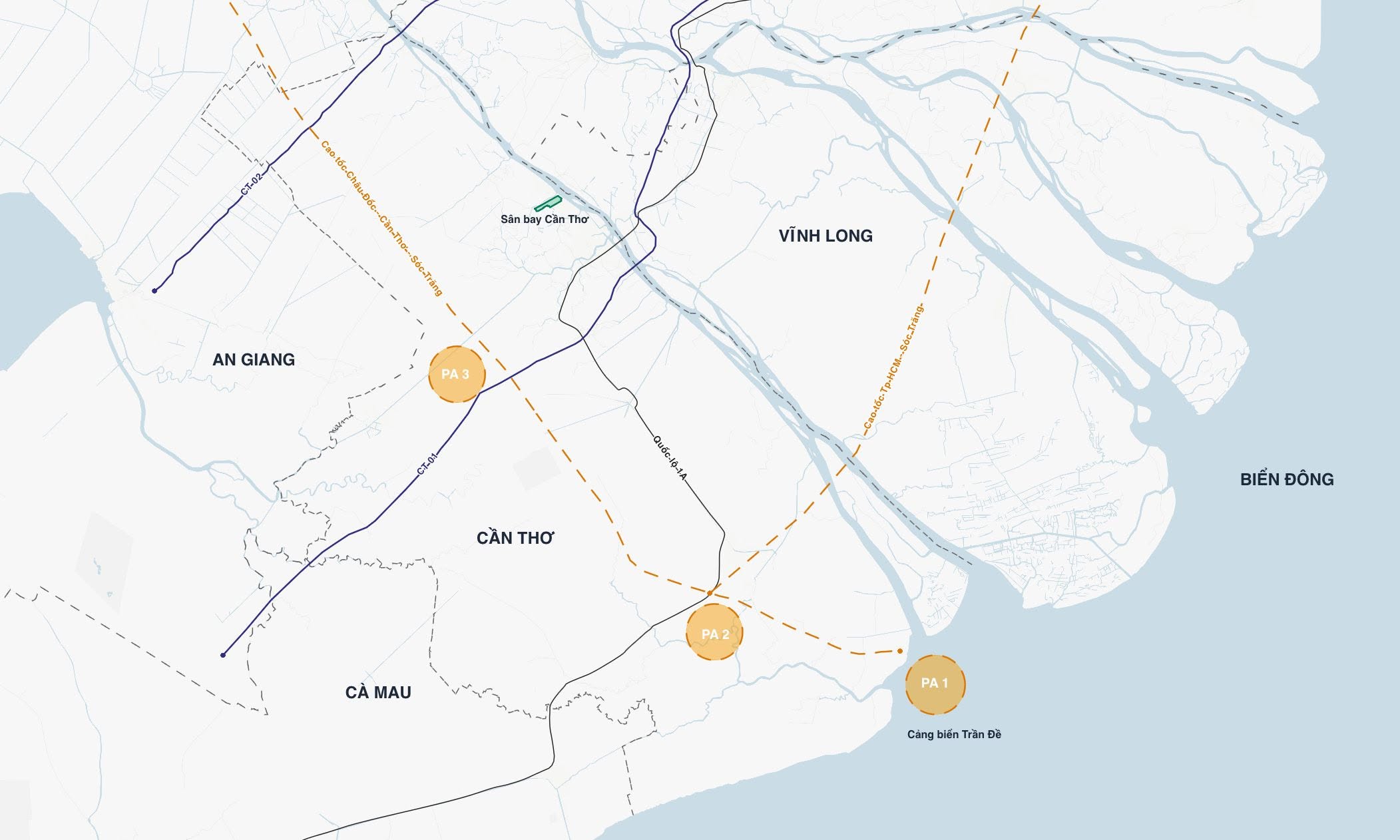
The tragic bus fire in Dong Nai on 21/7, which killed 7 people, has highlighted critical safety concerns regarding sleeper buses. These vehicles, designed with leather-upholstered berths for passenger comfort on long journeys, have dominated passenger transport for years. However, their design, aimed at maximizing operational space, often creates narrow aisles that significantly hinder passenger escape during emergencies.
Nguyen Van Thong, 37, a survivor of the Dong Nai fire, recounted the chaos. All passengers crowded into the single aisle to find an exit, with many jumping from upper berths, completely filling the bus compartment. Thong searched for an emergency hammer near his berth but found none, forcing him to punch the window. "I punched the glass until my hands hurt too much to continue, so I gave up," he said. To escape, Thong, his wife, and two children had to cross the fire at the front of the bus, resulting in injuries to the entire family. The accident vehicle was a 24-berth 'double room' type, carrying 37 passengers, exceeding its capacity.
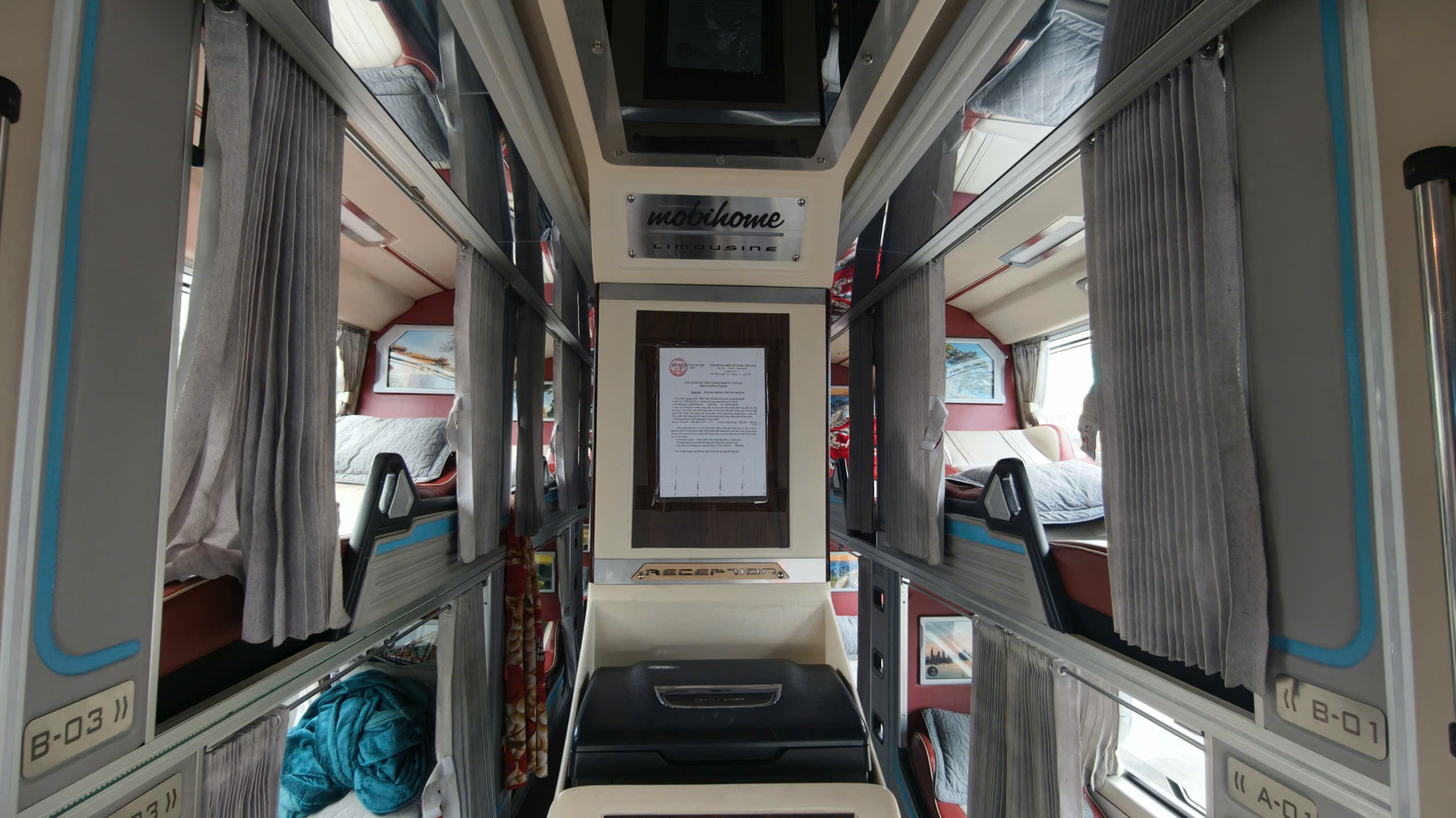 |
A 34-40 berth sleeper bus features three rows of beds and two narrow aisles, requiring passengers to turn sideways when entering or exiting.
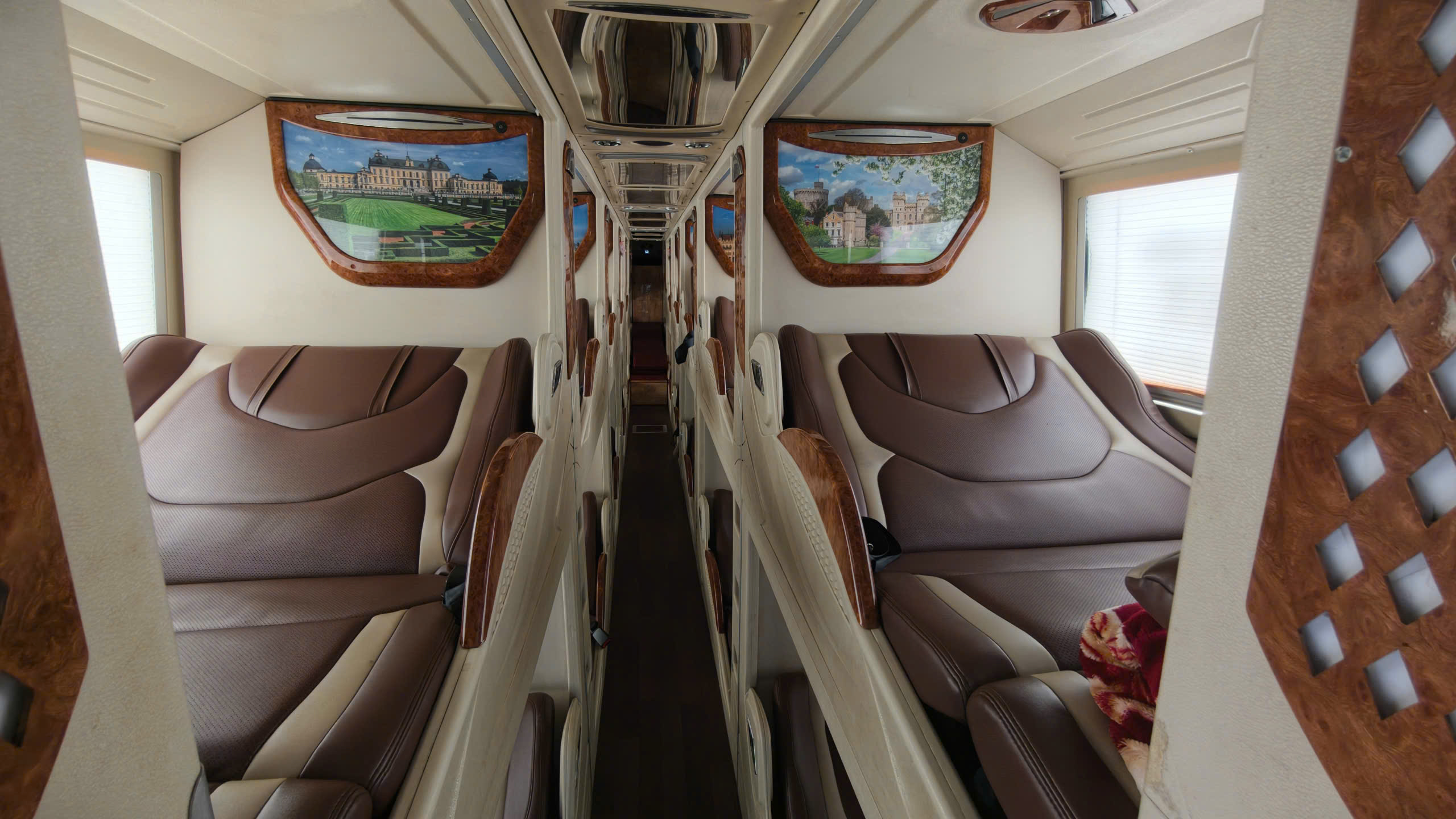 |
A 24-berth sleeper bus, also known as a 'double room' type, offers wider sleeping spaces but has only one aisle.
The two most common sleeper bus types are those with 34-40 berths and 24 berths. The 34-40 berth vehicles feature three rows of beds packed closely together with two central aisles. The other model has only one aisle but larger beds, often called 'double rooms.' These narrow aisles allow only one passenger to pass at a time, sometimes requiring adults to turn sideways when boarding or alighting. This design significantly hinders passenger escape during emergencies.
According to Vietnam Register statistics as of 22/7, over 44,000 vehicles with 24 to over 38 seats are operating in passenger transport nationwide. Sleeper buses are popular due to their comfort and lower fares compared to airplanes or trains, with tickets for 300-400 km routes typically costing 400,000-500,000 Vietnam dong.
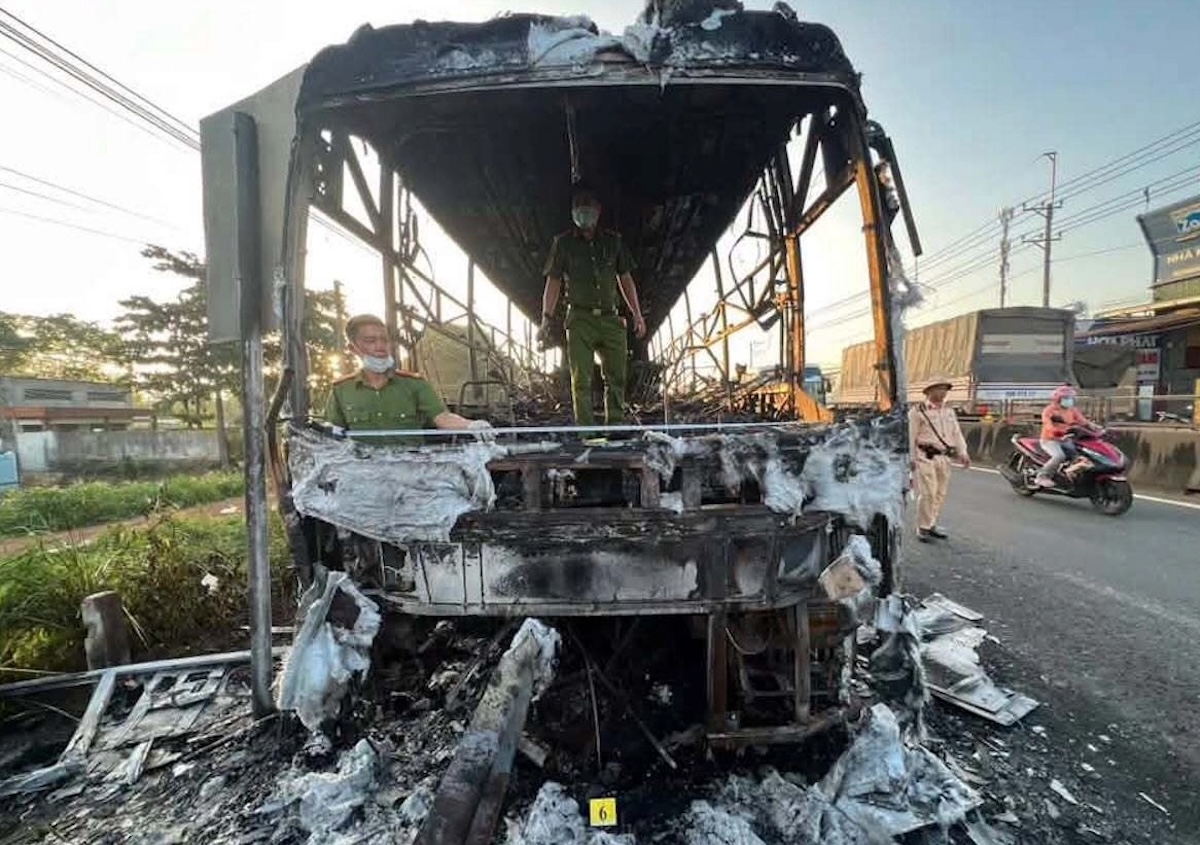 |
All berths were charred, leaving only frames after the bus fire killed 7 people in Dong Nai on 21/7. *Photo: Dong Nai Police*
Le Ngoc Chung, Master of Science, Head of the Mechanical and Automotive Department at Saigon Polytechnic College, emphasized that while all bus models must meet technical standards and undergo strict inspection before market release, the trend of developing new vehicle designs necessitates a thorough review of emergency exit arrangements to ensure passenger safety. These vehicles often carry around 30 people, and during a fire or collision, if the single aisle is blocked by flames, smoke, or obstacles, passengers' ability to escape is severely limited as they rush to one side. Panic in a confined space further delays escape efforts.
Buses typically have only one front entrance/exit, primarily operated by compressed air, though it can be opened manually. However, in an emergency, a severe collision can deform the vehicle's structure, affecting both the control system and manual opening mechanism, making it very difficult to open the door. Chung added that operating buses must be equipped with emergency hammers, installed in visible and accessible locations. In reality, many buses lack emergency hammers or have them tied down, rendering them ineffective during an accident.
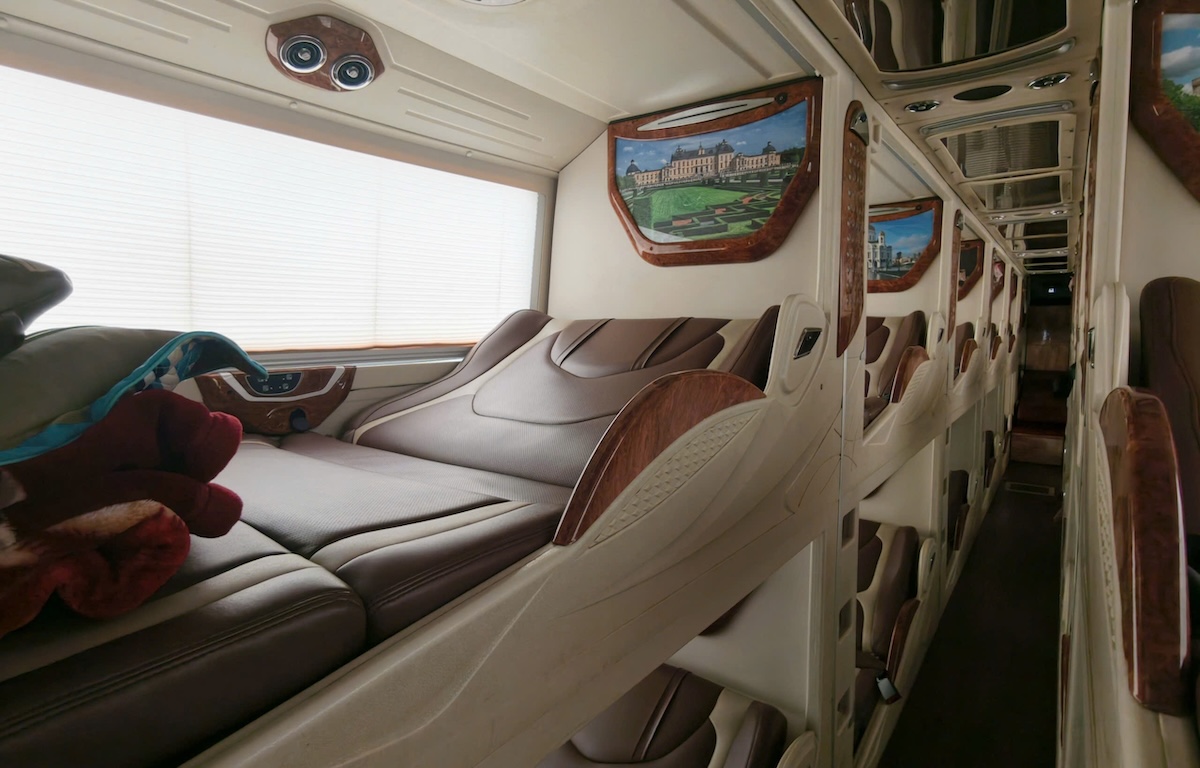 |
Sleeper bus berths, made from plastic frames, mica, and foam covered with artificial leather, are all highly flammable materials. *Photo: Dinh Van*
Nguyen To An, Deputy Director of Vietnam Register, clarified that there is no official concept of 'double rooms' or 'double berths'; each space on a sleeper bus is intended for a single passenger. He noted that the vehicle involved in the Dong Nai accident, designed for 24 passengers, exceeded regulations by carrying 37 people.
An stated that current inspection regulations classify the absence of an emergency hammer on a bus as a 'minor defect,' resulting only in a warning for the vehicle owner. Therefore, authorities need to amend requirements for emergency hammers. If buses lack the correct number or proper installation, the penalty should escalate from a warning to a refusal of registration. Furthermore, licensing bodies should make electronic stability control (ESC) systems mandatory for sleeper buses to mitigate rollover risks before operation.
An also proposed legal regulations requiring bus attendants and drivers to receive escape training. Before each journey, they should instruct passengers on emergency procedures, similar to airline safety briefings. "Attendants can show passengers their proximity to fire extinguishers and emergency hammers, explaining what to do for the quickest response," An said.
The Ho Chi Minh City fire prevention, fighting, and rescue police department advises that during a bus fire, passengers should remain calm, use a water-soaked shirt or towel to cover their nose and mouth to reduce inhalation of toxic fumes from burning materials, and crouch low while escaping. Bystanders who spot a burning bus should use a hard object to strike the corners of windows to create an escape route for passengers and call 114. If a fire extinguisher is available, prioritize spraying the engine compartment or undercarriage to prevent the fire from spreading.
Dinh Van - Giang Anh