 |
The program, launched on 22/11, is expected to run until 15/12 at VNVC vaccination centers in: An Nhon, Hoai Nhon, Quy Nhon, Phu Tai, Pleiku, An Khe, Dak Doa in Gia Lai; Song Cau, Tuy Hoa, Buon Ma Thuot, Ea Kar, Cu M'Gar in Dak Lak; and Nha Trang, Ninh Hoa, and Phan Rang in Khanh Hoa.
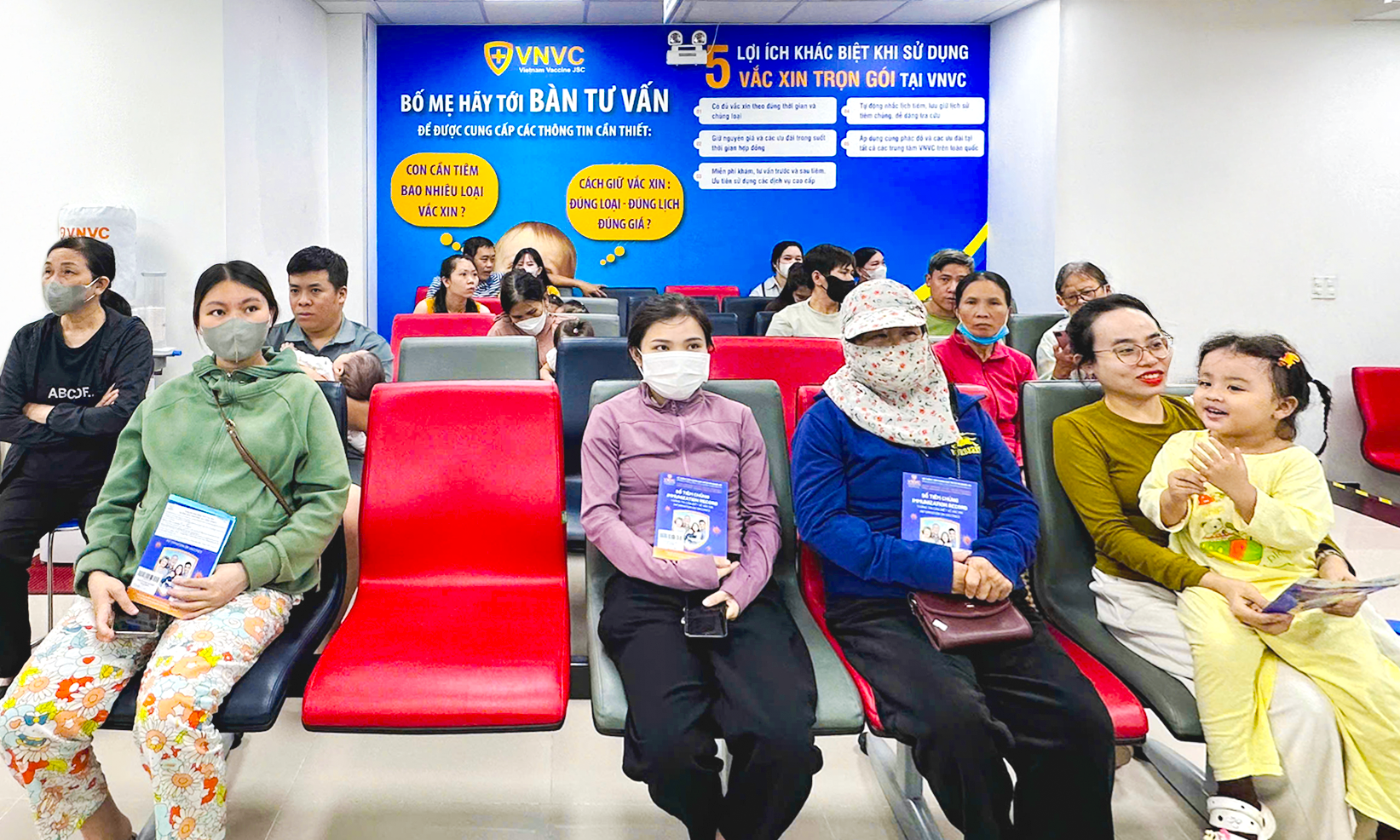
According to a representative from VNVC, these localities were severely impacted by typhoon number 13 and recent historic floods. Within four days, thousands of flood-affected residents in these areas received vaccinations. Many people were seen waiting for tetanus vaccinations at VNVC Tuy Hoa on 25/11.
 |
All residents with open wounds arriving at the centers will be examined by a doctor, have their vaccination history checked, and be prescribed the appropriate vaccine or serum.
Nguyen Minh Sang, 30, visited VNVC Buon Ma Thuot in Dak Lak province for a tetanus vaccination after injuring his leg during rescue efforts in his hometown of Khanh Hoa. Before vaccination, a doctor performed a thorough screening, checking his body temperature, listening to his heart and lungs, and measuring his blood pressure.
 |
Nguyen Kim Bang, 66, from Binh Kien ward, Dak Lak, sustained cuts to his hand from a light bulb and scrapes and bleeding on his leg from a fall when his house was deeply flooded. His wife, 58, also cut her hand on a piece of broken glass while cleaning. Due to rising floodwaters, the couple could only get vaccinated five days later. Mr. Bang's leg wound had become infected and was treated before he received his vaccination.
"This is a highly meaningful activity that helps alleviate some of the financial burden on residents who suffered significant damage from the storms and floods," said Mr. Bang.
 |
Nguyen Van Thuong, 19, a self-defense militia member in Quy Nhon Tay (Gia Lai), received tetanus vaccine and serum at VNVC Phu Tai after stepping on a nail while helping residents clean up during the flood.
 |
Van Phuc, 9, from Xuan Canh commune, Dak Lak, injured his forehead while playing. Hung, 28, Phuc's father, learned about VNVC's free tetanus vaccination program from his son's teacher. One day later, the boy was brought by his father to VNVC Song Cau for a tetanus vaccination.
 |
Doctor Bach Thi Chinh, Medical Director of the VNVC Vaccination System, stated that residents primarily seek tetanus vaccinations due to injuries sustained while reinforcing and cleaning homes after storms and floods. Many cases involved cuts to hands and feet, or stepping on nails or sharp objects, requiring them to wait for the water to recede before getting vaccinated. Before vaccination, doctors examine wounds, check vaccination history, and prescribe the appropriate vaccine and serum, all completely free of charge. Residents are shown undergoing a tetanus serum test.
 |
Tetanus bacteria thrive in mud and soil, easily entering through open wounds, even small ones. Tetanus typically causes muscle spasms, and the mortality rate can reach 90% if not treated promptly. The incubation period ranges from 3 to 21 days, or even as short as one day. Timely vaccination helps reduce the risk of infection and complications. Additionally, residents should proactively get preventive vaccinations before sustaining open wounds to enhance protective effectiveness.
 |
Individuals who are unvaccinated or have an unclear vaccination history will be prescribed three tetanus doses: the second dose one month after the first, and the third dose six months after the second. Booster shots are needed every 10 years or when an injury occurs to maintain effectiveness. For those who have previously completed three doses, only one booster shot is required for a large wound, without the need for tetanus serum. Residents are shown receiving free tetanus vaccinations at VNVC Ea Kar, Dak Lak.
 |
Previously, during rain and flood events in the Northern and North Central regions, VNVC donated thousands of emergency medicine kits and provided free tetanus vaccines and serum to residents. VNVC's cold storage system, refrigerated vehicles, and specialized cabinets consistently maintain vaccine storage at a stable 2-8 degrees Celsius, even during storm and flood seasons.
By Hoa Binh
Photos: VNVC
vaccination, vaccine,