The 29 communes proposed for elevation include: An Nhon Tay, Binh Hung, Binh Chanh, Ba Diem, Binh Loi, Binh My, Dong Thanh, Hoc Mon, Hung Long, Long Hai, Long Dien, Nha Be, Ho Tram, Ngai Giao, Tan An Hoi, Tan Nhut, Tan Vinh Loc, Vinh Loc, Xuan Thoi Son, Thai My, Cu Chi, Dat Do, Can Gio, Hiep Phuoc, Phu Hoa Dong, Chau Pha, Long Son, Bau Bang, and Bac Tan Uyen.
These localities are situated in areas experiencing rapid urbanization or serving as key growth drivers for Ho Chi Minh City. They meet all 9 out of 9 criteria set by the National Assembly Standing Committee for transitioning from communes to wards.
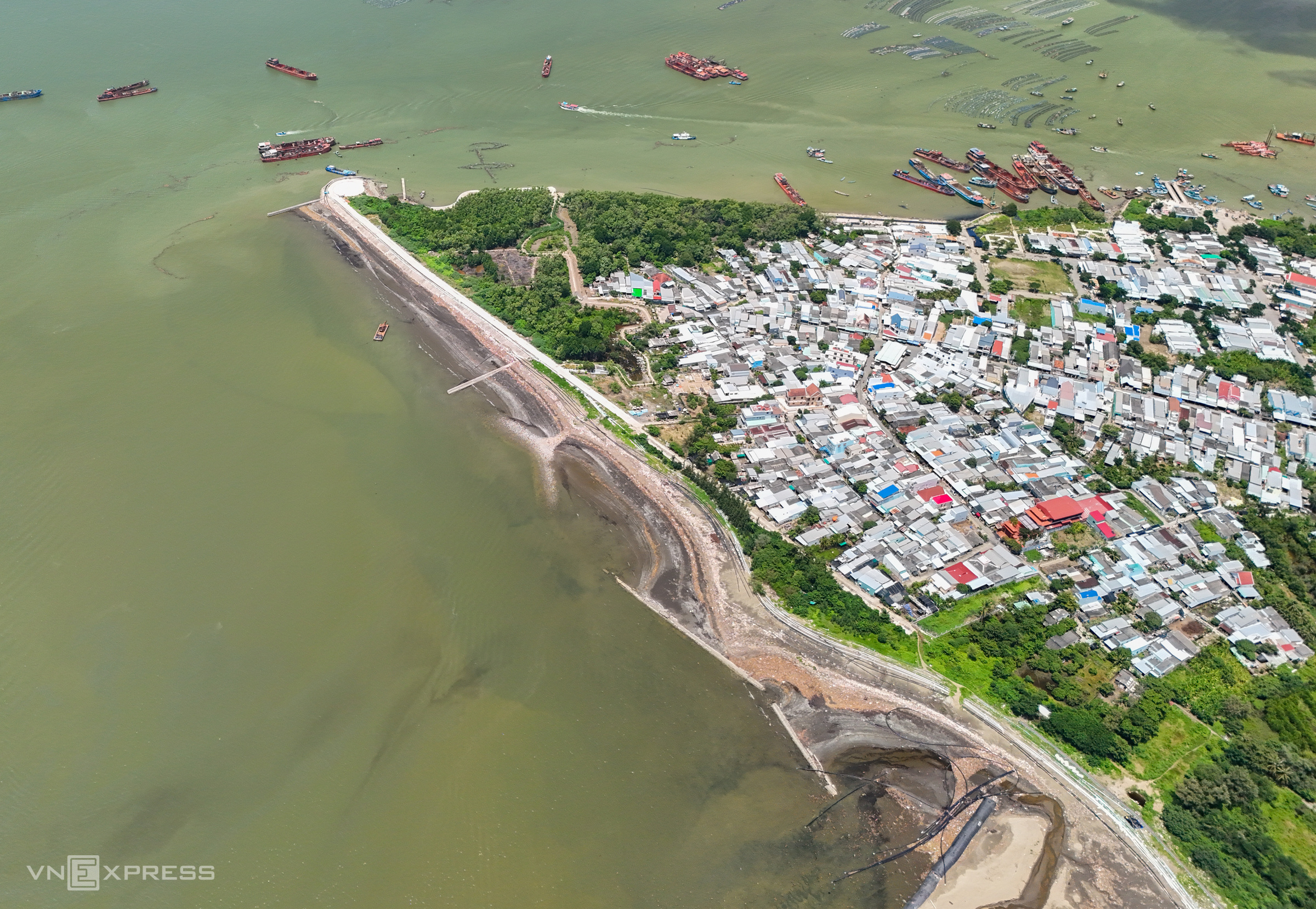 |
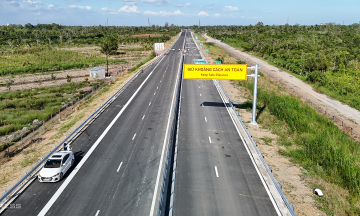
A section of Can Gio commune, approved by Ho Chi Minh City for elevation to a ward. Photo: Quynh Tran
Among the communes within the former Ho Chi Minh City area, 20 are located in districts such as Binh Chanh, Hoc Mon, Cu Chi, Nha Be, and Can Gio. These areas were previously considered for city status due to significant rural-to-urban shifts, large populations, and a high percentage of non-agricultural workers.
Notably, communes like Binh Chanh, Binh Hung, Vinh Loc, Tan Vinh Loc, Ba Diem, and Hoc Mon already have populations comparable to many inner-city districts, ranging from over 100,000 to 200,000 people.
Nha Be, Hiep Phuoc, and Can Gio are designated to become the city's marine economic, logistics, and seaport hubs.
In the former Binh Duong area, two communes, Bau Bang and Bac Tan Uyen, meet the criteria. These two localities have rapidly developing industries, numerous industrial parks, new urban areas, and a high proportion of non-agricultural laborers.
The former Ba Ria - Vung Tau area includes 7 communes: Long Hai, Long Dien, Ho Tram, Ngai Giao, Dat Do, Chau Pha, and Long Son. These localities are situated within the development corridor for coastal tourism, seaports, and the energy industry.
Long Son is home to the Long Son petrochemical complex, while Ho Tram and Long Hai are two major resort tourism centers for the city and the Southeast region.
Following this policy approval, the localities will finalize their proposals, gather public feedback, and submit them to the Ho Chi Minh City People's Council. The dossiers will then be reviewed by the Ministry of Home Affairs, considered by the Government, and presented to the National Assembly Standing Committee for a final decision.
According to Resolution 112 of the National Assembly Standing Committee, a commune seeking elevation to a ward must meet five groups of criteria, including: a population of 21,000 people or more; a minimum natural area of 5,5 km2; and an urban population ratio of 50% or higher. Additionally, the commune must achieve socio-economic indicators such as budget self-sufficiency, a high percentage of non-agricultural laborers, and per capita income above Ho Chi Minh City's average for the three most recent years.
Due to rapid urbanization, the infrastructure in many Ho Chi Minh City communes has improved, leading to the formation of modern urban areas. However, their development has been limited by a rural administrative management model. Under the new regulations, transitioning a commune to a ward increases staffing from 50 to 70 people. Land and planning policies will also be managed under an urban model, better addressing the needs of residents.
Ho Chi Minh City currently comprises 168 commune-level administrative units, including 113 wards, 54 communes, and the special administrative zone of Con Dao.
Le Tuyet