Speaking at a workshop on 27/5 to gather feedback from domestic and international businesses and corporations regarding the draft Law on Special Urban Areas, Nguyen Van Duoc stated that special mechanisms have recently become a "launchpad" for Ho Chi Minh City's development.
However, these policies have been temporary, failing to create a stable foundation and long-term trust for businesses. "When policies are codified into law, they will create stronger trust and a more stable investment environment, allowing businesses to invest with confidence," Mr. Duoc said.
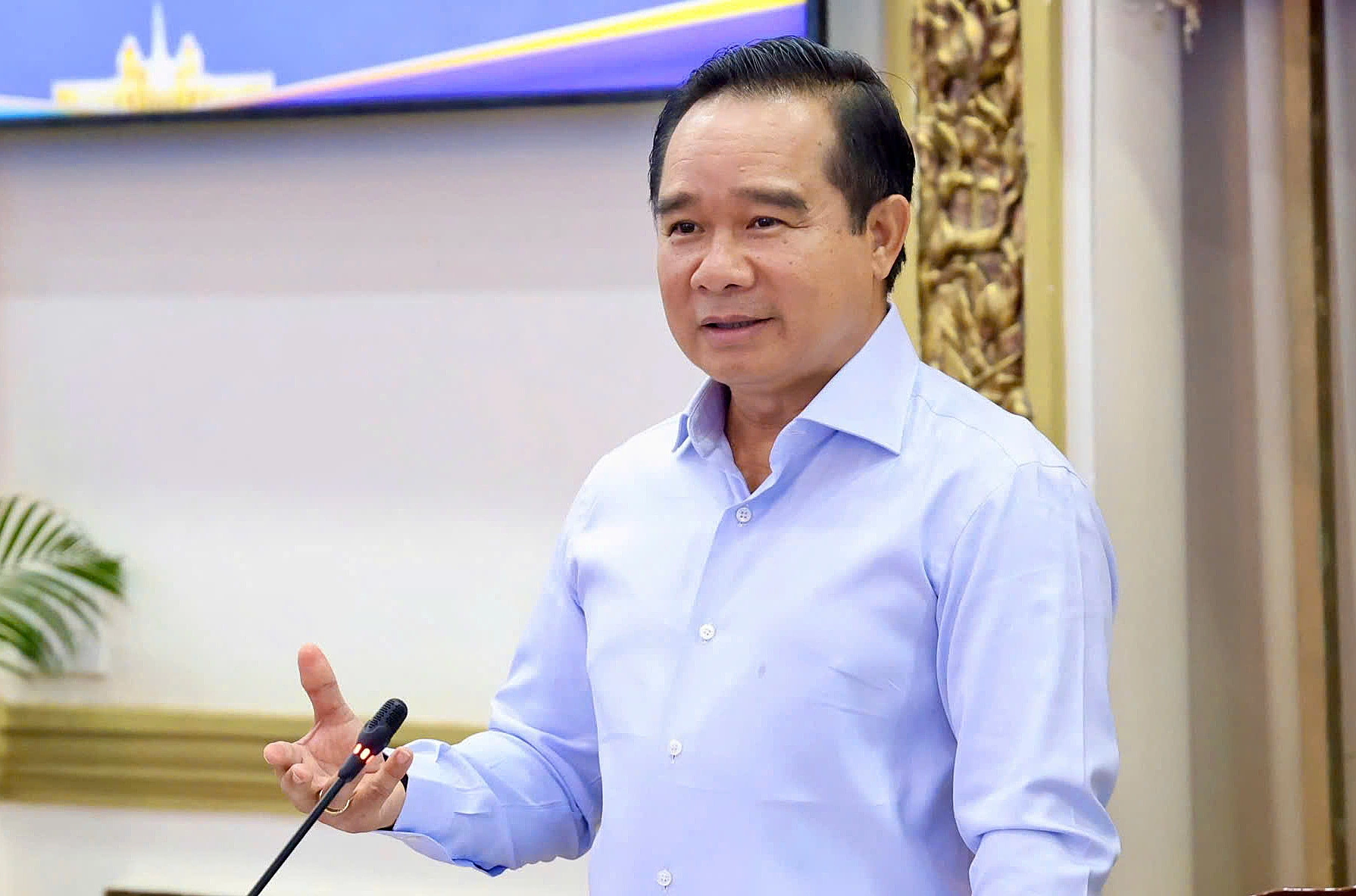 |
Chairman of the Ho Chi Minh City People's Committee Nguyen Van Duoc presided over the workshop to gather feedback on the draft Law on Special Urban Areas, on the morning of 27/5. Photo: An Phuong
According to the Chairman of the Ho Chi Minh City People's Committee, the draft Law on Special Urban Areas inherits mechanisms that have proven effective in the city and the Law on the Capital, while boldly proposing new contents that go beyond existing limits to open development space for Ho Chi Minh City for many decades to come.
He urged the business community to continue providing feedback to establish a superior institutional foundation, creating momentum for double-digit growth and building Ho Chi Minh City into an international mega-city.
From an industrial-urban development perspective, Nguyen The Duy, Deputy General Director of Becamex, argued that the draft law needs to expand the institutional space for state-owned enterprises to lead strategic sectors such as infrastructure, logistics, industrial parks, healthcare, education, and key projects.
"If businesses still have to seek approval for each transaction, each investment, each capital increase plan, it will be difficult to meet the requirements of a mega-city and international competition," Mr. Duy said.
The Becamex representative proposed that Ho Chi Minh City be allowed to apply pilot mechanisms for state-owned enterprises without limiting industries or fields. They also suggested expanding the transit-oriented development (TOD) model not only around metro lines but also along national railway routes to reorganize urban space and create resources for infrastructure development.
This enterprise also recommended allowing the city to recover and convert the functions of old, polluting production facilities or redundant land funds to develop TOD, optimize land value, and create new development opportunities.
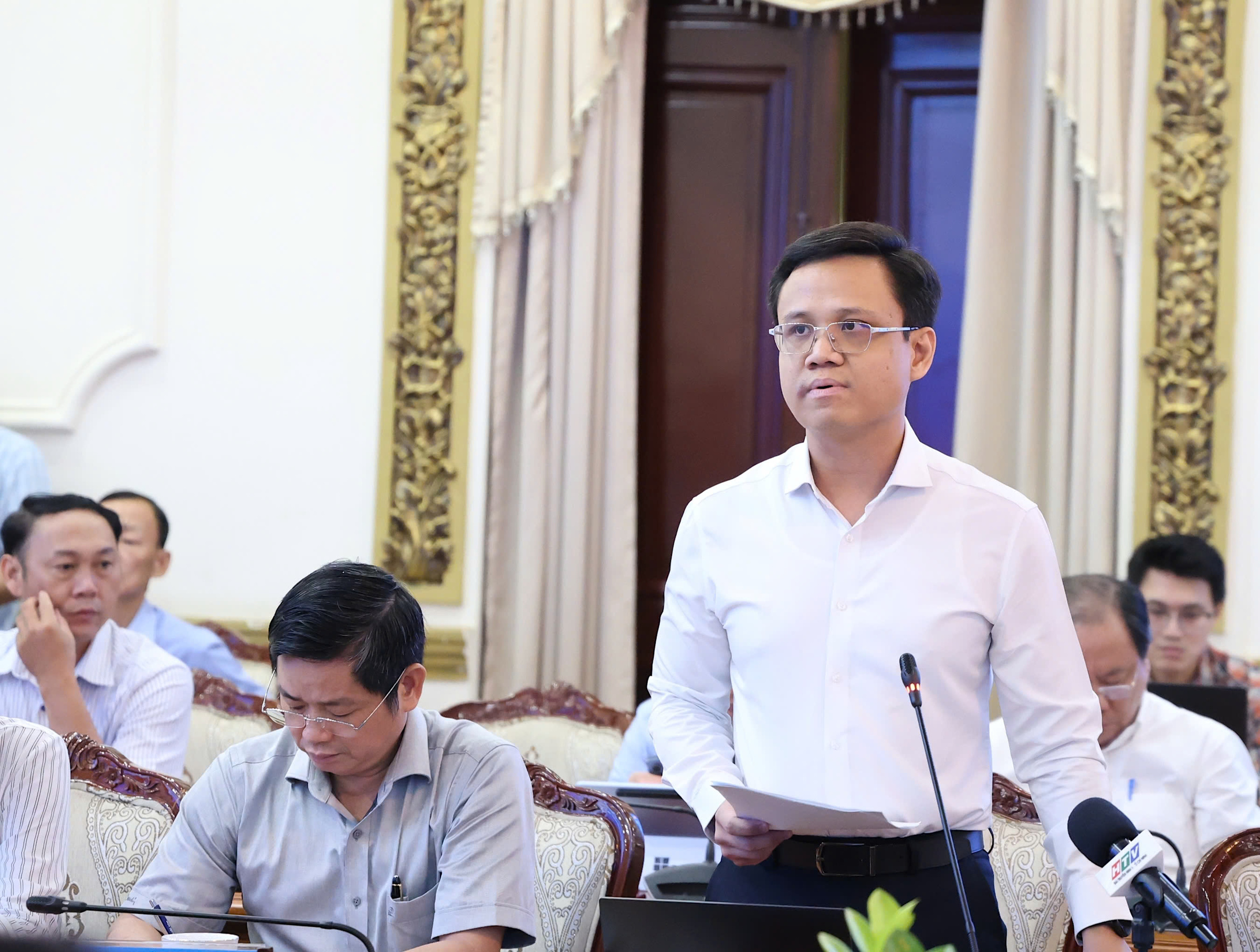 |
Nguyen The Duy, Deputy General Director of Becamex, provided feedback on the draft Law on Special Urban Areas, on the morning of 27/5. Photo: An Phuong
Additionally, Becamex proposed establishing a "Ho Chi Minh City free innovation pilot zone" with special mechanisms, allowing the application of proven new governance models to serve as an "institutional laboratory" before being replicated nationwide.
Meanwhile, Ngo Manh Hung, Director of Viettel Ho Chi Minh City, proposed that the law include an "ordering mechanism" for strategic technology products such as AI, cloud computing, big data, cybersecurity, and urban data platforms.
According to Mr. Hung, urban infrastructure data is a strategic asset, requiring prioritized security and mastery. A clear, stable legal framework would encourage domestic technology enterprises to invest early and partner with Ho Chi Minh City in building a large-scale digital economy and smart city.
Dinh Hong Ky, Chairman of the Ho Chi Minh City Construction and Building Materials Association (Saca), believes the Law on Special Urban Areas needs to move beyond current management limits, shifting from a "process control" mindset to "results-based management."
He stated that the city should be empowered to build a genuine digital administration, a shared data system, and a single-point handling mechanism with accountability tracking based on job resolution timelines.
"The biggest reform is not about cutting a few procedural forms, but about shifting from pre-inspection to post-inspection based on data and compliance levels," Mr. Ky said. He added that compliant businesses should face fewer inspections; existing data should not be requested again; and overdue procedures should have a mechanism for automatic approval or clear accountability explanations.
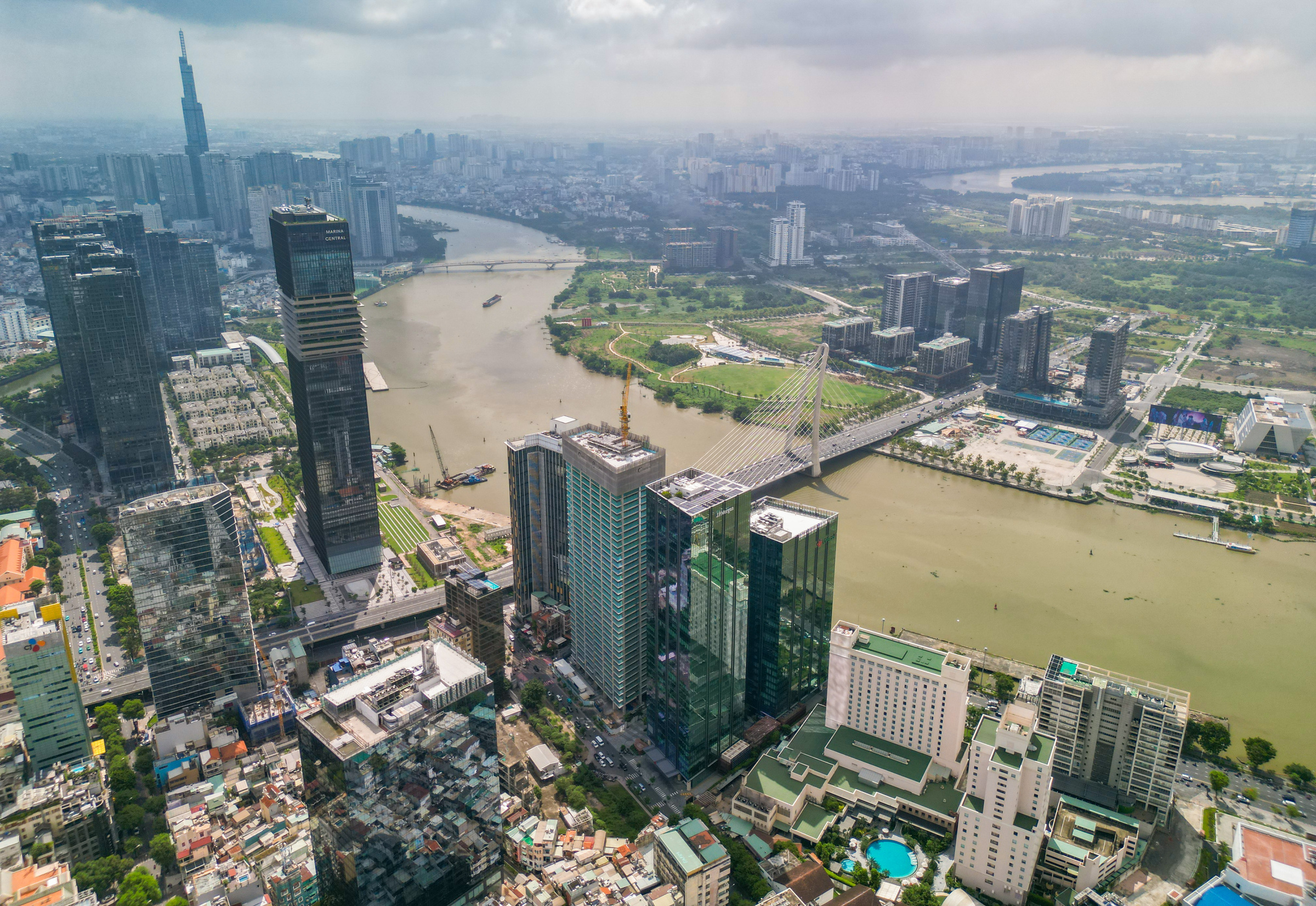 |
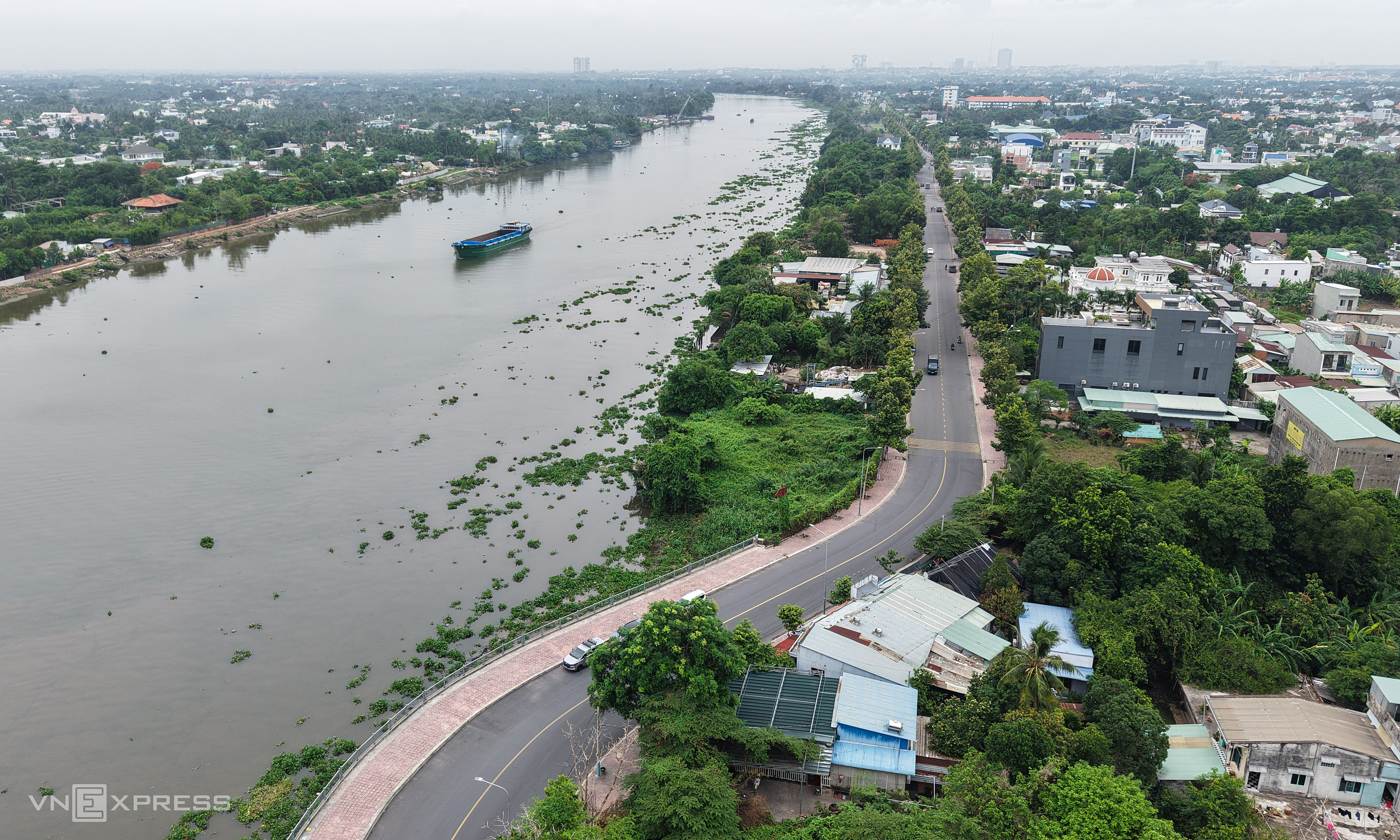
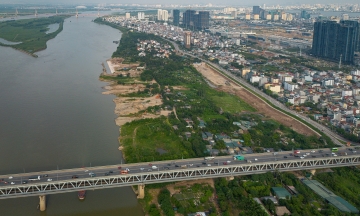
Ho Chi Minh City's central area, along the Saigon River, opposite the new Thu Thiem Urban Area, in 7/2025. Photo: Quynh Tran
Saca's leadership also proposed creating an "institutional sandbox" mechanism for Ho Chi Minh City to test new models that go beyond the current legal framework. These mechanisms could apply in Thu Thiem, Can Gio, or other typical TODs. They also suggested allowing experimentation in new fields such as fintech, digital assets, autonomous vehicles, or paperless logistics.
Mr. Ky further recommended adding a "controlled legal immunity" mechanism and the principle of "failed experiments without criminalization," along with using real-time data and AI to continuously assess policy impacts. He argued that if the law only adds a few preferential mechanisms, Ho Chi Minh City might still grow but would continue on the same old track.
"Conversely, if genuine autonomy and an open enough institutional environment for innovation are created, the city will have the opportunity to move onto a new development track," Mr. Ky said.
The draft Law on Special Urban Areas comprises 9 chapters and 45 articles, focusing on major issues such as the organization of special urban government, socio-economic development, planning, construction, regional linkages, and resource mobilization for development. According to the draft, nearly 300 authorities from the Central Government will be delegated to the Ho Chi Minh City government. The law is also designed to take precedence when conflicting with other laws. The draft law is expected to be submitted to the 16th National Assembly for consideration in late 2026.
Previously, on 24/5, the Politburo issued Resolution 09 on building and developing Ho Chi Minh City in the new era. The resolution sets a goal for Ho Chi Minh City to become a modern urban area, an economic, financial, and service hub of Asia by 2030, completing approximately 200 km of urban railway and serving as the country's growth locomotive. By 2045, the city aims for global urban status, an economic and financial center of Asia.
Le Tuyet