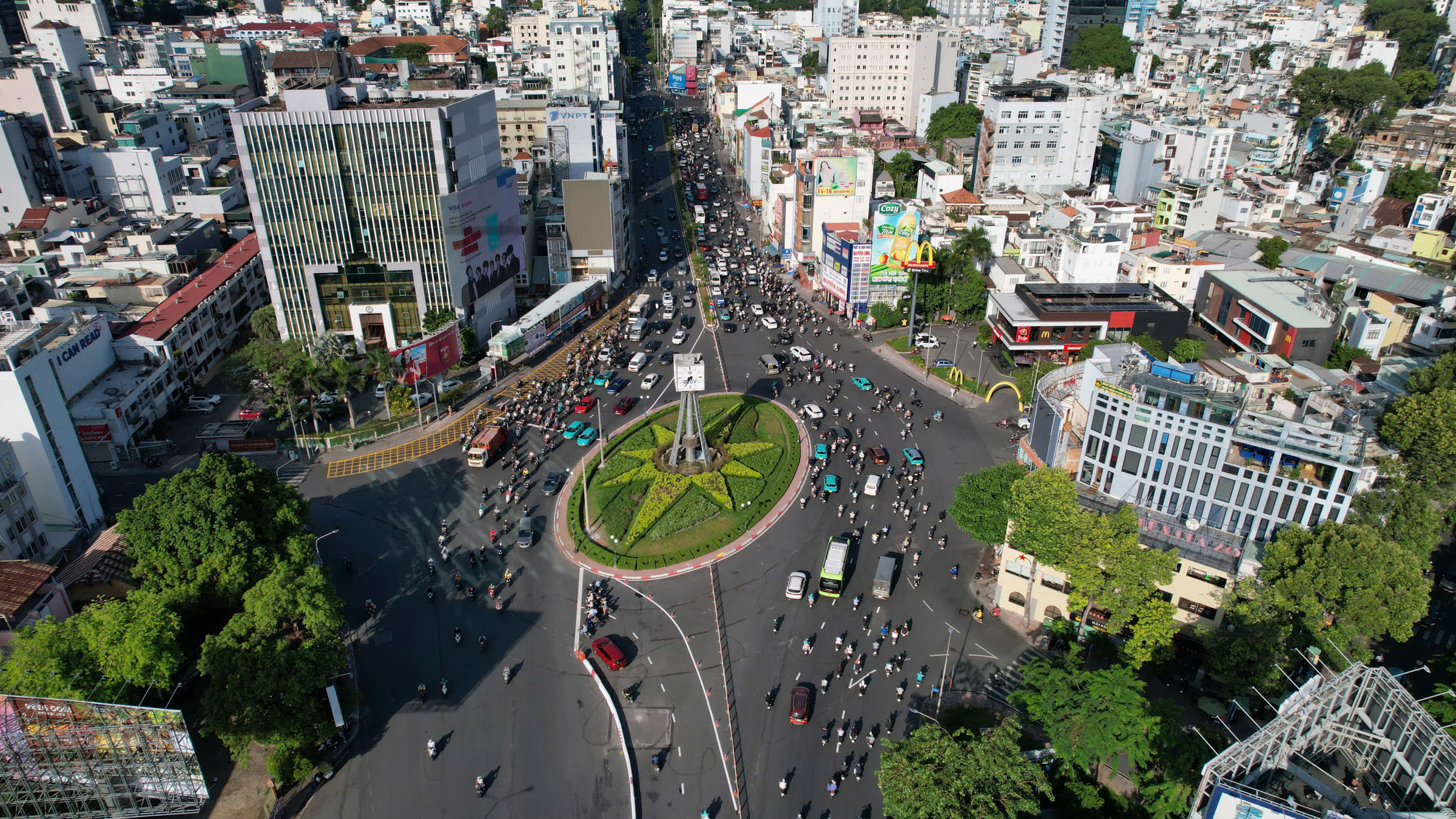
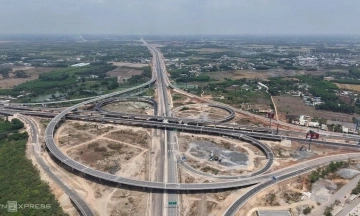
The Ho Chi Minh City Department of Construction outlined this solution in a dispatch sent to the Ministry of Construction and related agencies. Currently, AI technology combined with a digital twin model has been implemented at several key intersections along the Mai Chi Tho - Vo Van Kiet axis, Pham Van Dong Boulevard, and in the Tan Son Nhat area.
Unlike reactive manual control, which only addresses congestion detected by cameras or sensors, the AI system can analyze data and simulate traffic developments in the near future. This allows for early identification of chain congestion risks, enabling management agencies to proactively regulate traffic before situations become severe.
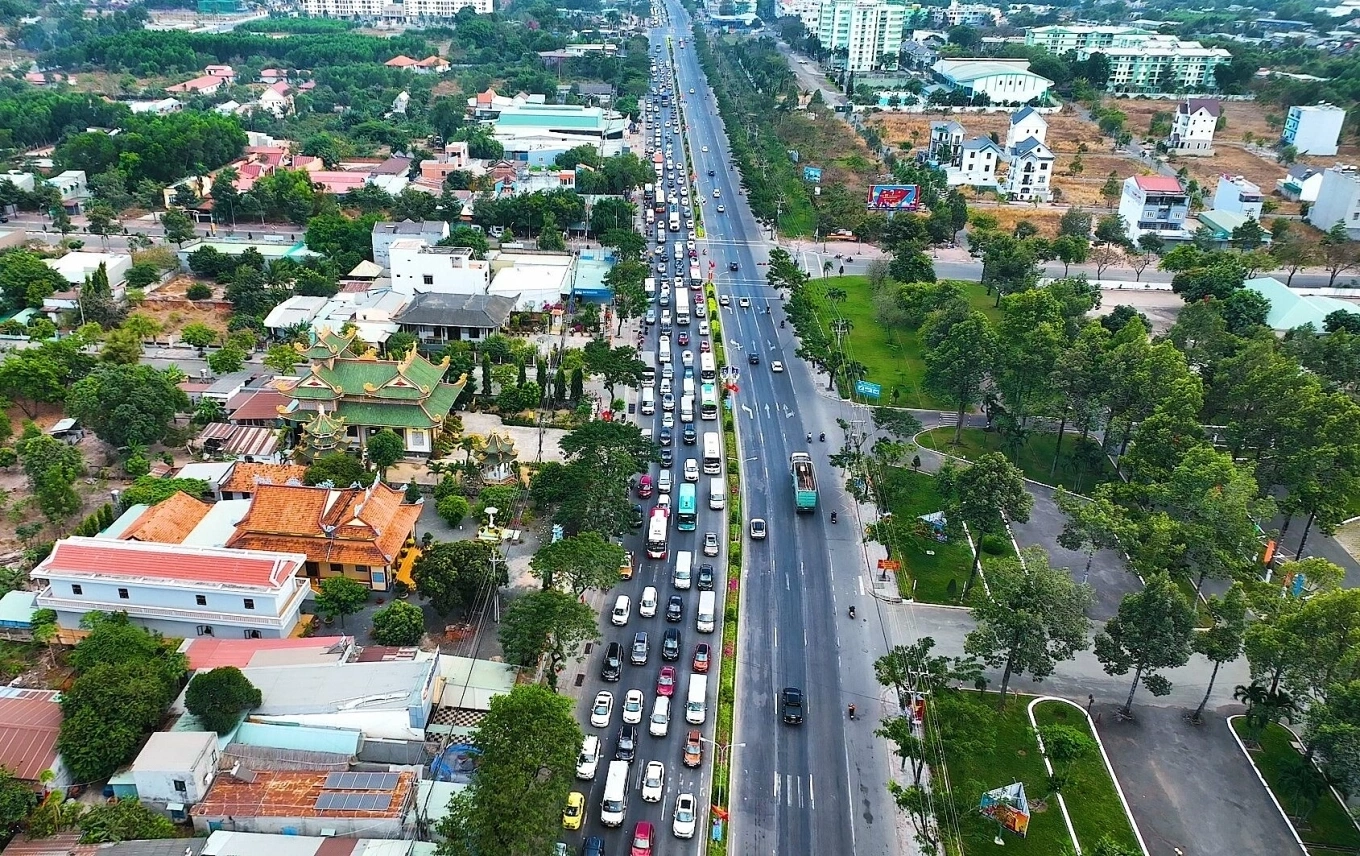 |
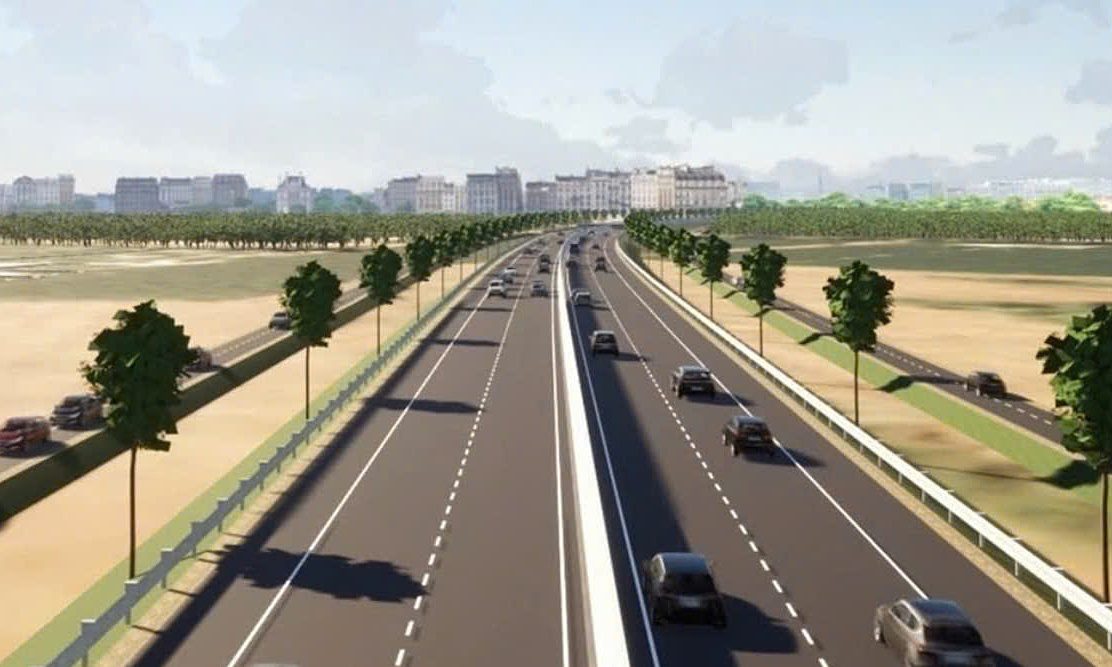
National Highway 51 section passing through Ba Ria - Vung Tau (old). *Photo: Manh Kha* |
According to the plan, Ho Chi Minh City will expand the application to frequently congested routes such as National Highway 13, National Highway 51, and the My Phuoc - Tan Van axis. Specifically, National Highway 51 will have additional cameras installed in april to enhance monitoring and ensure traffic safety.
The city is also continuing to develop a network-based smart traffic control system in the central area, aiming for comprehensive management of major axes including Vo Van Kiet - Mai Chi Tho - Vo Nguyen Giap - Hanoi Highway - National Highway 1 - Pham Van Dong. The deployment scope will extend to other sections of National Highway 1, National Highway 22, and Nguyen Van Linh Boulevard.
In Q2, Ho Chi Minh City plans to replace 200 traffic signal cabinets, connecting them to the Urban Traffic Management and Operation Center. Concurrently, the city will develop a plan to integrate all traffic light systems within Ring Road 2 for centralized control.
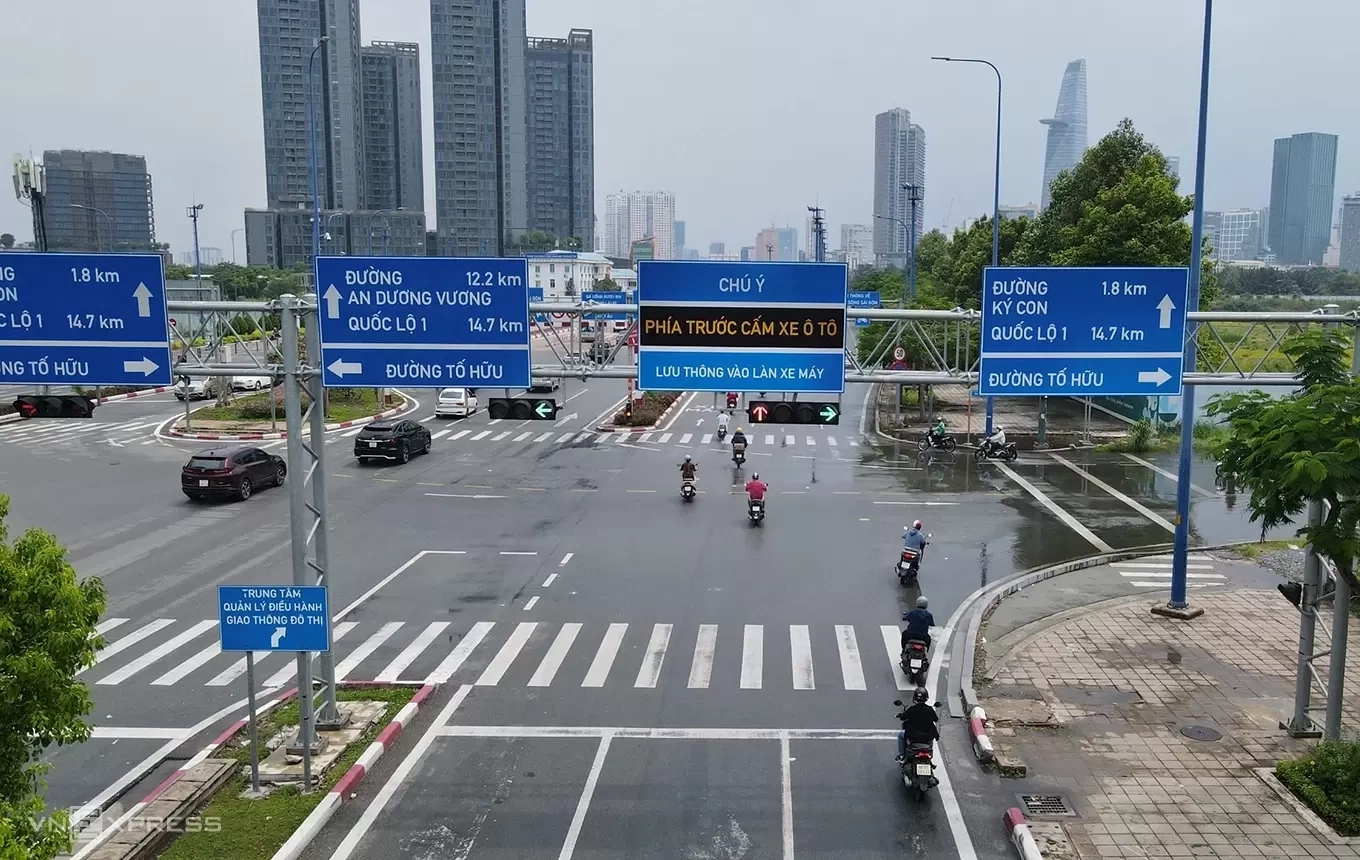 |
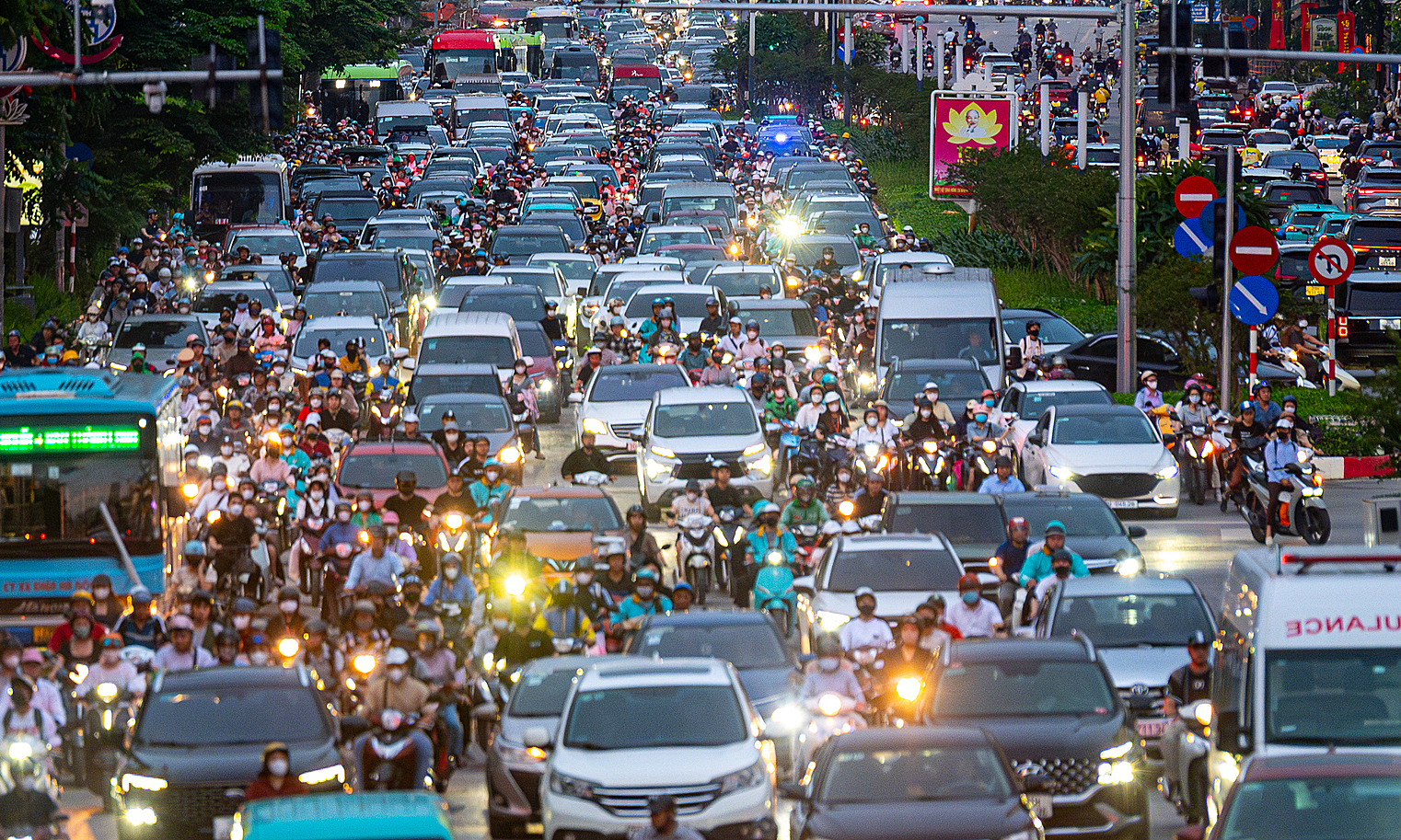
Mai Chi Tho Boulevard - one of the routes where AI traffic control technology is being applied. *Photo: Dinh Van* |
Additionally, the city will install 300 traffic counting cameras and about 200 AI cameras for monitoring. Binh Duong and Ba Ria - Vung Tau (old) areas are expected to add about 120 cameras at key locations. A big data reception and processing system will also be invested in to support operations.
Ho Chi Minh City is one of the leading localities nationwide in applying technology to urban traffic management. Since 2019, the city has operated the Smart Traffic Control Center near the Saigon River Tunnel, which was the first such center in the country.
Giang Anh