Amid rising global aviation fuel prices due to the middle east conflict, many international airlines have increased fuel surcharges to offset operating costs and maintain stable operations.
A quick survey by the Civil Aviation Authority of Vietnam (CAAV) on 20/3 of nearly 40 international and asian regional airlines, many of which fly to Vietnam, revealed that over 60% have implemented or plan to implement increased fuel surcharges or raised ticket prices since mid-march. This trend is widespread across markets such as asia, europe, and north america.
Airlines primarily use two methods: one involves not separating the fuel surcharge but directly adjusting the base fare, with increases typically ranging from 5% to 20% depending on the route and service class, exemplified by Air France, Thai Airways, and United Airlines.
The second method involves airlines applying separate fuel surcharges, added to the basic fare with flexible adjustments based on fuel price fluctuations. For example, Malaysia Airlines, Batik Air, All Nippon Airways, and China Southern Airlines increased surcharges ranging from 130,000 dong to over 10 million dong per ticket, depending on flight distance and service class.
Additionally, Lufthansa and Korean Air also apply fuel surcharges for cargo transport, with increases calculated per kilogram.
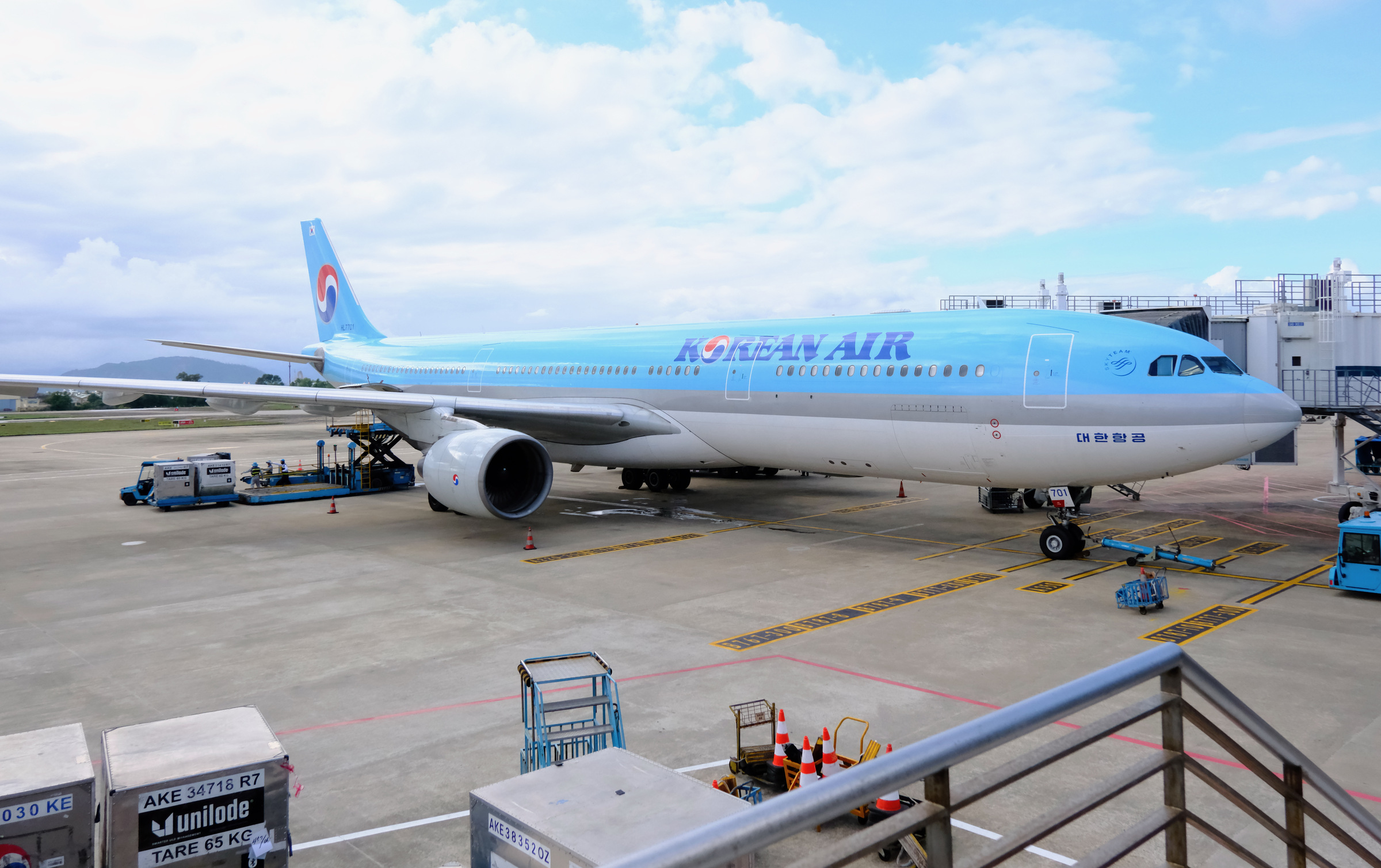 |
An international airline's aircraft parked at Da Nang international airport. Photo: Nguyen Dong |
Regionally, airlines in northeast asia (China, Japan, South Korea, Taiwan) typically show increases from 300,000 dong to nearly 3 million dong per ticket. Southeast asia and south asia have lower increases, ranging from 130,000 dong to about 1,6 million dong per ticket. For long-haul routes to europe and north america, surcharges commonly range from 1-5 million dong, with even higher rates for business class.
Currently, Vietnamese airlines have not announced ticket price adjustments or fuel surcharges. A Vietnam Airlines representative stated that the airline actively manages operations flexibly, closely monitoring market developments and route efficiency; optimizing flight schedules and capacity structures to maintain seat load factors and enhance overall network efficiency.
According to the CAAV, the sharp increase in aviation service prices is primarily due to rising Jet A-1 aviation fuel costs, which at times reached 80% higher than at the beginning of the year. This surge is attributed to concerns over global energy supply disruptions and some refineries reducing capacity or temporarily halting operations for maintenance.
Additionally, flight path adjustments to avoid conflict zones also extend flight times, increasing fuel consumption and adding to cost pressures for airlines. In this context, adjusting fuel surcharges is considered a short-term solution, but it raises air ticket prices and transportation costs.
Recently, the government and relevant ministries have researched and implemented solutions to support the aviation industry. The CAAV has collaborated with airlines to assess impacts, compile feedback, and report to competent authorities to consider appropriate solutions, maintain market stability, and ensure transport connectivity.
On 20/3, Jet A-1 aviation fuel prices in Singapore rose to 227 USD per barrel, three times higher than in early february, driven by escalating geopolitical tensions and limited supply. According to airline reports in early march, rising fuel costs increased Vietnam Airlines' operating expenses by about 50-60%, Sun Phu Quoc Airways' by 30%, and VietJet Air's by an additional 2,000 billion dong each month.
Doan Loan