During a National Assembly discussion on the morning of 21/8 regarding the amended Land Law draft, Representative Nguyen Duy Minh, Deputy Head of the Da Nang delegation, asserted that policy effectiveness cannot solely be measured by the value of compensated assets. It must also consider citizens' ability to restore their lives.
"Two households may receive the same compensation, but their fates can differ significantly. One might find a new home and job nearby, while the other loses their income due to having to move too far away," Minh stated.
According to the representative, the draft law needs to clearly reflect a policy shift from asset compensation to life reconstruction. This ensures that people's living conditions and livelihoods are maintained at or improved from their state before land acquisition.
He proposed that compensation, support, and resettlement plans must genuinely record and consider citizens' aspirations regarding resettlement locations, especially the desire for on-site resettlement. Any allocation must still be based on local planning, available land, housing funds, and actual conditions.
Furthermore, the State's responsibility should not end after compensation payments. It needs to extend until citizens stabilize their new residences and restore or transition their livelihoods.
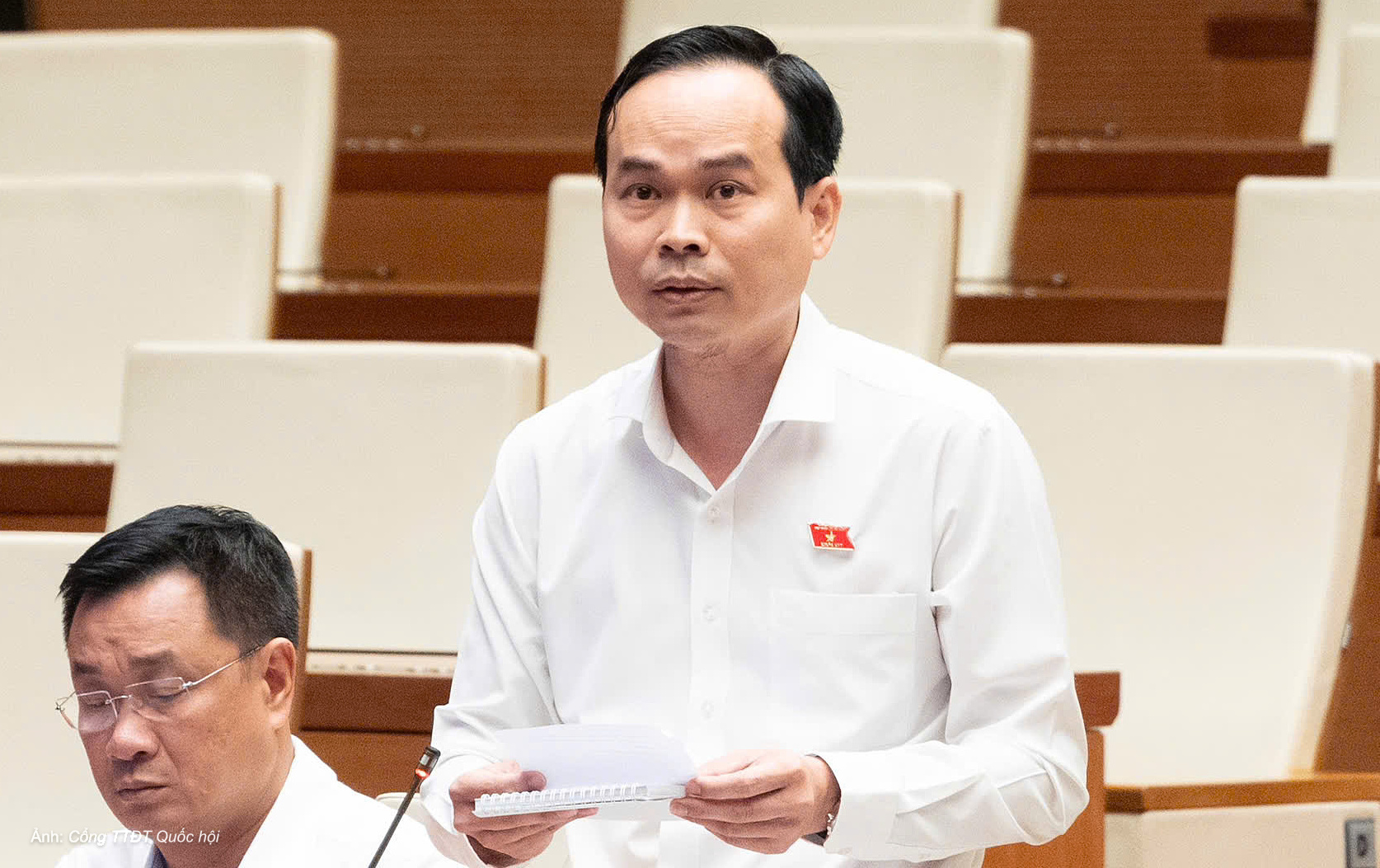 |
Representative Nguyen Duy Minh speaking on 21/8. *Photo: National Assembly E-Portal*
Considering resettlement aspirations, according to the representatives, must occur before land acquisition. Therefore, regulations that permit land acquisition prior to the approval of compensation, support, and resettlement plans in some projects require careful consideration.
Ta Van Ha, Deputy Head of the Committee for Culture and Social Affairs, referenced Central Resolution 18, which mandates that land acquisition should only proceed after compensation, support, and resettlement plans are approved. If resettlement is required, it must be completed before land acquisition. Ha argued that project progress must align with the requirement to stabilize people's lives. Without a confirmed new residence, a family faces a range of disruptions to their children's schooling, employment, income, and care for the elderly, young children, and the sick.
Therefore, a resettlement plan cannot simply calculate monetary compensation. It must answer where people will live, work, and earn income after relocation. The act of leaving long-term homes and abandoning favorable working conditions for public projects requires equivalent housing and livelihood opportunities.
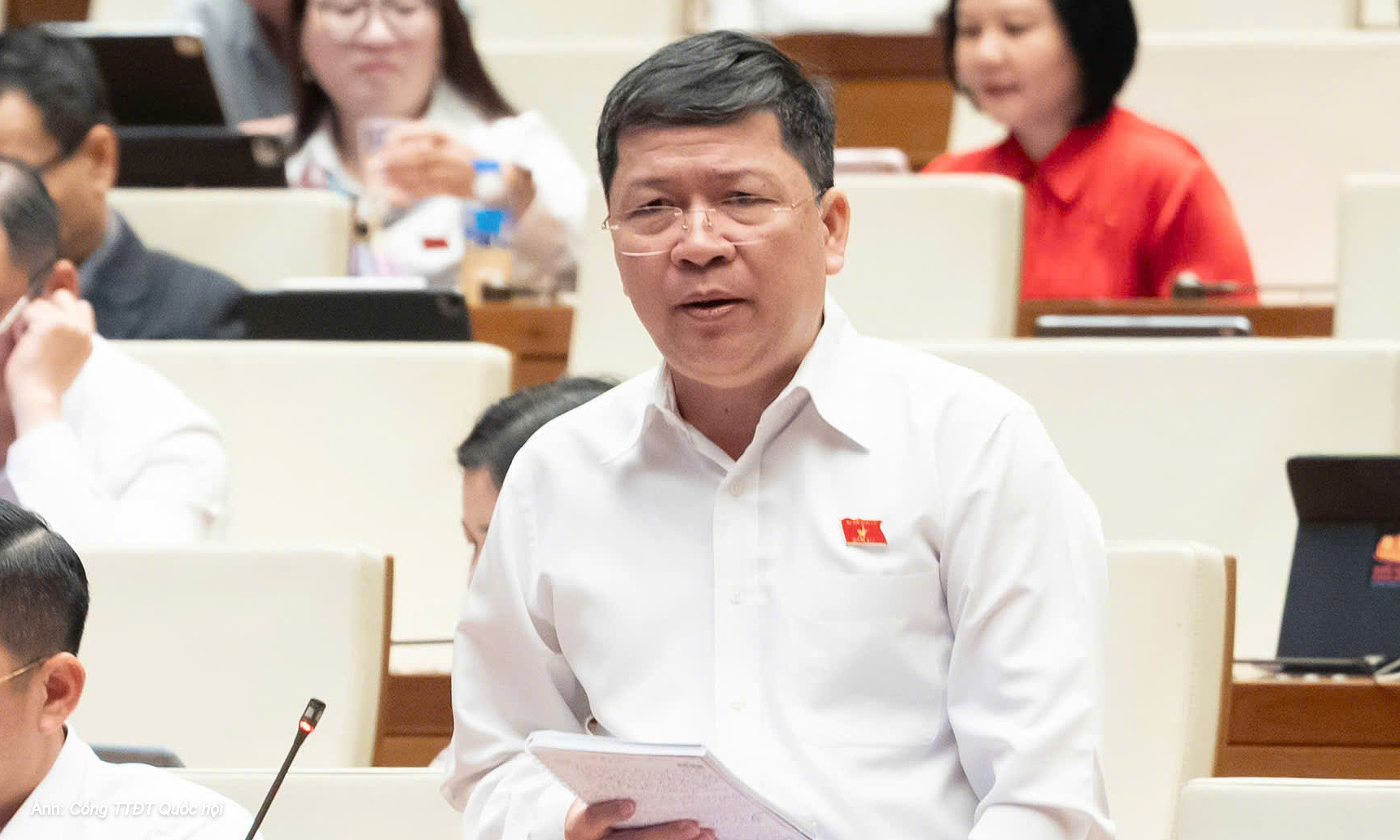 |
Representative Ta Van Ha speaking on 21/8. *Photo: National Assembly E-Portal*
Sharing this view, Nguyen Van Huy, Deputy Head of the Hung Yen delegation, proposed that land should only be acquired once people have secured actual housing, preventing a situation where they lose their old home without having a new one. The draft currently stipulates that displaced persons will be provided temporary accommodation or rental support during the waiting period for resettlement. "This approach only addresses the immediate situation after land acquisition and does not ensure stable housing for people beforehand," he stated.
For production, business, and agricultural land, compensation plans also need to specify how livelihoods will be restored or transitioned. Without clear regulations on the timing and extent of support, the goal of helping people find employment, income, and stable lives and production will be difficult to achieve.
The representatives emphasized that project progress alone cannot be the sole basis for accelerating land acquisition. While acquisition may follow project timelines, it must align with the progress of compensation, support, resettlement, and livelihood assurance.
The National Assembly is expected to continue discussions, then consider and pass the amended Land Law at the October session.
Vu Tuan