On the morning of 10/8, contributing to the draft Law on Grassroots Mediation (amended), Representative Luu Thi Thuy Hang, an official from Lac Hong Theater, Phu Tho delegation, stated that the scope of cases eligible for mediation is not clearly defined.
The draft law prohibits mediation for acts that warrant criminal prosecution or administrative penalties, yet it also stipulates that mediation does not replace these punitive measures. According to Ms. Hang, these two provisions could lead to differing interpretations and applications.
In practice, some serious cases of women and children suffering violence and abuse are still referred for mediation by local authorities, driven by a mentality of "peace at all costs, settling matters internally". This approach allows perpetrators to continue their challenging behavior, prolongs victims' suffering, and delays the application of urgent protective measures.
Ms. Hang proposes that the law clearly stipulate a ban on mediation for cases involving domestic violence, child abuse, and human trafficking. Mediation should not be exploited to delay judicial measures aimed at protecting victims.
 |
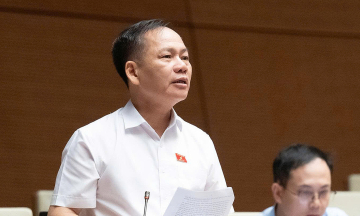
Representative Luu Thi Thuy Hang speaks at the hall on the morning of 10/8. Photo: Hoang Phong |
In response, Minister of Justice Hoang Thanh Tung explained that grassroots mediation aims to resolve conflicts and disputes, and does not apply to acts warranting criminal or administrative processing. The draft sets out general principles, with specific types of violations eligible for mediation to be clarified in a decree.
According to the Minister, actions that show signs of legal violation but are of low severity, lacking sufficient grounds for administrative penalties or prosecution, may still be mediated. This includes certain violations related to domestic violence prevention and control that have not yet caused serious consequences, which are encouraged for mediation to prevent recurrence and mend relationships.
The draft also requires mediators to immediately cease mediation if they discover serious acts that threaten life, health, or involve state secrets. This provision aims to prevent mediation from becoming a substitute for addressing violations through other mandatory measures.
Mr. Tung stated that the drafting agency will consider the representatives' feedback, continue to review the draft, and provide more specific regulations in the guiding documents.
Concerns about online mediation creating conflicts
The draft allows for direct, online, or combined mediation with the participation of all parties. The current law primarily regulates direct, verbal mediation with all parties present.
Representative Huynh Ngoc Liem, Deputy Director of Lam Dong Provincial Police, agrees with the addition of online mediation, as it can help resolve disputes when family members are in different locations and cannot return to the locality together. However, this method carries risks of private information disclosure and could create new conflicts.
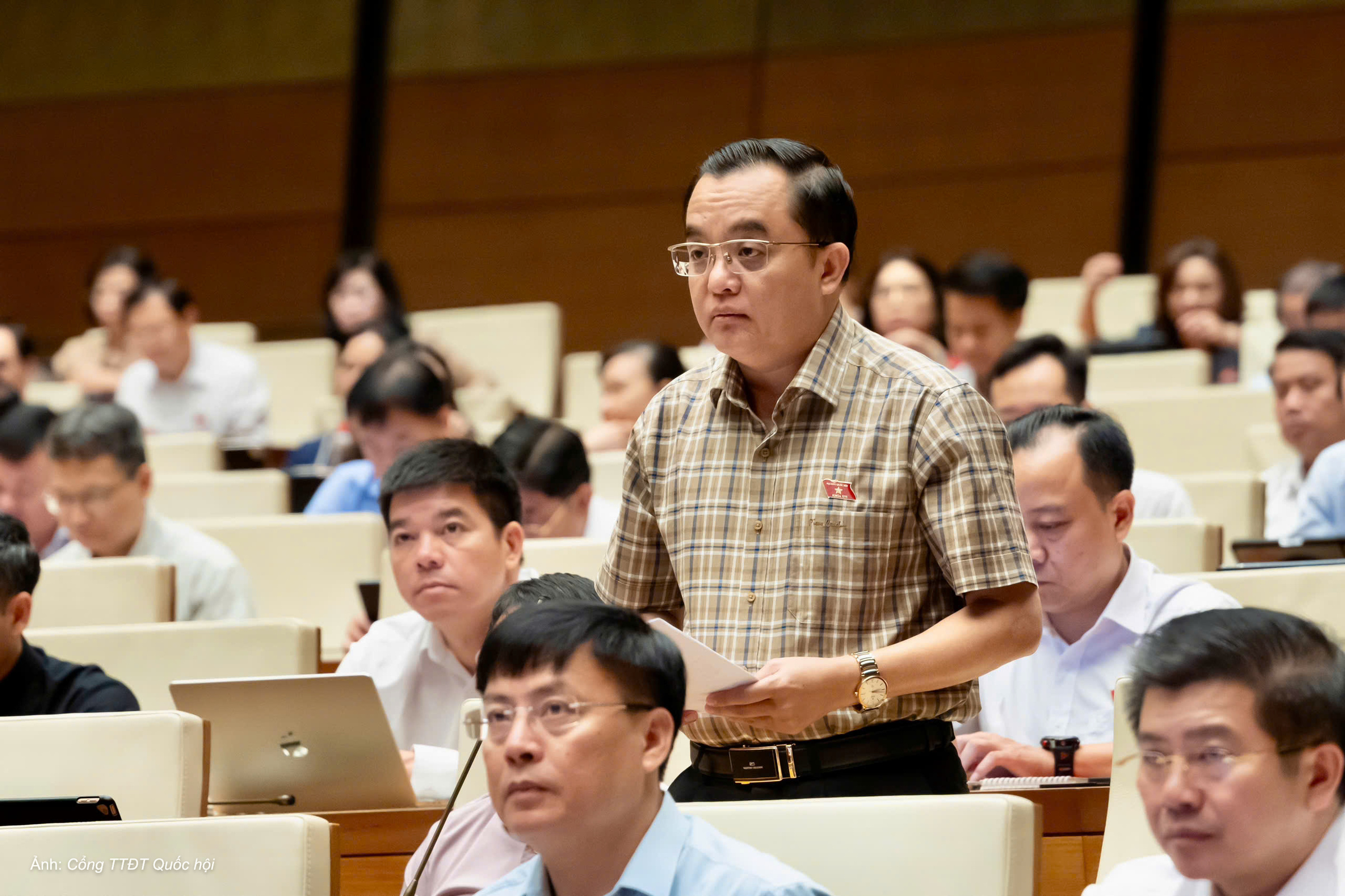 |
Representative Huynh Ngoc Liem, Deputy Director of Lam Dong Provincial Police, speaks at the hall discussion session. Photo: National Assembly Portal |
He cited a scenario where one party secretly records audio or video using another device, then edits and posts it on social media. Images, voices, property information, or the causes of disputes could be stored and disseminated without the participants' knowledge.
"In a meeting at a village or residential group, a mediator can see who is in the room. But in online mediation, it's impossible to know who is behind the screen, who is recording, and where the data will be transferred", he said.
The representative proposed that online mediation should only be conducted with the consent of all parties; participants must be correctly identified and fully aware of who is accessing the content of the discussion.
Recording, filming, copying, storing, or providing the content of a mediation session to others must be agreed upon by all parties, unless otherwise stipulated by law. These activities must also comply with regulations on personal data protection and information security.
The National Assembly is expected to vote on the draft law on 24/8.
Son Ha