Ho Chi Minh City's Department of Natural Resources and Environment has submitted a proposal to the Ho Chi Minh City People's Committee for the implementation of the Resource and Environment Monitoring Program 2026. This initiative comes as the city consistently ranks among areas with high air pollution.
The Department states that the monitoring system will provide continuous, reliable scientific data. This data is crucial for evaluating air quality, assessing the effectiveness of socioeconomic development policies, and enhancing the city's capacity to respond to environmental incidents, especially during peak hours.
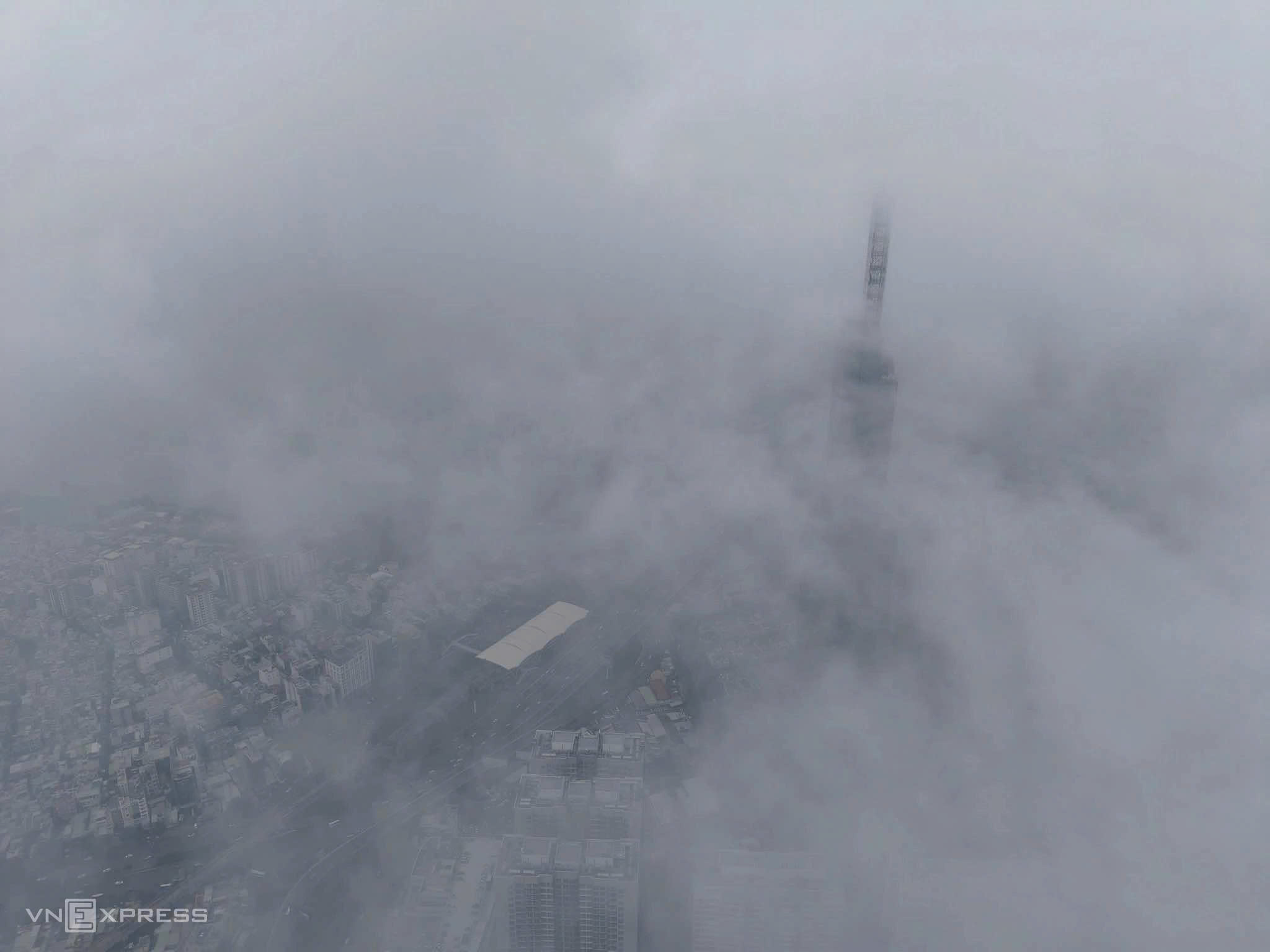 |
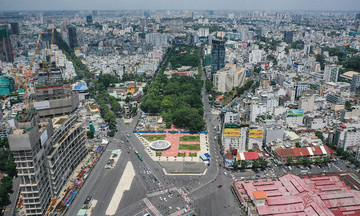
A white haze covers buildings and residential areas, viewed from Landmark 81 towards downtown Ho Chi Minh City late last year. *Thanh Tung*
Following its expansion, Ho Chi Minh City now has approximately 14 million residents and nearly 12.7 million motorbikes and oto. Rapid urbanization and industrialization have placed increasing pressure on the environment.
Monitoring results from the 2021-2025 period reveal that concentrations of PM10, PM2.5 particulate matter, NO2 gas, and noise regularly exceed standards in many central areas, traffic junctions, and industrial or construction zones. Primary emission sources include traffic, manufacturing, construction, daily activities, and contributions from neighboring provinces such as Dong Nai and Long An.
Beyond air quality, the Department of Natural Resources and Environment also proposes installing 254 surface water quality monitoring stations, along with dozens of points to monitor subsidence, seawater quality, aquatic life, and sediment. Organic, nutrient, and microbial pollution remains prevalent in many rivers and canals, particularly in urban and industrial areas that receive large volumes of untreated domestic wastewater.
Furthermore, prolonged groundwater extraction, pollution from landfills and solid waste treatment facilities, and the use of pesticides in agriculture are causing declining groundwater levels, subsidence, and ground deformation.
In line with Prime Minister's Directive 20, Ho Chi Minh City must review and refine its institutional framework, addressing "bottlenecks" in environmental management and focusing on critical pollution issues. The city is concurrently implementing projects to control traffic emissions, foster a green transition, and establish low-emission zones.
Le Tuyet