During a group discussion on the morning of 6/8 regarding the investment policy for ring road 5 in the capital region, delegates focused on the mechanism for one-time land acquisition and allowing localities to retain revenue from land funds along the route for reinvestment.
Delegate Nguyen Thi Lan, director of the Vietnam National University of Agriculture, stated that the draft resolution extensively discusses land value exploitation but does not clarify how to manage the increased value.
She analyzed that agricultural land currently has low value but could increase many times after the state builds the ring road, interchanges, and connecting infrastructure. This difference, often called increased land rent, is primarily generated by public investment, not directly by land users.
According to Lan, the draft needs to clearly define the principles for revenue sharing, exploitation methods, and measures to control speculation. Management must be implemented throughout, from planning and information disclosure to resource exploitation and allocation for the common good.
"If not handled carefully, it will lead to land speculation after the route is implemented", she warned.
 |
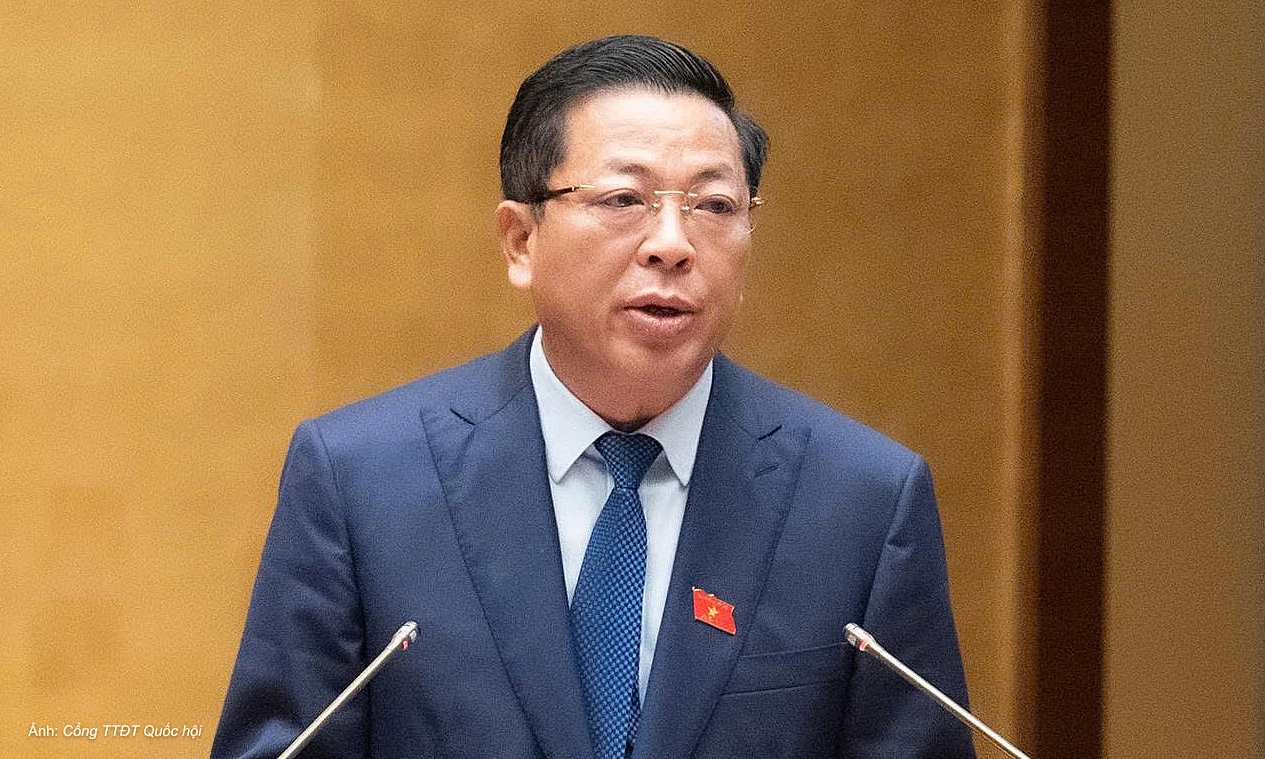
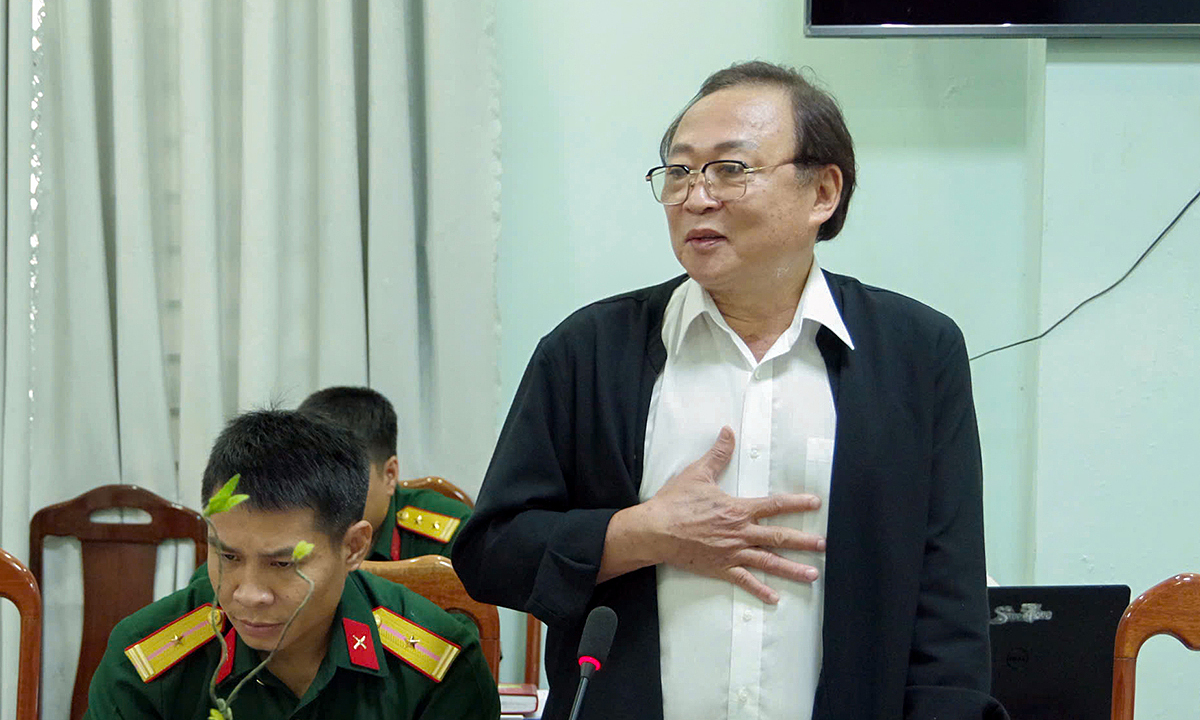
Delegate Nguyen Thi Lan, director of the Vietnam National University of Agriculture, participates in a group discussion. *Photo: Ngoc Thanh*
Delegate Do Duc Hong Ha, vice chairman of the Committee for Science, Technology and Environment, assessed that the mechanism for one-time land acquisition and retaining revenue from land funds along the route is already established in the Road Law and the Capital Law.
According to him, compensating, supporting, and resettling the entire route from the outset, according to the planning scale, will limit delays and cost overruns caused by prolonged site clearance, which is a bottleneck for many large infrastructure projects.
Allowing localities to retain a portion of the revenue from land funds along the route also helps exploit the increased value generated by infrastructure, supplementing capital for the project with a total investment exceeding 288 trillion VND. "This is an 'infrastructure feeds infrastructure' approach, helping reduce budget pressure", Ha said.
Citing Hong Kong's (China) experience, Lan noted that increased land value around stations is reinvested into transportation and urban development, creating a cyclical flow of resources. Vietnam could learn from this approach, where a portion of the land value generated by infrastructure is reinvested into infrastructure and fairly allocated among benefiting localities.
She also proposed developing an economic corridor along the route, linking the ring road construction with land use planning and economic space on both sides of the road. The route would serve both traffic flow and open up new space for urban areas, industrial parks, and new economic activities.
Ha assessed that ring road 5 plays a role in completing the inter-provincial transportation network in the capital region, promoting satellite cities, industrial parks, and regional connectivity. He proposed continuing to review the legal basis to ensure the draft resolution aligns with current laws.
The National Assembly is expected to consider and approve the resolution on the project's investment policy on 24/8.
Son Ha