The Lai Chau provincial People's Committee announced that the Bao Ha - Lai Chau expressway project is designated a national key infrastructure project, crucial for fostering regional connectivity and socio-economic development. The 163 km route will traverse Lao Cai and Lai Chau provinces.
To accelerate procedures and commence construction, the Lai Chau provincial People's Committee has petitioned the government and the Ministry of Finance to allocate central budget funds for investment preparation in 2026. According to the province, local budget funds have been fully allocated to other projects, leaving no room for this initiative. Therefore, they propose that the central government provide 100 billion VND for the preparatory phase.
The Lai Chau provincial People's Committee pledges to collaborate with the Ministry of Construction and Lao Cai province to promptly complete all documentation and procedures, submitting the project for review and approval by competent authorities.
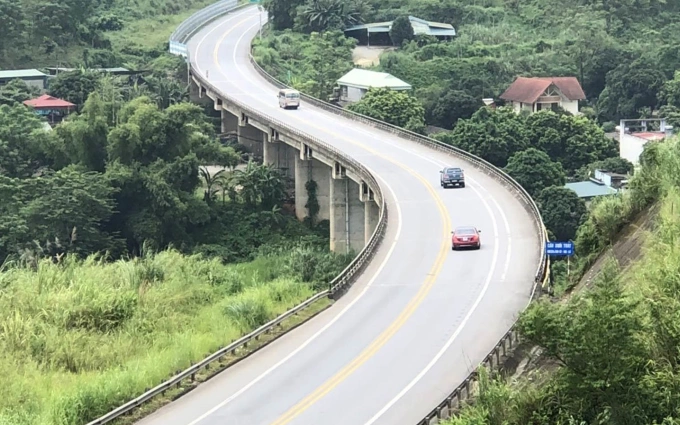 |
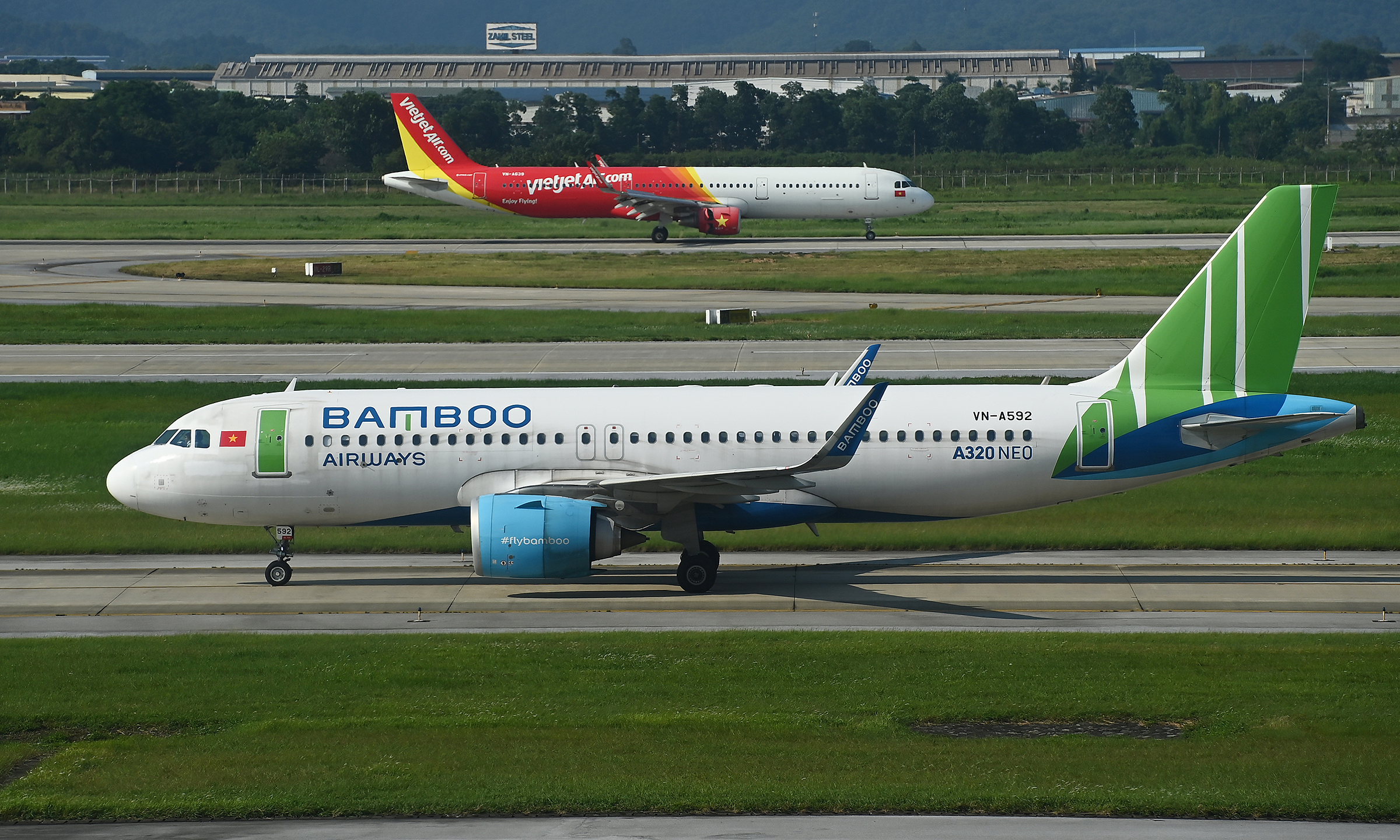
The Bao Ha – Lai Chau expressway will connect with the current Noi Bai - Lao Cai expressway. *Photo: Phuong Linh*
The proposed route for the expressway begins at IC16 interchange on the Noi Bai - Lao Cai expressway and concludes at the Ma Lu Thang border gate. The section through Lao Cai province spans approximately 50 km, passing through Bao Ha, Van Ban, Vo Lao, Nam Chay, and Nam Xe. The 113 km section through Lai Chau province will traverse Muong Than, Pac Ta, Tan Uyen, Muong Khoa, Ban Bo, Binh Lu, Khun Ha, Tan Phong ward, Sin Suoi Ho, Khong Lao, and Phong Tho.
Lai Chau is a mountainous border province in Vietnam's Northwest region, covering over 9,068 km2 with a population of approximately 497,000 people from 20 ethnic groups. The province shares more than 265 km of border with Yunnan, Trung Quoc, and hosts the Ma Lu Thang international border gate, holding a significant position in national defense and security.
Despite its strategic importance, Lai Chau's rugged terrain, characterized by high mountains and steep slopes, severely limits its road transport system. Even national highways fall short in technical standards and connectivity, hindering travel, trade, investment attraction, and tourism development.
Anh Duy