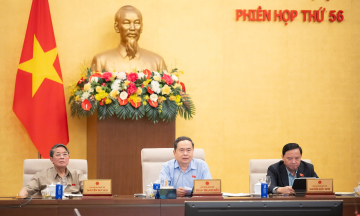
Speaking at the Standing Committee of the National Assembly session on the morning of 2/4, National Assembly Chairman Tran Thanh Man emphasized the need to promptly implement a specialized oversight topic on food safety, rather than postponing it to a later stage as initially planned. He called for a focus on the actual situation in 2026, particularly in school kitchens, where many concerning issues are emerging.
Chairman Man stated that instead of reviewing past data from the 2021-2025 period, oversight activities should closely monitor new developments, timely reflecting current realities to provide specific recommendations for governance. He also requested an innovative approach that is streamlined, practical, and provides a sufficient basis for immediate synthesis and reporting.
Previously, Le Thi Nga, Permanent Vice Chairwoman of the Committee for People's Aspirations and Supervision, presented the proposed oversight program for 2027, which included a specialized topic on food safety for the 2021-2026 period, to be advised by the Committee on Science, Technology and Environment.
The proposed program also outlined supreme oversight of the implementation of policies and laws on administrative procedure reform for the 2021-2026 period. The Committee for Deputy Affairs is to oversee the activities of provincial and city People's Councils from the beginning of the 2026-2031 term until June 2027.
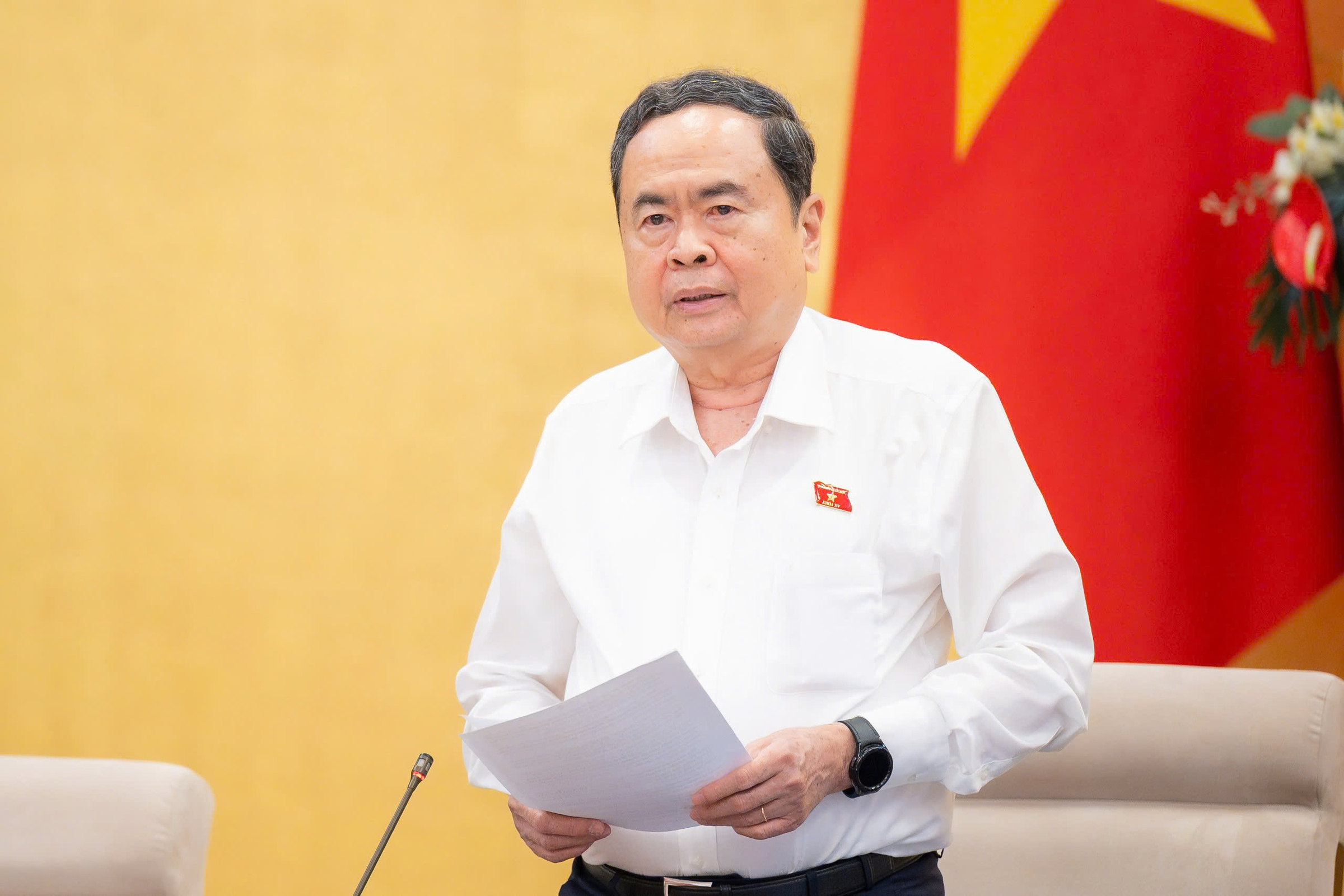 |
National Assembly Chairman Tran Thanh Man. Photo: Hoang Phong
Nguyen Thanh Hai, Chairman of the Committee on Science, Technology and Environment, stated that the Law on Food Hygiene and Safety will be amended and submitted to the National Assembly in October. The committee will combine oversight with the verification process in 2026 to ensure comprehensive and accurate reporting.
Earlier, on 17/3, the Economic Police Department of Hanoi City Police inspected a slaughterhouse in Van Phuc commune. They discovered the owner, Nguyen Thi Hien, slaughtering pigs infected with african swine fever and colluding with quarantine officials to bypass control procedures. Investigators determined that from early 2026 until now, this group had distributed approximately 3,600 diseased pigs, equivalent to nearly 300 tons of meat, through wholesale markets, local markets, and supplied it to a food company for distribution to schools.
Currently, food safety management is assigned to different stages of the supply chain. The Ministry of Agriculture and Environment is responsible for animal husbandry, slaughtering, quarantine, and product origin. The Ministry of Health manages food circulation, processing, and collective kitchens. The Ministry of Industry and Trade oversees the circulation and distribution of goods.
Son Ha