


According to the process of the Catholic Church, a beatification dossier must undergo multiple rigorous review stages. After completion at the diocesan level, the dossier is transferred to the Dicastery in Vatican City for further examination.
Here, investigators, theological experts, and historians re-evaluate all evidence before presenting it to a council of cardinals and archbishops for a vote. A member is assigned to present the dossier, accompanied by an independent oversight mechanism to ensure objectivity. If discrepancies or signs of fabrication are found, the process can be delayed, extended, or even canceled.
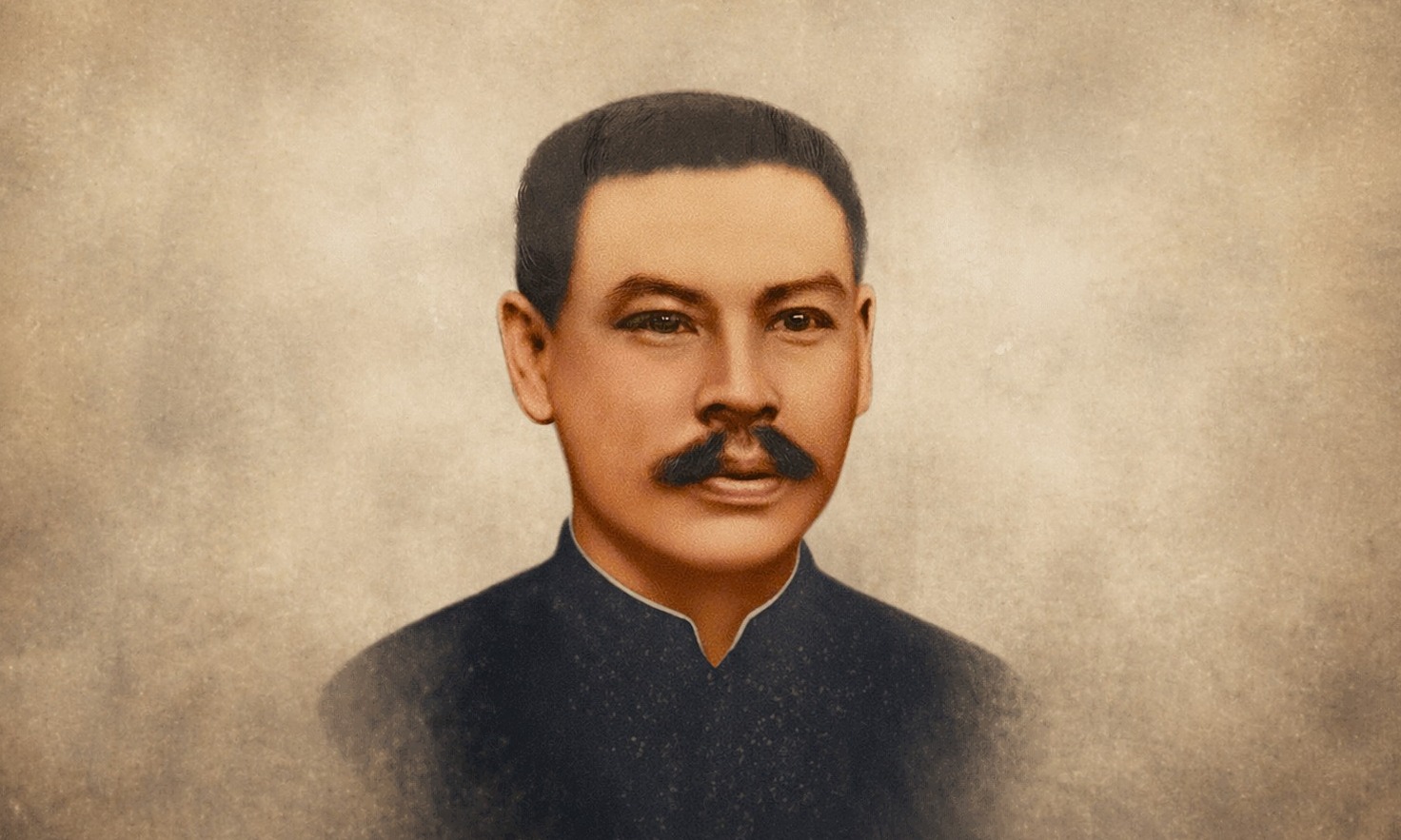 |
Father Truong Buu Diep. Photo: Tac Say Church archives |
After passing the voting stage, the dossier is submitted to the Pope, who makes the final decision based on the Dicastery's report. Notably, the entire review process at Vatican City has no specific time limit, making it impossible for dioceses to predict when a decision will be reached.
Father Carolo Ho Bac Xai, former vicar general of Can Tho Diocese and administrator of Tac Say parish where Father Phanxico Xavie Truong Buu Diep served, stated that the strict review prolonged the process for over a decade.
"During the seven years awaiting a response from the Holy See, we were very anxious, unsure how the dossier would be evaluated", he said, adding that joy erupted upon receiving news of Father Truong Buu Diep's recognition as a martyr.
The dossier preparation process began on 15/8/2011, stemming from the enduring devotion of the faithful. For many decades, the site where his remains were reinterred at Tac Say Church in Ca Mau has become a familiar pilgrimage destination for thousands of local and international believers.
To facilitate this, the Can Tho Diocese established a Canonization Committee of about 10 members, including a postulator, a historical commission, a notary team, and two canon law specialists from Canada for support. The committee's task was to collect, verify, and systematize all documents related to the life and death of the priest who once administered Tac Say parish.
The investigation focused on three core criteria: whether he truly sacrificed his life for his faith; whether his death was recognized as martyrdom; and whether the devotion of the faithful was genuine and enduring. These are mandatory conditions in the Catholic Church's beatification process.
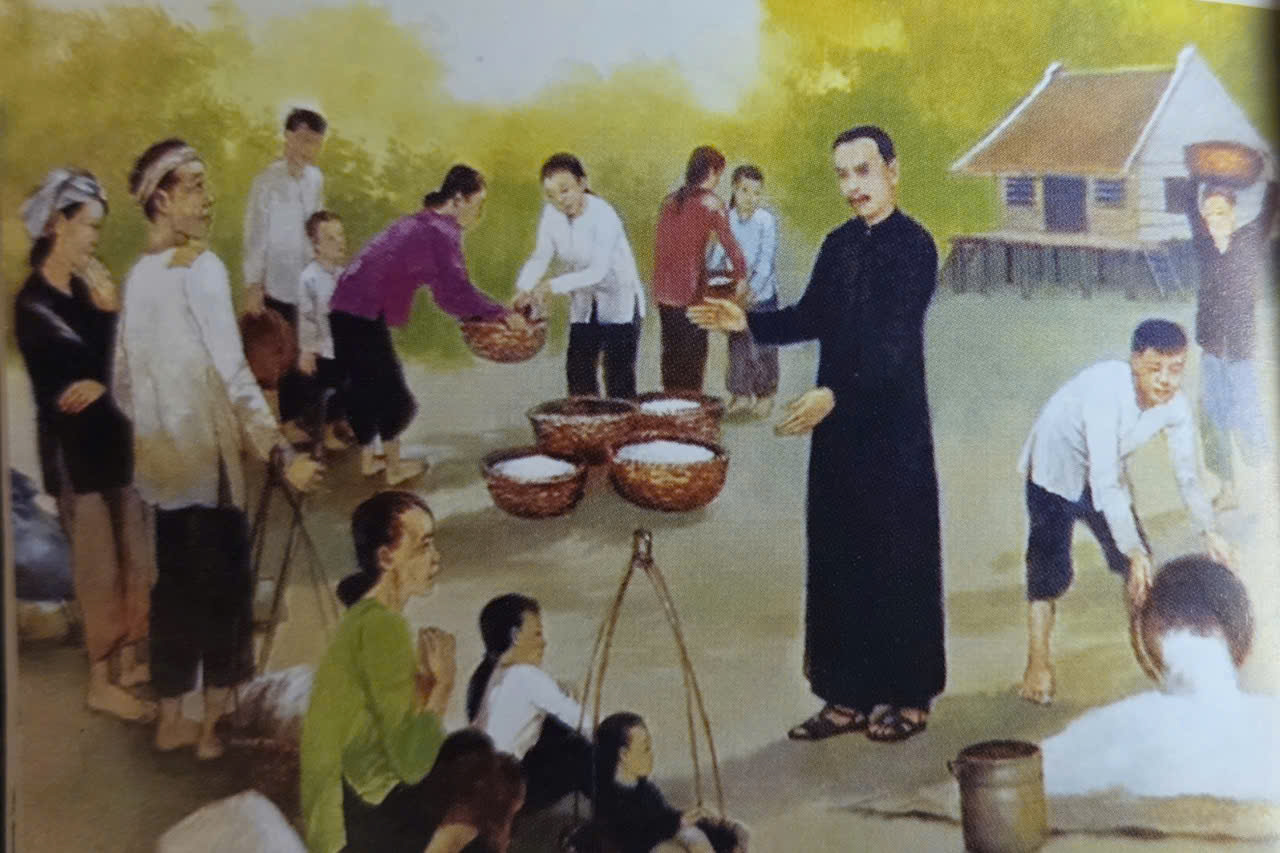 |
Father Truong Buu Diep with parishioners when he administered Tac Say parish. Photo: Tac Say Church archives |
The process of collecting documents faced many challenges. Due to war, many domestic papers and records related to Father Diep were lost or incomplete. To overcome this, over six years, the historical commission searched in numerous locations both domestically and abroad, from Con Phuoc in An Giang, his birthplace, to Nam Vang (Phnom Penh) in Cambodia, where he studied, and then to Ho Tru and Tac Say parishes, where he served.
Simultaneously, committee members consulted the archives of the Paris Foreign Missions Society in France to find his writings and historical records.
In parallel with documentary evidence, witness verification was also meticulously carried out. The Canonization Committee interviewed 23 people, including both Catholic and non-Catholic individuals; of these, 13 were direct witnesses, and 10 recounted information from original witnesses. All had to swear an oath of truthfulness before providing their testimonies.
The most crucial witnesses were two women over 80 years old – one living in the United States, and one in Cai Rang, Can Tho – who had been arrested alongside Father Diep. Their accounts helped clarify the events leading up to his murder by Japanese remnants in March 1946.
From the collected testimonies and documents, the diocese cross-referenced and authenticated various sources. "The evidence, when pieced together, shows that Father Diep protected his parishioners, was arrested, and died in their stead", said Father Petro Vu Van Hai, vicar general of Can Tho Diocese.
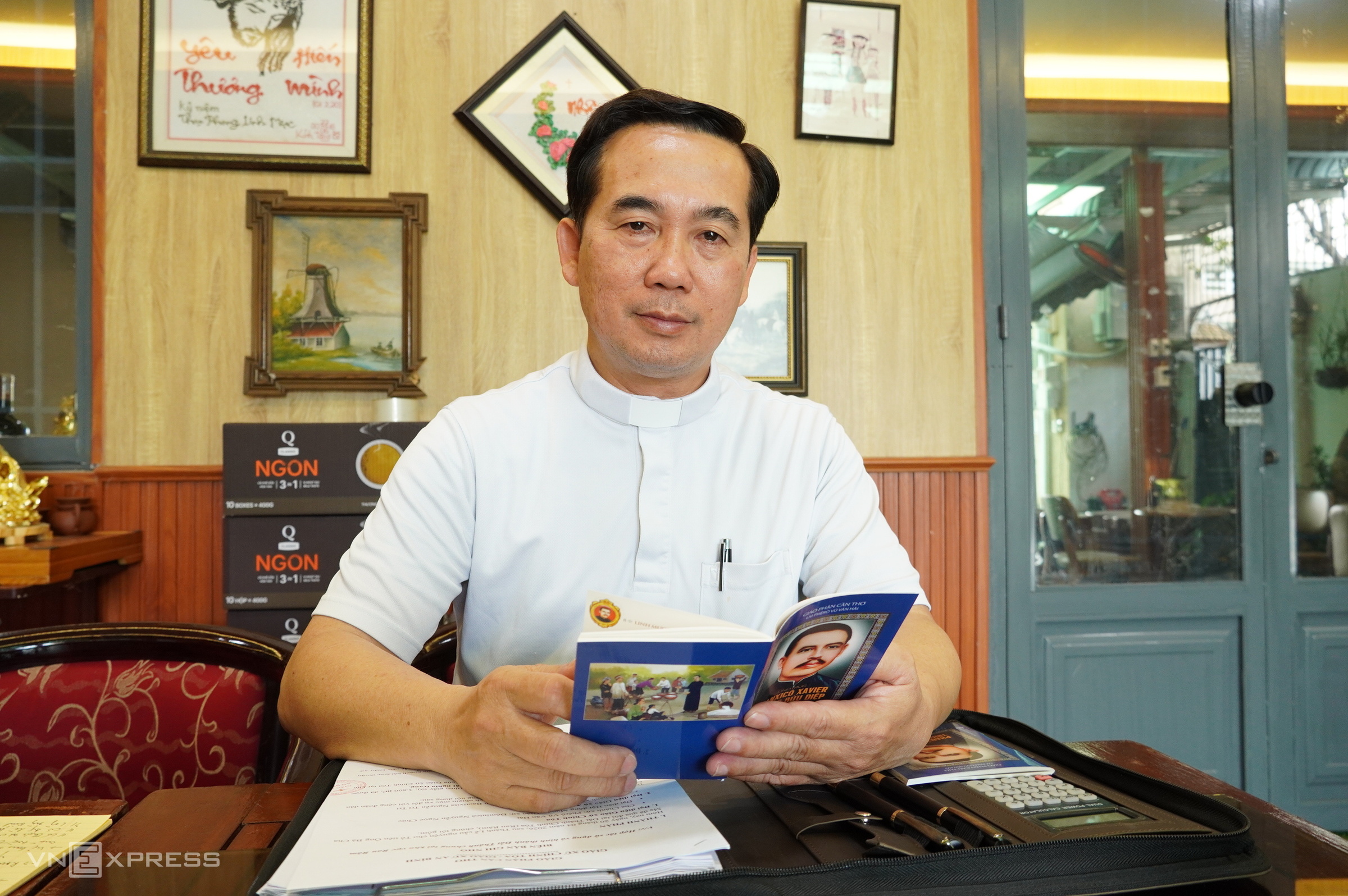 |
Father Petro Vu Van Hai, vicar general of Can Tho Diocese. Photo: Chuc Ly |
The diocesan investigation phase concluded on 21/1/2017. The dossier, tens of thousands of pages thick, was then transferred to Vatican City for continued review. Seven years later, the decree recognizing his martyrdom was issued, initiating the beatification process.
Father Truong Buu Diep was born on 1/1/1897 in Con Phuoc parish, now part of An Giang. He spent 27 years studying at Cu Lao Gieng Minor Seminary and Nam Vang Major Seminary before being ordained a priest. In 1930, he became the administrator of Tac Say parish, within Can Tho Diocese.
During his pastoral ministry, he was known for his simple life and dedicated care for his parishioners, with a special concern for the poor. In March 1946, he was murdered while defending his parishioners amid wartime conflict. Subsequently, many people revered him as a witness to faith.
In the Catholic Church, "Blessed" is a title given to a deceased person recognized for living a holy life and being able to intercede. This is the third stage in the canonization process, following "Servant of God" and "Venerable", before being declared a Saint.
The beatification ceremony for Father Truong Buu Diep is scheduled for 2/7 at the Tac Say Pilgrimage Center in Ca Mau. Cardinal Luis Antonio G. Tagle will preside, with over 50,000 faithful expected to attend.
According to the Bishop's Conference of Vietnam, the country has 117 martyrs who have been beatified and canonized, primarily bishops, priests, laypeople, and foreign missionaries from 1644-1883. The first martyr, catechist Andre Phu Yen, was beatified in 2000.
Chuc Ly - Dinh Van


